Make Your Brand Stand Out with Lasting Impact


Labbrand is a world-renowned brand naming agency that offers a comprehensive range of verbal services to help clients maximize their brand impact. Our team of experts provides a complete suite of naming services, catering to clients across various industries, such as FMCG, Luxury, Tech, Automobile, Pharmaceutical, Real Estate, Beauty, and more.
At Labbrand, we specialize in naming with particular expertise in Alphabetic Brand Naming, Chinese Naming and Advanced Verbal Solutions. We understand the importance of creating a name that is not only aligned with your brand positioning but also resonates with your target audience and can be trademarked. With our extensive knowledge and experience, we are equipped to develop optimal names that help businesses achieve their goals and stand out in the market.
Naming Projects
Industries In B2B and B2C Sectors
Your brand name is more than just a label. It's the embodiment of your brand's culture, values, personality and vision; it is crucial for your brand's success.
At Labbrand, we understand the significance of a good brand name. We specialize in crafting memorable, registrable and ownable brand names that engage your target audience, increase searchability, secure brand equity, and accelerate growth. Trust us to deliver a brand name that truly reflects the essence of your brand and drives your business forward.
We offer comprehensive verbal services for brands to achieve the most optimal and attractive solutions for effective brand impact. We guarantee the name is safe to use, registrable and ownable.
Whether you're in the process of establishing a new company or brand, launching new products or services or enterprise transformation or M&A, etc., we provide customized multilingual solutions to achieve your branding objectives.
Our expert team possesses a profound understanding of the Chinese language and culture, allowing us to offer a wide range of Chinese naming services that reflect your brand's values and resonate with your target audience.
With our expert team and signature naming methodology, we design the tailored solutions to meet your specific needs and help make well-informed naming decisions.
As part of the comprehensive suite of naming services, we provide continuous naming management during and after the creation process. They are designed to achieve the most effective and memorable verbal branding for long-term success.
Worldwide professional checking of brand names with authentic insights on languages, dialects and cultures.
AI software that conducts name generation and legal screening simultaneously.
Software synchronized with the official databases conducts efficient trademark checks.
Professional consumer test methodology that collects valuable insights on name candidates.
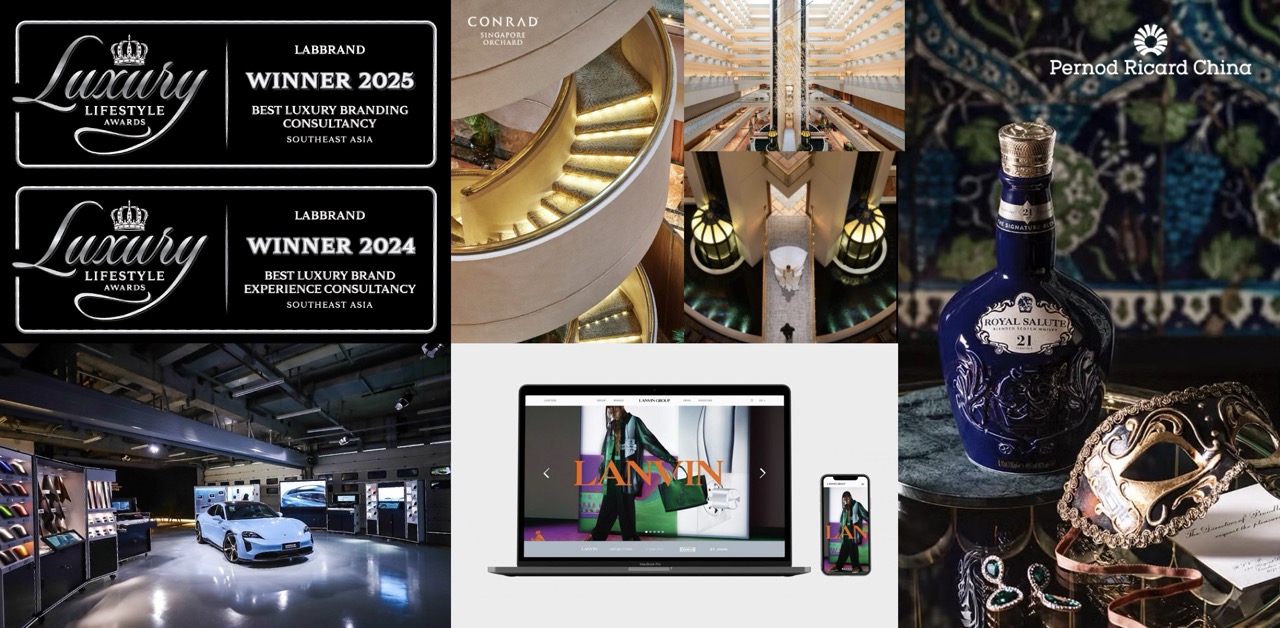
We are proud to announce that LABBRAND has been honored as the Best Luxury Branding Consultancy in Southeast Asia by Lux…
Recently, Labbrand's VP & Creative Director, Amanda Liu and Associate Director of Verbal Branding Strategy, Alva Lv …

The post-epidemic era has reshuffled the consumer goods market significantly. Changing market structures and the flouris…

William Gibson, the author of Neuromancer who is known as the father of Cyberpunk, once said: " The future is …




To improve your experience, we use cookies to provide social media features, offer you content that targets your particular interests, and analyse the performance of our advertising campaigns. By clicking on “Accept” you consent to all cookies. You also have the option to click “Reject” to limit the use of certain types of cookies. Please be aware that rejecting cookies may affect your website browsing experience and limit the use of some personalised features.