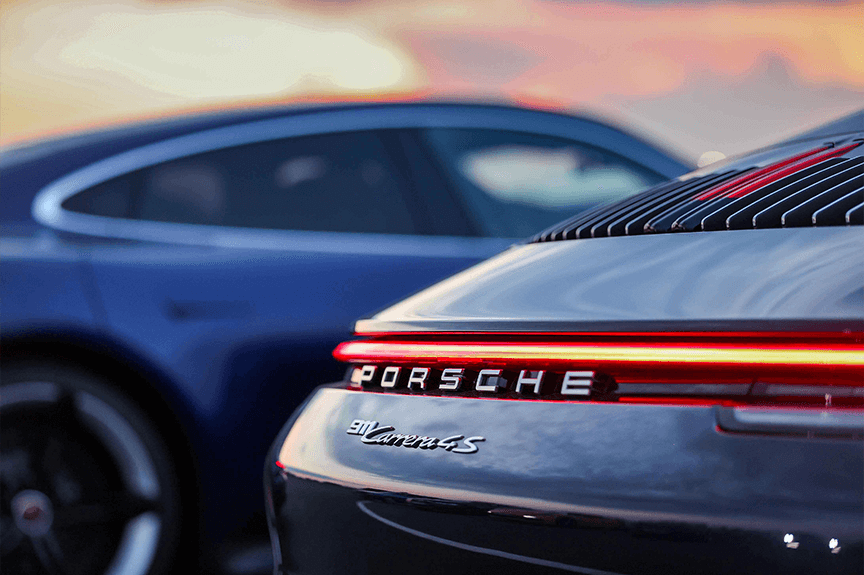
I would like to express our gratitude to your firm’s support for the project ‘Yours Exclusively’ which was positively received by PCN management, dealers, customers and media. We understand it was particularly challenging with the short time available, the uncertainty with the technology, multiple locations and coordination. We are again impressed by how professional your firm has been throughout the process. We are confident that we will work together smoothly towards the Autoshow.
Head of Innovation, Porsche China
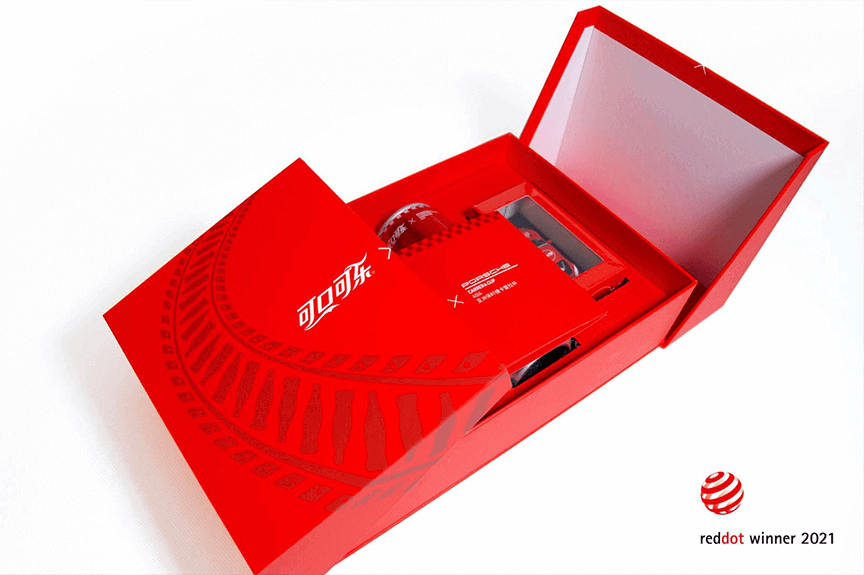
Labbrand was creative, organized and full of energy when collaborating on a fast-turnaround innovation project for one of our largest brands. The workshop inspired key stakeholders from across teams to create new possibilities for the brand and the final output gave clear direction on the way forward.
Sr Marketing Strategy & Insights Manager, Coca-Cola
Juste pour te dire que William a été super. En plus du flou sur l’heure de démarrage, la DG Atelier Cologne Chine n’avait que 15 mn donc il a du commencer par les conclusions et deepdiver après, mais il a été très adaptable, très clair et a su bien répondre aux questions de l’équipe, je ne suis pas intervenue.
Fragrances Consumer Intelligence Manager, L'Oréal Paris
Labbrand has been an outstanding partner to work with in developing the positioning for our new hotels. The team really took the time to understand our hotels as well as target markets to develop strong positioning contributing to our success. Labbrand is an efficient and effective group of team that provides confidence to the client and we look forward to more partnerships with the team.
Senior Manager, Regional Marketing & eCommerce, Hilton
It was a nice and professional experience working with Labbrand. We were well supported and guided in the process of determining a Chinese name and brand entity for Booking.com. The name 缤客 [binke] is well-liked internally and externally and we are very happy with the result. Labbrand has offered an excellent service including the registration process and for any subsequent enquiries, we have had. Thank you Labbrand.
General Manager Greater China, Booking.com
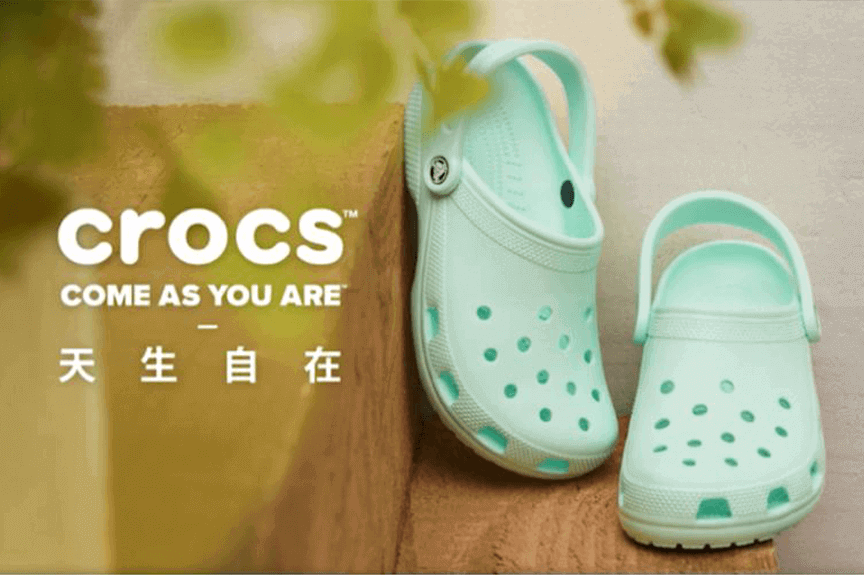
It has been delightful and impressive to work with Labbrand. Our global tagline ‘Come As You Are’ carries the whole brand philosophy behind. Hence, I imagine our Chinese version has to be simple yet profound, universal yet distinctive. During this explorative journey, Labbrand has demonstrated strong creativity and insights to guide the team and finally land on the most suitable choice. With the successful launch of the new Chinese tagline and brand & product names, we look forward to more collaborations with LABBRAND GROUP in the future.
Vice President & GM, Crocs China
We have very high expectations for Nespresso Chinese name. Under this context, 浓遇 [nong yu] stood out among all the others with a vivid storytelling charm that gains instinctive appeal from both our consumers and internal members. Labbrand team has demonstrated strong resilience despite the challenges to finally land on a great name. They have been our trustworthy partner along this branding journey.
Business Executive Officer, Nespresso Greater China







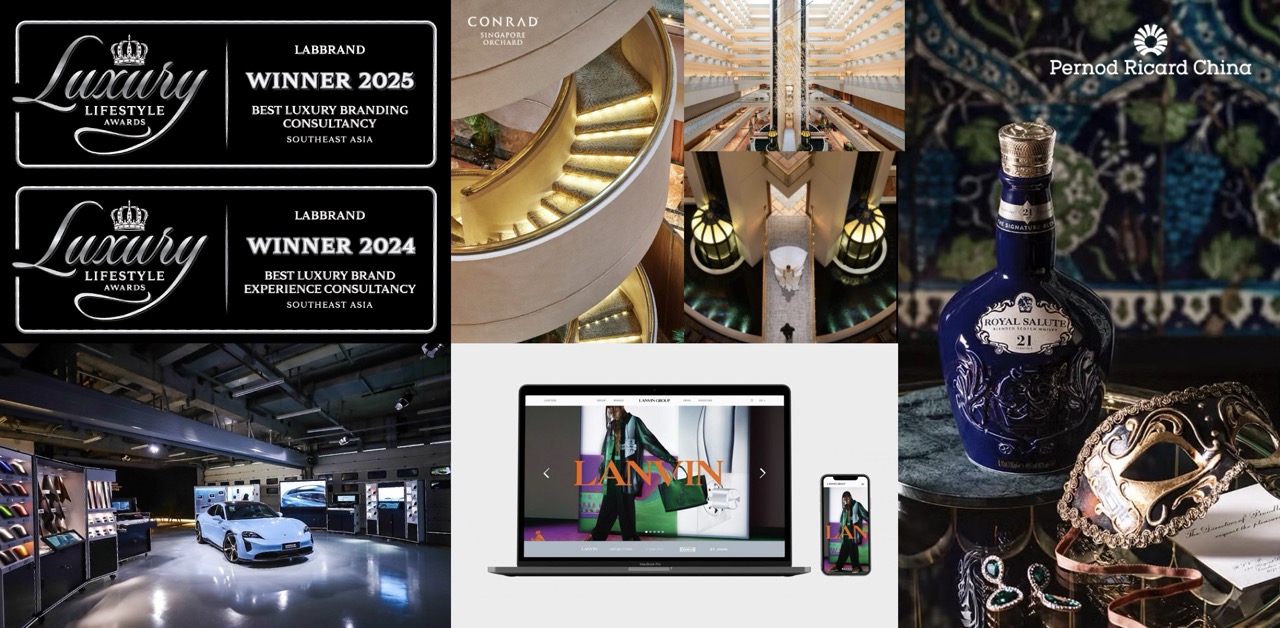
We are proud to announce that LABBRAND has been honored as the Best Luxury Branding Consultancy in Southeast Asia by Lux…
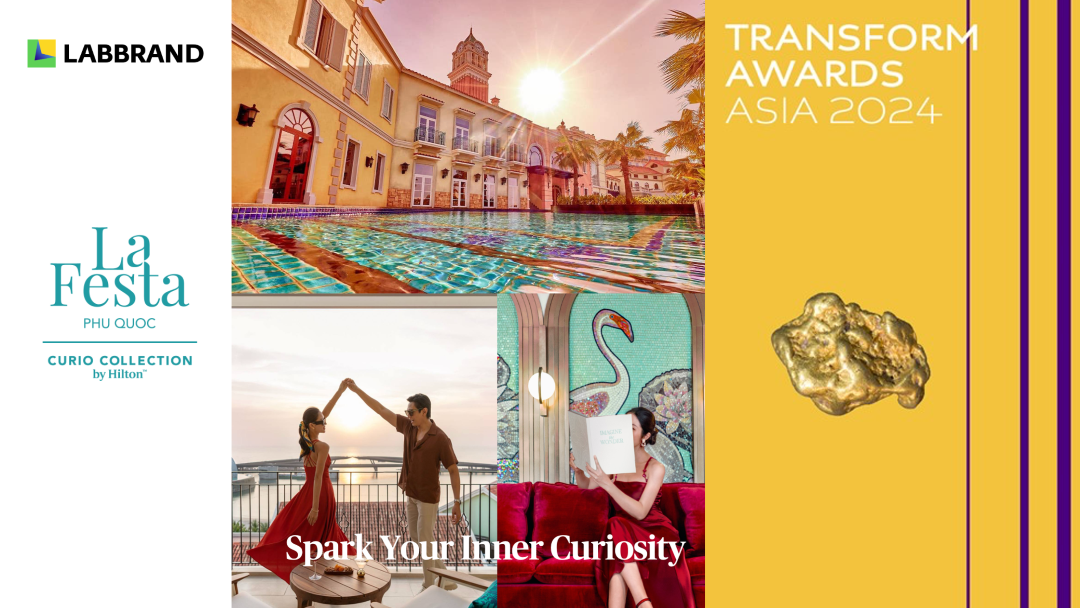
Singapore — LABBRAND, the leading independent global brand consultancy with 20 years of experience, are proud to announc…




To improve your experience, we use cookies to provide social media features, offer you content that targets your particular interests, and analyse the performance of our advertising campaigns. By clicking on “Accept” you consent to all cookies. You also have the option to click “Reject” to limit the use of certain types of cookies. Please be aware that rejecting cookies may affect your website browsing experience and limit the use of some personalised features.