
How Can Cities Turn Surging Attention into Strong Destination Brands?
As 75 countries are now included in China’s visa-free program, and 240-hour transit visa-free policies cover 65 ports of entry, China is embracing the world with an unprecedented level of openness. Over the past year, favorable policies have translated into a strong rebound in inbound tourism, quietly triggering a deeper transformation.
Today’s travelers are no longer satisfied with simply “checking China off their list.” Instead, they want to wander through local streets, immerse themselves in everyday life, and move from “visiting China” to truly “experiencing China.”
This shift—sparked by policy and driven by evolving traveler expectations—creates enormous potential for economic growth. At the same time, it raises new questions for destination brand building.
This article explores how systematic branding strategies can transform short-term traffic into long-term value, and how Labbrand’s core framework—Leadership, Experience, and Ecosystem—helps cities seize opportunities in the era of the experience economy.
The rising popularity of Chongqing is a telling signal. Known as the “8D Magic City,” its unique spatial landscape has long been a viral phenomenon on international social media.
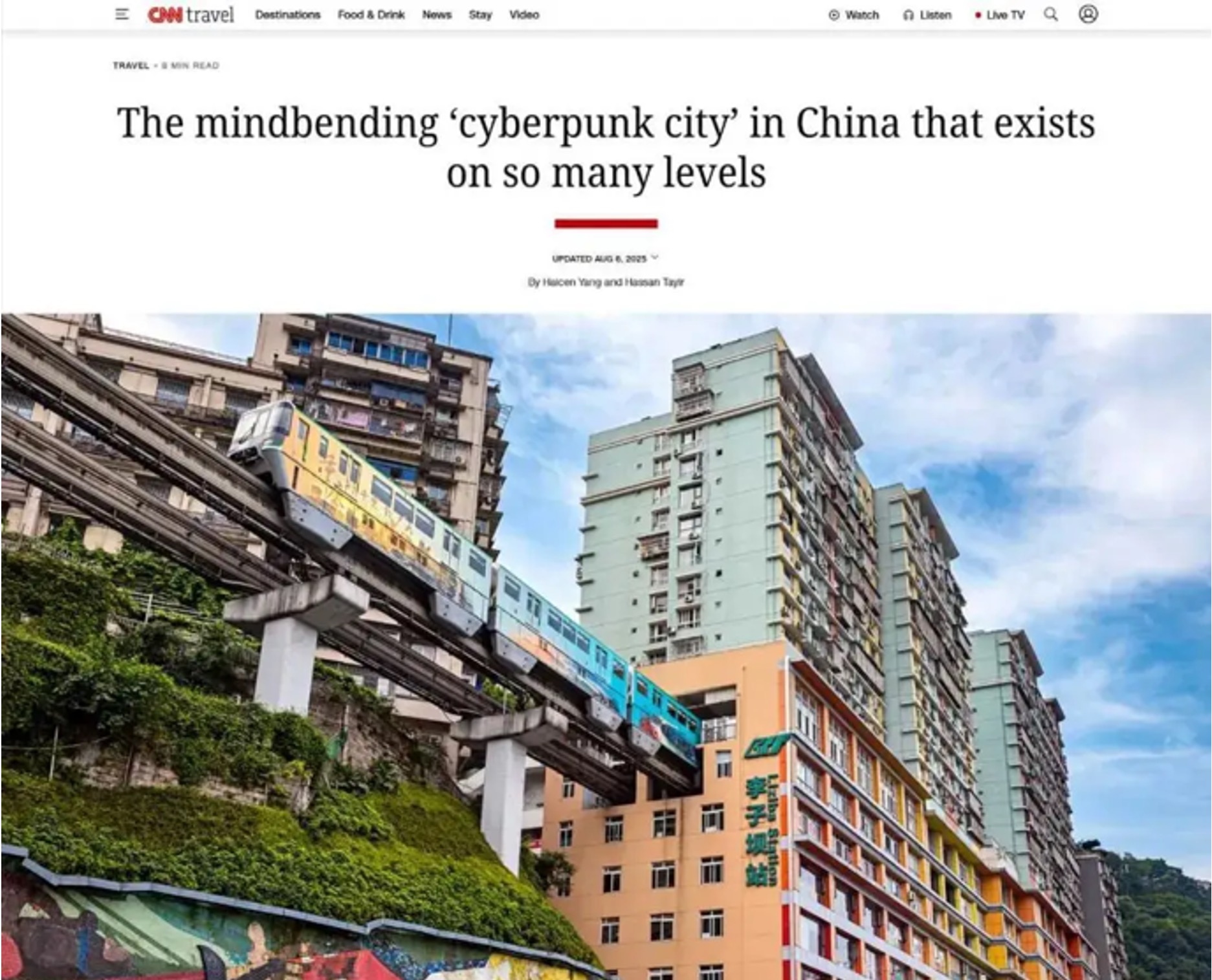
Yet what truly keeps visitors coming is far more than a photo of the metro running through a building or the city’s internet-famous status.
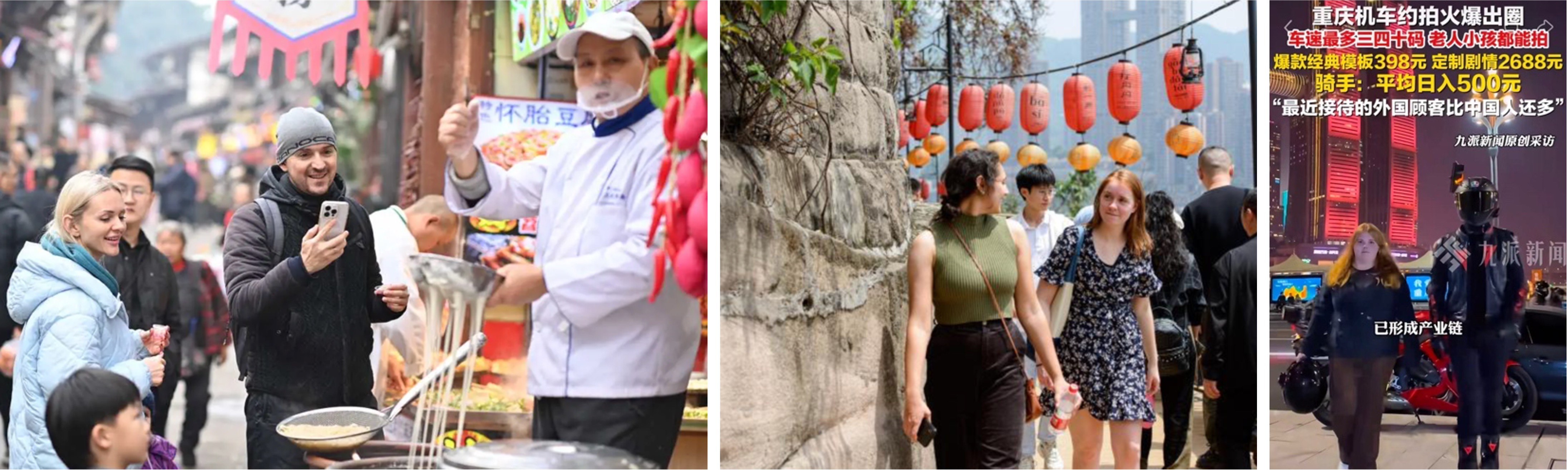
During the day, travelers can witness the grandeur of the Three Gorges. At night, they can immerse themselves in the dreamlike scenery of Hongyadong. Visitors may savor local street flavors at noodle stalls and hotpot restaurants, or challenge themselves with the city’s dramatic “vertical marathon” routes.
This coexistence of diverse and layered experiences allows Chongqing to transcend its “viral city” label, continuously attracting international travelers seeking unique and personalized journeys.
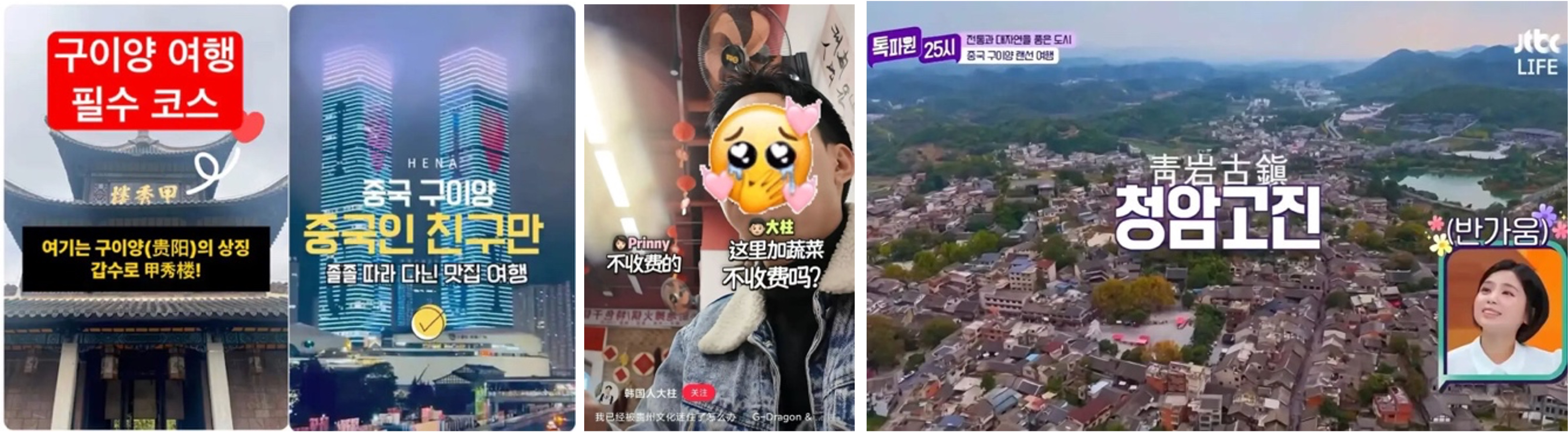
Beyond Chongqing, international travelers are also discovering the hidden charm of Guiyang, in southwest China.
Here, the city’s vibrant mountain landscapes have captured the imagination of young Korean travelers. Some families send their parents to Zhangjiajie to admire its iconic peaks, while younger members transfer flights to Guiyang to embrace the adventure of a “mountain park city.” Such a family vacation in China leaves everyone satisfied.
Guiyang’s mountains are not just scenic views from afar—they invite exploration. Visitors can dive into karst caves, drift along mountain streams, or challenge themselves on natural rock-climbing routes. For outdoor enthusiasts, the city offers a distinctive playground for adventure.
Within the city itself, travelers discover unexpected delights: champion-level pour-over coffee for under ten yuan, uniquely flavored street-side grilled dishes, and hotpot restaurants offering complimentary fruit and vegetable buffets.
From mountains to markets, from relaxation to adventure, Guiyang offers a complete and accessible experience—an affordable escape, a moment of rejuvenation, and a perfectly balanced way to “recharge.”
From Chongqing’s magical urban diversity to Guiyang’s relaxed mountain lifestyle, the rising popularity of these cities reflects the dawn of a new golden era for China’s inbound tourism.
From a data perspective, China’s inbound tourism recovery rate in the first three quarters of 2025 significantly exceeded the global and Asia-Pacific averages, placing China among the leading markets in global tourism recovery.
In terms of visitor origins, short-haul Asian markets and long-haul European and American markets now form a dual engine of growth—strengthening a stable base while bringing China back onto the radar for long-distance travelers.
Destination choices are also evolving. Instead of concentrating solely on traditional gateway cities, travel interest is spreading across multiple destinations. Emerging cities are seeing inbound tourism growth rates that significantly surpass those of established tourism hubs.
Meanwhile, three defining trends characterize this new “golden era” of inbound tourism: younger travelers, deeper experiences, and digital integration. Together, they point toward a new vision for inbound travel in China—one driven by personalization, authentic experiences, and technology-enabled journeys.
The emergence of this new trend is built upon a gradually maturing ecosystem of travel convenience and a continuously growing social and cultural appeal.
Improvements in the broader environment have made it easier than ever for international visitors to explore China with ease. As visa facilitation policies expand and the “visa-free circle” continues to grow, the first barrier to entering China has been significantly lowered.
At the same time, services such as “instant tax refund” for departure tax rebates, the widespread adoption of QR-code payments, and expanding cross-border payment solutions have made consumption smoother and more accessible for international visitors. Meanwhile, a comprehensive transportation network—integrating international flights, high-speed rail, and urban public transit—allows travelers to effortlessly explore multiple destinations within a single journey.
Together, these systematic improvements in visa policies, payment systems, and transportation infrastructure form a strong foundation for the high-quality development of China’s inbound tourism.

At the same time, the growing appeal of Chinese culture is transforming tourism experiences—from simply “seeing the sights” to experiencing contemporary Chinese culture.
From hands-on intangible cultural heritage crafts and urban walking tours to the vibrant festivals and performances held across different cities, cultural elements are increasingly being translated into immersive and participatory travel experiences.
Meanwhile, a spontaneous global cultural trend is emerging. On international social media platforms, topics such as “Becoming Chinese” and “Chinese Soul” have attracted billions of views. Experiences like Hanfu culture, traditional wellness practices, and Chinese cuisine are widely shared through short videos and social media content, becoming emotional touchpoints that connect young people around the world.
Beneath this emotional wave lies an even deeper dynamic: the global rise of Chinese culture and Chinese brands.
With cultural IPs such as Black Myth: Wukong gaining worldwide attention, and brands like BYD and Pop Mart expanding internationally, the aesthetics and vitality of modern China are increasingly visible on the global stage.
In the past, Chinese products reached global consumers primarily through cross-border e-commerce platforms thanks to their strong value-for-money proposition. Whether through “Made in China” products on Amazon or packages from platforms like Temu and SHEIN, these products quietly shortened the distance between international consumers and China—often serving as their first touchpoint with the country.

As this value-driven connection established initial familiarity, the collective rise of Chinese brands on the international stage has elevated global perceptions of China. Moving beyond simply offering good products, these brands now express distinct attitudes, aesthetics, and identities.
Gradually, a more authentic, dynamic, and multidimensional image of contemporary China is taking shape—and the world is becoming increasingly curious about the country that nurtures these brands.

As seamless travel and convenient access meet destinations rich in experiences worth lingering for, China is evolving from a traditional stop on travelers’ bucket lists into a place the world’s visitors are eager to return to and explore again and again.
Opportunities often come hand in hand with challenges. While emerging opportunities bring great promise, the fundamental shift in the paradigm of inbound tourism also presents new challenges for the market.
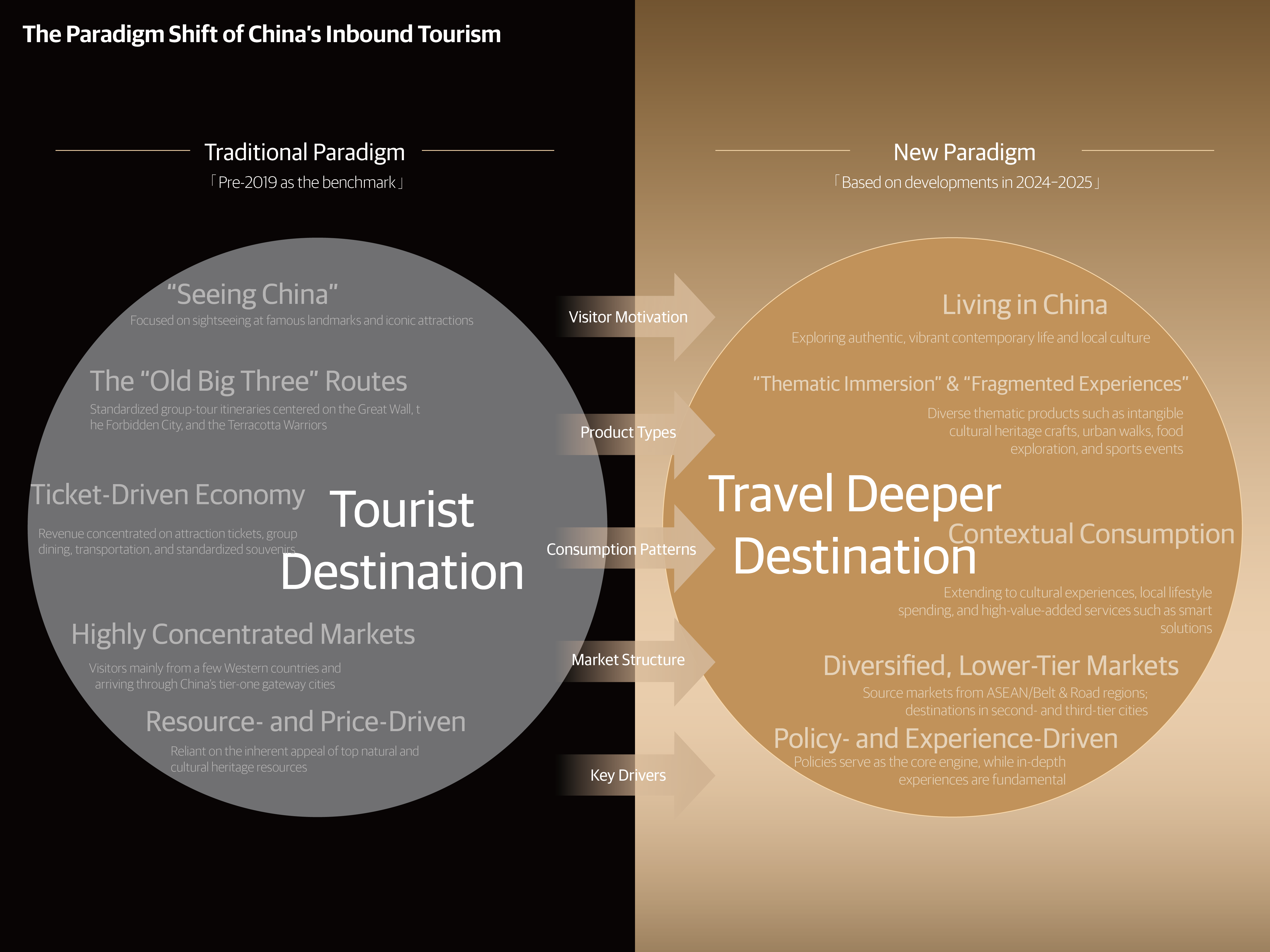
Driven by significantly improved travel policies and the global rise of the experience economy, the traditional sightseeing model centered on “seeing China” is gradually being reshaped into a deeper mode of “living in China.” International visitors are no longer satisfied with simply touring iconic landmarks. Instead, they seek to explore lively streets, natural landscapes, and authentic local shops—touching the vibrant fabric of cities and immersing themselves in real local culture and contemporary life.
This transformation is profoundly reshaping the logic of the industry. Tourism products are shifting from standardized itineraries built around iconic attractions toward thematic, modular, and immersive experiences. Consumption is evolving from a “ticket economy” to “scenario-based consumption,” encompassing culture, lifestyle, and service experiences. Meanwhile, the market itself is becoming increasingly diversified, with both source markets and destination choices expanding beyond traditional centers, calling for a tourism supply system that can respond to more segmented and diverse demand.
In Labbrand’s view, responding to these complex challenges requires moving beyond short-term marketing tactics toward systematic destination brand building. We believe that a destination capable of consistently attracting global travelers must cultivate three core capabilities:
1. Leadership: Defining a Distinct Value Core and Global Narrative
Destinations must go beyond simply cataloging their natural resources or cultural heritage. Instead, they should uncover their deeper DNA, distill a compelling narrative with global resonance, and position themselves as a unique source of inspiration. By articulating a clear value proposition, destinations can precisely attract their target audiences and establish distinctive mental associations in the global tourism landscape.
2. Experience: Creating Meaningful Visitor Connections Through Designed Experiences
While seamless infrastructure forms the foundation of travel experiences, true experiential strength lies in a strategic approach to experience design. By transforming unique local resources into compelling scenarios and curated content, destinations can create immersive activities and consumption environments that invite visitors to actively participate—shifting the role of travelers from passive observers to engaged participants.
3. Ecosystem: Ensuring Sustainable Development Through Collaborative Systems
Tourism should not function as an isolated economic enclave. Exceptional destination brands leverage brand partnerships, cultural IP development, and collaborations with KOLs/KOCs and content ecosystems to convert tourism traffic into momentum that activates local industries and communities. In doing so, they create a virtuous cycle where tourism drives industry development and industry, in turn, enriches tourism, enabling both cultural authenticity and economic growth to thrive together.
Together, these three capabilities form a systematic framework that enables destination brands to build lasting international appeal—transforming visitor flows into reputation, loyalty, and long-term value.

Looking globally, the Three Capabilities model helps explain why some destination brands achieve remarkable success in attracting international visitors.
When analyzing how destinations appeal to global travelers, it can be useful to adopt a reverse perspective: as foreign tourists ourselves, what makes us feel drawn to a destination? Viewed through this lens, Provence in southern France offers a compelling example.
The success of Provence begins with its clear brand leadership. Centered on the idea of a “romantic aesthetic of Southern France,” the region seamlessly blends natural landscapes with a distinctive lifestyle philosophy. Through consistent cultural storytelling, Provence has deeply anchored itself to the imagery of southern French living—a global narrative of romance, leisure, and artistic charm. This powerful narrative continues to attract generations of travelers seeking romance, natural healing, and a high-quality lifestyle.
In terms of brand experience, Provence builds upon its signature theme of “pastoral romance.” The region has developed a six-sense immersive storytelling system that engages visitors visually, aromatically, tactically, gastronomically, aurally, and emotionally. Carefully designed experiences—from essential oil workshops to lifestyle stays at historic château wineries—invite visitors to immerse themselves in the region’s atmosphere. At the same time, cross-disciplinary content initiatives such as the Hello, Provence! white paper further articulate and promote the destination’s cultural identity and lifestyle philosophy.
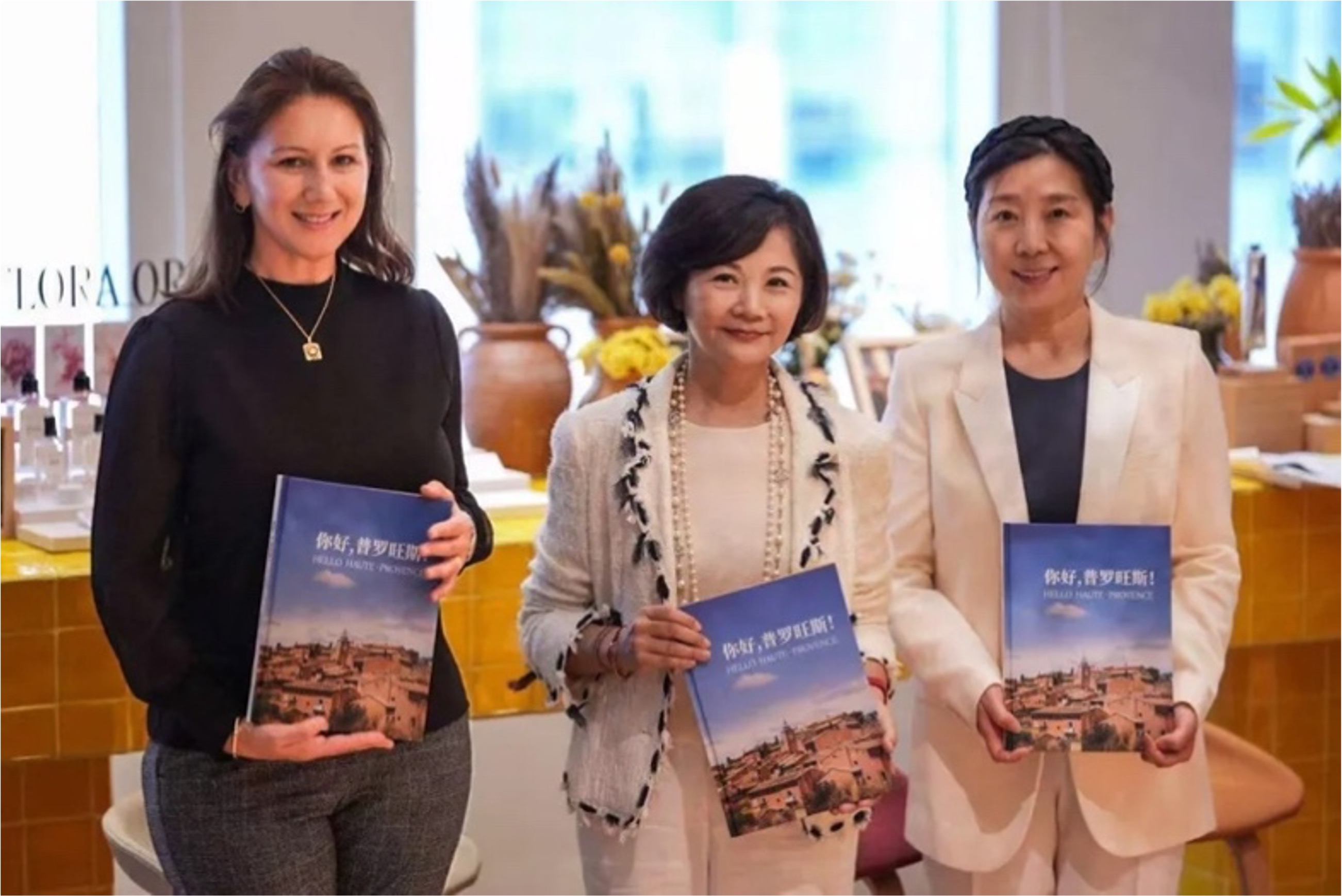
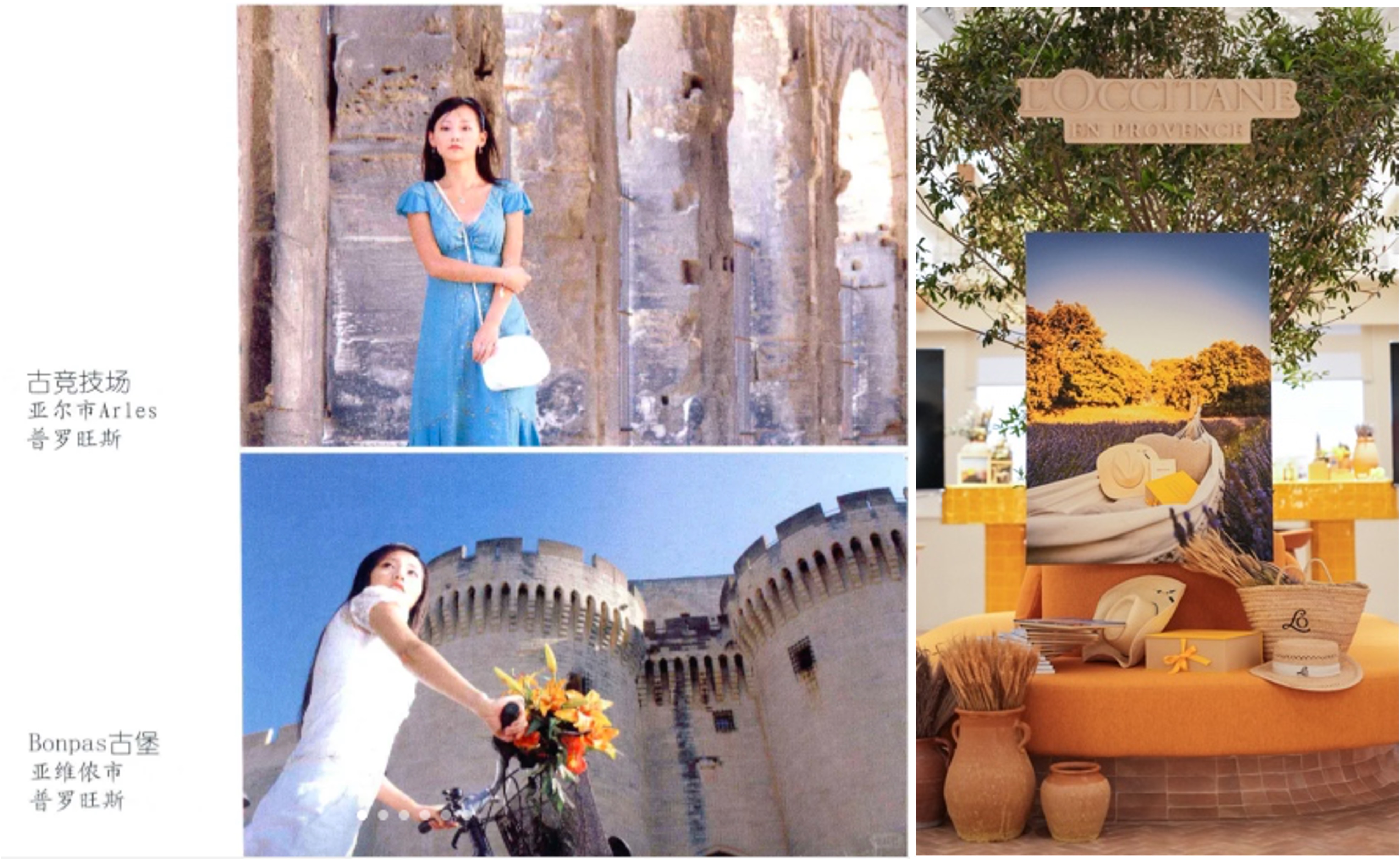
The construction of Provence’s brand ecosystem is particularly systematic. Since the popularity of the television drama Romance in the Rain II (《又见一帘幽梦》), Provence has continuously reinforced its identity as a symbol of romance in the Chinese market, establishing an emotional connection that has endured for decades.
At the same time, its deep symbiosis with local brands such as L’Occitane has transformed this cultural sentiment into sustainable brand assets on the industrial side. Guided by its philosophy of botanical purity, L’Occitane has turned Provence’s plant-based ingredients into globally recognized products—further reinforcing the region’s iconic status as a source of botanical heritage.
This mutually reinforcing relationship between tourism and industry not only enriches the destination’s experiential dimension, but also builds a sustainable ecosystem rooted in emotion, industry, and storytelling. In doing so, it gives the destination brand a lasting vitality—one that continues to grow and evolve over time.
A useful lesson can often be drawn from others’ successes. In Asia, Kyoto, Japan offers a compelling example with particular relevance from an Eastern cultural perspective.
Kyoto’s brand leadership is rooted in its ability to elevate the philosophy of the “Japanese spirit” and the art of exceptional hospitality into a timeless cultural foundation. Centered on the aesthetic of humanistic wabi-sabi, Kyoto integrates cultural symbols such as the ancient capital, Zen philosophy, and the tea ceremony, continuously expressing them in contemporary ways. In doing so, this thousand-year-old city has evolved into more than a destination—it has become an idealized vision of an Eastern way of life, one that travelers aspire to experience and pursue.
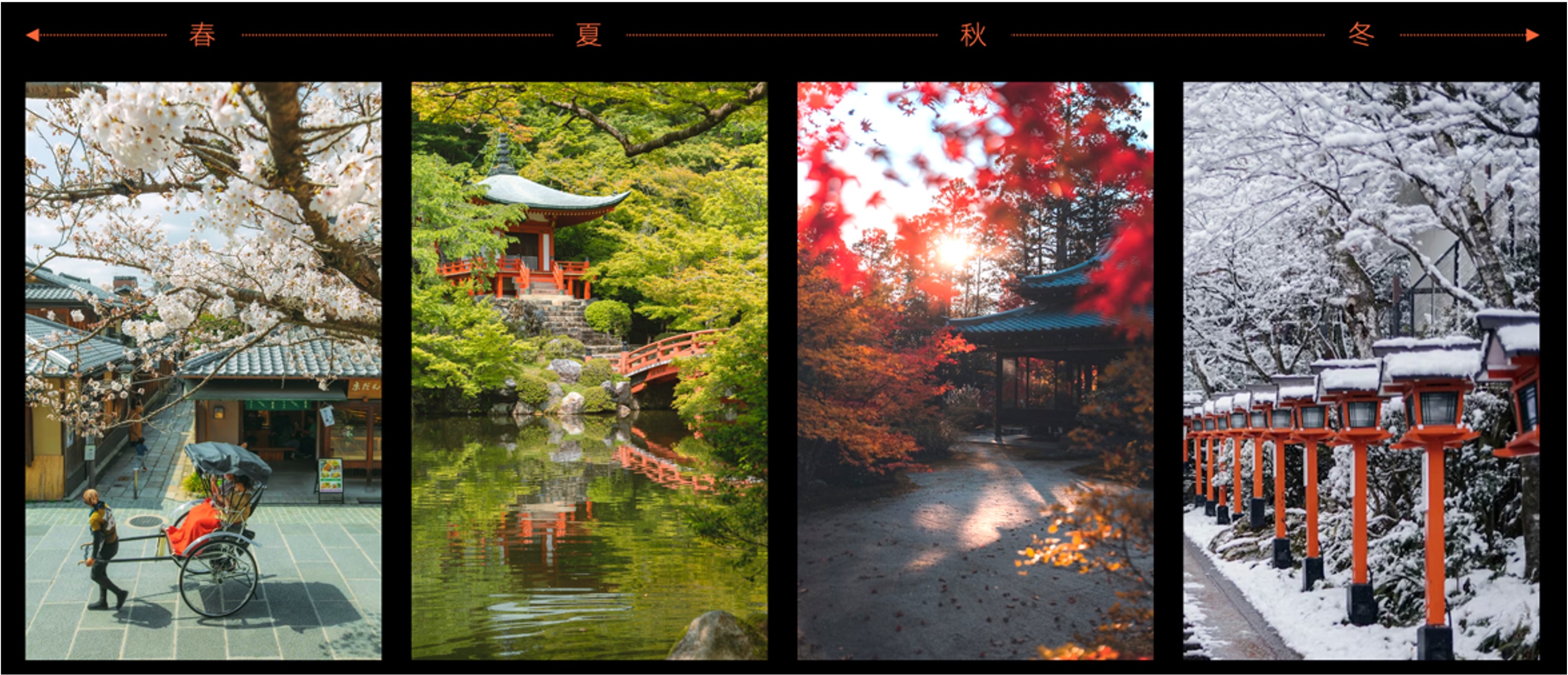
In terms of brand experience, Kyoto demonstrates extraordinary craftsmanship in transforming traditional rituals into contemporary experiences. On one hand, cultural practices such as tea ceremonies and kaiseki cuisine are designed as deeply participatory, ritualized experiences. On the other hand, the city has built an experiential rhythm anchored in the changing seasons—spring blossoms, summer greenery, autumn foliage, and winter snow. The passage of time itself becomes a precious “once-in-a-lifetime” moment, turning every visit into a unique encounter with nature and tradition. In this way, Kyoto’s experiences transcend the short cycles of tourism trends, creating an enduring and timeless appeal.
The excellence of Kyoto’s brand ecosystem lies in its ability to build a virtuous system that enables the living transmission of traditional culture in a contemporary context. Tourism not only injects demand and vitality into ancient crafts such as Nishijin weaving and Kiyomizu pottery, but also fosters innovative collaborations between traditional artisan houses, premium hospitality brands, and even international companies. At the same time, cultural landmarks such as Kinkaku-ji (the Golden Pavilion) have been cultivated into powerful cultural IPs. Through these mechanisms, traditional culture continues to evolve and renew itself within modern commercial frameworks, forming a resilient and enduring ecosystem of co-creation.
The practices of Provence and Kyoto together reveal a clear set of principles behind the creation of exceptional destination brands.
The essence of brand leadership lies in subtraction—focusing on forging a distinctive and sustainable world-class value core.
The core of brand experience lies in perceptibility—transforming an abstract brand essence into immersive and emotionally resonant experiences.
And the goal of brand ecosystem building lies in self-generation—allowing the brand to evolve from a central controller into a platform builder and value amplifier that enables continuous collaboration and growth.
By first anchoring a clear core and then expanding outward to develop rich meaning and layered experiences, destination brands can build a defensible and difficult-to-replicate moat. This evolutionary path allows them to transcend short-term traffic cycles and achieve sustained prosperity over time.
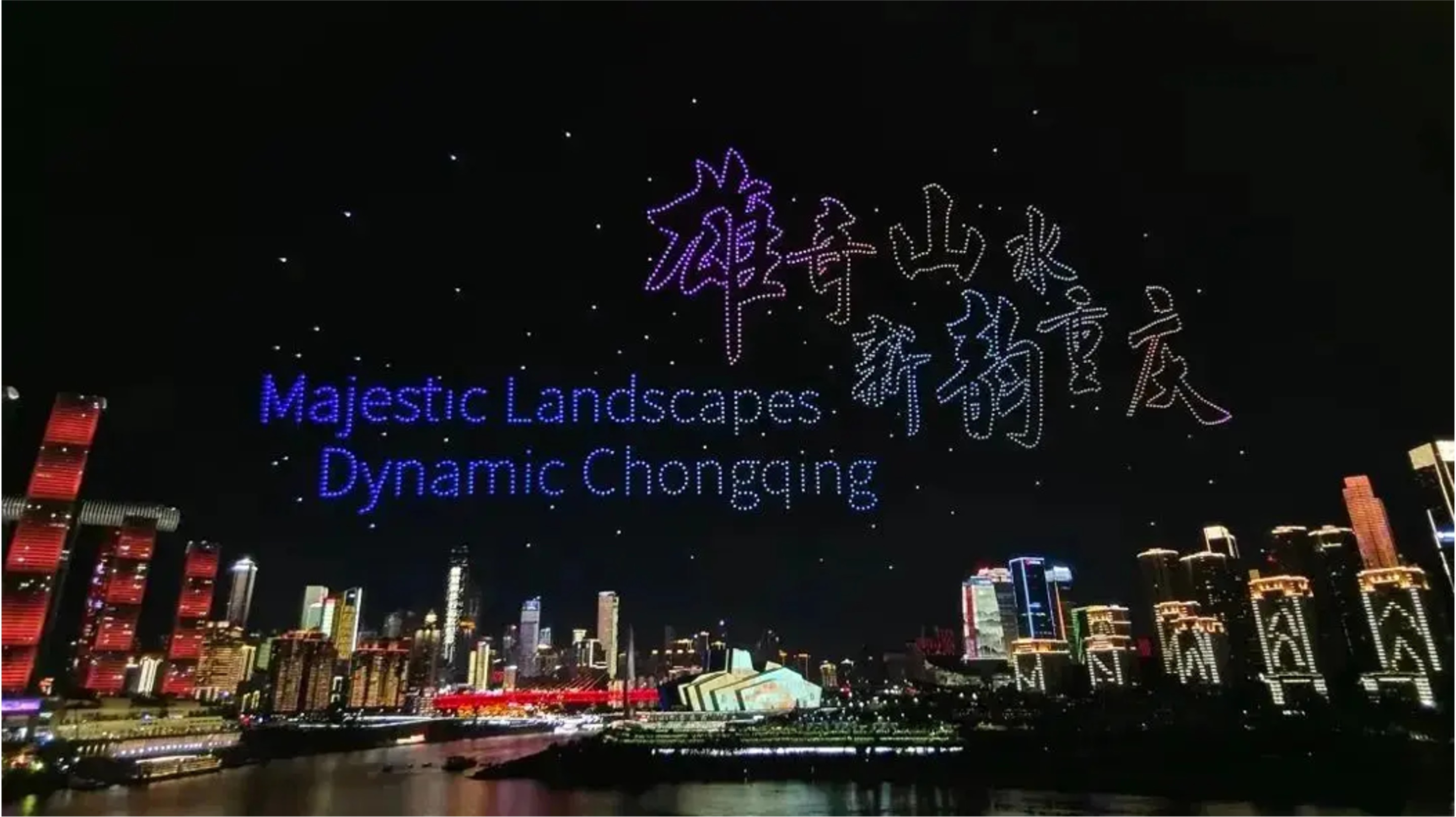
Looking back at domestic examples, some Chinese cities have already demonstrated forward-looking initiatives. Chongqing has introduced the destination slogan “Magnificent Landscapes · New Rhythm Chongqing.” By creating iconic experiences such as the “New Rhythm Chongqing” drone light show, the city has transformed the imagination of its famous “8D magical cityscape” into a distinctive and immersive visitor experience. At the same time, Chongqing has closely integrated emerging industries—such as the low-altitude economy and nighttime economy—with tourism development, illustrating an early effort to build a coordinated growth model across leadership, experience, and ecosystem capabilities.
This momentum closely resonates with the national vision of building China into a leading global tourism power. Today, systematically re-examining destination branding carries significance far beyond the tourism sector itself. In China’s “15th Five-Year Plan”, enhancing the convenience and internationalization of inbound tourism has been identified as a key pathway toward achieving this national goal. Developing inbound tourism is increasingly viewed as a strategic direction—one that showcases China’s openness to the world, strengthens its international influence, and ultimately supports the country’s transition from a major tourism nation to a global tourism powerhouse.
The blueprint has already been drawn. With supportive national policies and emerging market opportunities, the need for systematic destination brand building has never been more urgent. The current moment represents not only an opportunity but also a critical window of action.
Amid the new wave of inbound tourism, Labbrand is committed to supporting destinations through its framework of Leadership, Experience, and Ecosystem. By helping provinces and cities articulate their unique value propositions, build compelling narrative systems, design immersive experiences, and translate brand potential into sustainable market attraction, LABBRAND aims to unlock the full potential of China’s diverse destinations.
Together with local partners across China, LABBRAND looks forward to systematically uncovering the unique charm of each region and shaping travel destinations that inspire and captivate global visitors.




To improve your experience, we use cookies to provide social media features, offer you content that targets your particular interests, and analyse the performance of our advertising campaigns. By clicking on “Accept” you consent to all cookies. You also have the option to click “Reject” to limit the use of certain types of cookies. Please be aware that rejecting cookies may affect your website browsing experience and limit the use of some personalised features.