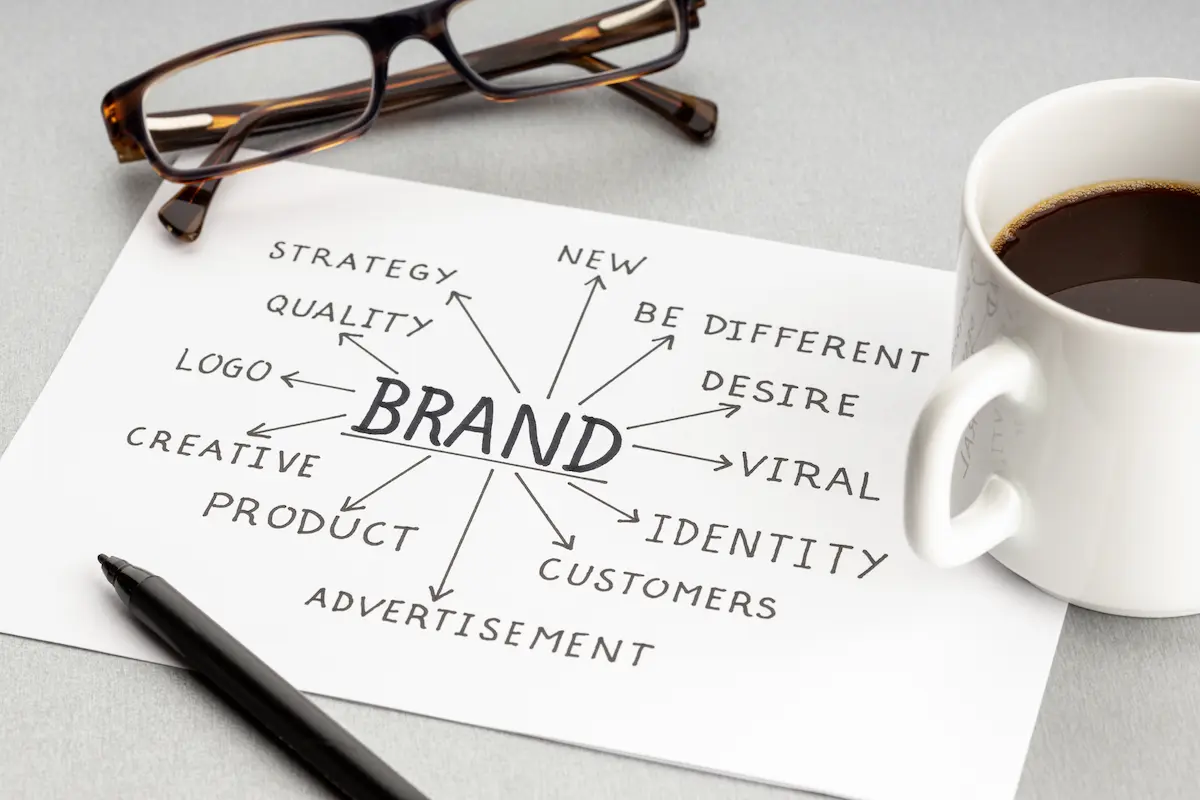

Many organizations select a branding agency like they choose a supplier. They scan portfolios, compare costs, and make a quick call. This approach is fundamentally flawed. In today’s market, branding is no longer a creative output; it is a strategic system that determines long-term business relevance. The partner you choose will influence your market position for years to come.
The agencies that deliver real impact are not just those with the best visuals. They are the partners who can navigate cultural decoding, semiotic continuity, and complex stakeholder ecosystems. Identifying the right partner requires a shift from looking at execution to evaluating strategic thinking.
To find a branding agency built for the future your brand is entering, consider these five critical questions.
Most branding initiatives fail because they put looks before strategy. This creates brands that appear appealing but lack a clear foundation in business logic. A logo cannot fix an unclear identity or a weak value proposition. In saturated markets, differentiation is rarely visual, it is strategic.
You need a partner who uncovers your brand essence before translating it into design. If an agency cannot explain the rationale behind its creative choices, it is choosing output over impact. Leading consultancies ensure every decision is grounded in business outcomes, using strategy to guide how the brand’s truth and vision are expressed.
A brand is not just a set of rules on paper; it is a lived experience across every touchpoint. Many firms develop strong plans but fail to consider how they translate into real-world interactions. This disconnect often leads to brands that fail to resonate with their audience.
As brands move across more platforms, the gap between intention and execution grows. An effective partner anticipates this by designing for consistency across the entire customer journey. The most capable agencies align brand, experience, and operations into one unified system to ensure consistency at scale.
Branding often breaks down because of misalignment across complex stakeholder groups. Projects frequently involve many leaders, each with different priorities. Without a structured process, this complexity stalls progress and dilutes results.
As organizations grow, internal alignment becomes a primary barrier to brand consistency. A strong partner brings structure to this complexity, gathering input and aligning perspectives without losing the vision. Proven methodologies and structured frameworks are critical to delivering both clarity and efficiency.
Strong branding is not defined by immediate visibility. It is defined by its ability to sustain relevance over time. While short-term trends are easy to follow, long-term impact needs a deeper look at how markets evolve.
In fast-changing environments, brands must adapt without losing their core identity. Ask for examples of brands that remained relevant years after their launch. The best partners act as long-term strategic advisors, helping brands balance their industry authority with meaningful delivery to keep their leadership power intact.
Creative intuition is no longer enough; effective branding today is insight-led. While instinct is valuable, it must be supported by cultural intelligence, data, and linguistic nuance. Without this foundation, strategy becomes an assumption rather than a direction.
Ask if the agency uses market insights, consumer research, or semiotic analysis to guide its choices. Brands grounded in clear positioning consistently outperform competitors in customer loyalty. The strongest outcomes come from combining creativity with analytical rigor to ensure the brand is both distinctive and effective.
Choosing a branding agency is not a procurement decision, it is a strategic inflection point. It requires moving beyond portfolios to focus on how an agency thinks, not just what it produces.
The right agency does not simply define how your brand looks. It defines how it competes, evolves, and endures. The real question is no longer “Which agency is the best?” but “Which agency is built for the future your brand is entering?”.As a global brand consultancy, LABBRAND partners with organisations to navigate complexity and unlock long-term brand value. Contact us to explore how strategic branding can support your next phase of growth.




To improve your experience, we use cookies to provide social media features, offer you content that targets your particular interests, and analyse the performance of our advertising campaigns. By clicking on “Accept” you consent to all cookies. You also have the option to click “Reject” to limit the use of certain types of cookies. Please be aware that rejecting cookies may affect your website browsing experience and limit the use of some personalised features.