
For Chinese companies, going global is no longer a side ambition. It has become one of the defining business movements of the decade.
From electric vehicles and solar panels to drones, batteries, consumer electronics, home appliances, e-commerce, and industrial equipment, Chinese companies are entering overseas markets with unprecedented speed and confidence. In many categories, they are no longer followers or value for money players but leaders in technology and product experience.

Many companies assume that this product leadership will naturally lead to high-quality global growth.
But at Labbrand, we observe a different reality:
Many Chinese companies still struggle to turn product strength into lasting loyalty, premium pricing power, and cultural preference. Their products are recognized and respected, but their brands are not always remembered.
Since Covid, Chinese companies have accelerated their global expansion across both traditional industries and emerging categories. The first stage of this expansion has been highly product-driven.
In established industries, the scale is already remarkable. China has become the center of global EV and clean energy production. Chinese companies produce more than half of the world’s electric vehicles, while China accounts for over 80% of global solar panel production. In batteries, CATL and BYD together account for more than half of global EV battery installations. In home appliances and consumer electronics, brands such as Haier, Hisense, TCL, and Xiaomi have moved from manufacturing partners to global brand competitors.

Chinese companies are also leading the development of new categories. DJI controls more than 70% of the global civilian drone market. Temu and Shein have reshaped global e-commerce and fast fashion through supply chain speed, data-driven operations, and aggressive digital growth. In smart mobility, robotics, energy storage, and connected devices, Chinese brands are increasingly defining category standards.
At first glance, the story seems clear: Chinese products are winning, Chinese brands are rising, and the global market is opening.
But the deeper picture is more complex. Chinese companies still face a brand deficit.
In many overseas markets, Chinese companies are admired for price, functionality, efficiency, and speed — but less consistently associated with aspiration, emotional connection, lifestyle identity, or cultural leadership. Their products can win trial, but they do not always create loyalty or drive premium pricing power.
More importantly, when controversy comes, many Chinese brands lack the reservoir of goodwill that protects established global brands. High-profile incidents — from Shein’s repeated scrutiny in Europe, including recent PR crises in France, to political pressure faced by leading Chinese technology companies — show that product strength alone does not build cultural legitimacy. Without stronger brand power, Chinese companies can quickly become easy targets: criticized, regulated, taxed, or politicized without many consumers or partners willing to defend them.
In short: Chinese products are increasingly recognized. Chinese brands are still catching up.
Building a global brand is not simply about buying visibility through major sponsorships, celebrity endorsements, media investment, or high-profile campaigns. These actions can create awareness, but they cannot, by themselves, create lasting preference and resilience.
The deeper challenge is to transform product strength into comprehensive brand power.
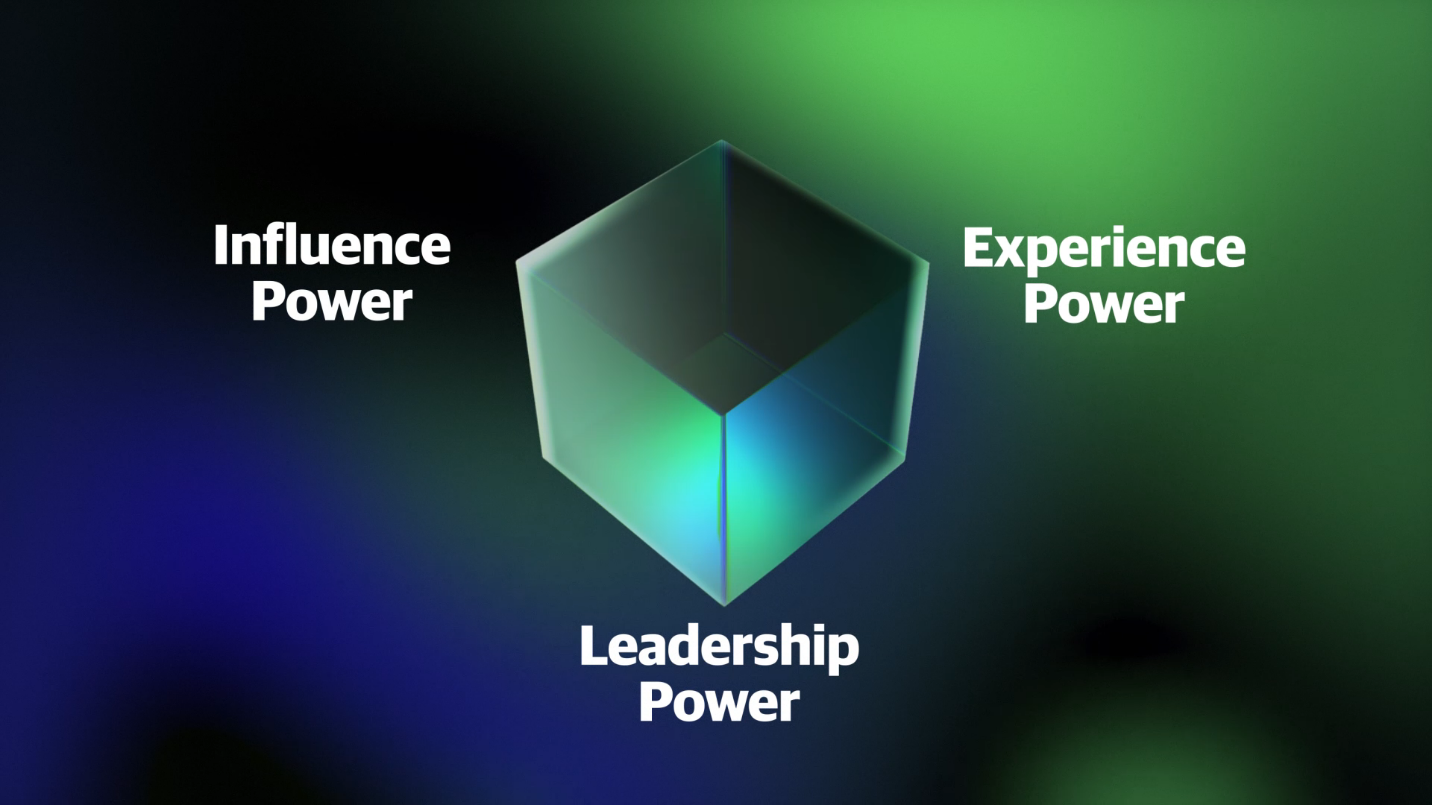
This is where Labbrand’s 3 Powers model offers a useful lens. For Chinese companies, global brand building requires investment across three connected dimensions: Leadership Power, Experience Power, and Eco-system Power.
1. Leadership Power: From Functional Claims to Brand Authority
Leadership Power is already the strongest dimension for many Chinese companies.
Their advantage is clear: strong product performance, competitive value, rapid innovation, supply chain efficiency, and the ability to respond quickly to changing market needs.
But product leadership needs to be elevated into brand authority.
Too many Chinese brands still explain their value through functional claims: faster, cheaper, smarter, more efficient, more advanced. These claims matter, but they are often easy to compare and easy to copy. They do not always answer the deeper question global consumers are asking: what does this brand stand for?
The next step is to express the ethos behind the product: the philosophy of design, the belief about users, the vision of progress, the approach to innovation, and the role the brand wants to play in people’s lives.
Chinese brands must move from saying “our product is better” to showing “our way of thinking is valuable.”
2. Experience Power: From Usability to Cultural Resonance
Experience Power remains a weak point for many Chinese companies abroad.
The product may work well, but the brand experience often lacks emotional texture, cultural fluency, or local empathy. Websites, retail spaces, packaging, after-sales service, community management, social content, and customer journeys can still feel optimized for efficiency, but not always for connection.
Some Chinese companies are beginning to show what is possible. Xiaomi’s global growth has not only been driven by devices, but by an ecosystem experience that connects phones, appliances, mobility, wearables, retail, and a strong user community. Its “Mi Fan” culture gives the brand a sense of participation that many Chinese companies still lack overseas.
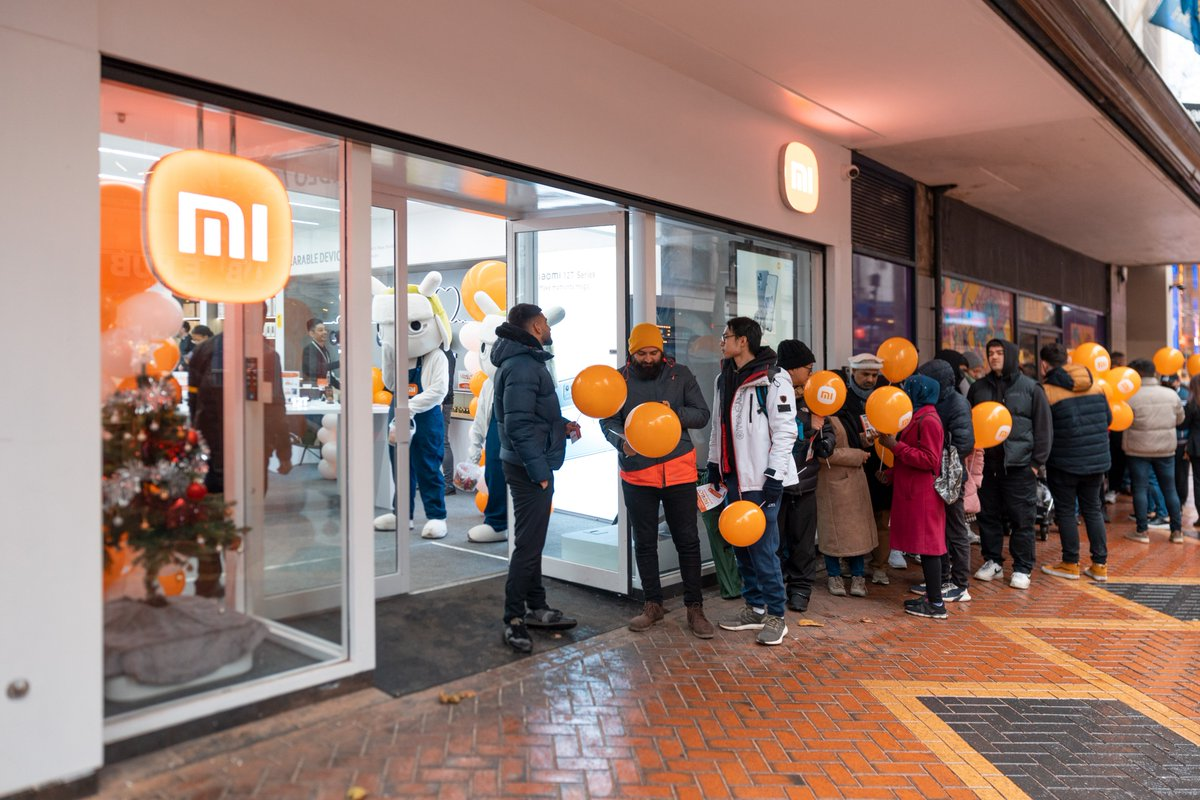
But Xiaomi remains the exception rather than the rule.
For many Chinese brands, the challenge is to design a more complete and locally resonant experience: not just a good product, but a recognizable world; not just a transaction, but a memory and a relationship.
3. Eco-system Power: From Transactions to Local Participation
Eco-system Power is often the weakest point for Chinese companies going global.
Many Chinese brands enter overseas markets through highly transactional relationships with distributors and other partners. These relationships can support market entry, but they rarely create deep market embeddedness.
To build long-term resilience, Chinese companies need to move from selling into markets to participating in them.
This means building stronger local partnerships, empowering local teams, engaging with communities, working with local cultural voices, and creating shared value with stakeholders beyond immediate sales. It also means developing advocates: employees who believe in the brand, partners who are proud to represent it, and communities who understand its contribution.
Eco-system Power gives a brand protection, relevance, and continuity. It makes the brand harder to replace, harder to attack, and easier to trust.
Product leadership opened the door to global markets for Chinese companies, but it will not be enough to keep it open.
To sustain high-quality growth, Chinese companies must build brands that lead with a clear point of view, deliver experiences with cultural empathy, and become embedded in local ecosystems.
The goal is not only to go global. The goal is to belong globally.




To improve your experience, we use cookies to provide social media features, offer you content that targets your particular interests, and analyse the performance of our advertising campaigns. By clicking on “Accept” you consent to all cookies. You also have the option to click “Reject” to limit the use of certain types of cookies. Please be aware that rejecting cookies may affect your website browsing experience and limit the use of some personalised features.