Search for content of interest
  • About
  • ServiceS
    • Branding
    • Innovation
    • Naming
    • Strategy
    • Research
    • Design
  • Work
  • Insights
  • News
  • LOCATIONS
    • Shanghai
    • Paris
    • New York
    • Singapore
    • Kuala Lumpur

CN FR
  • About
  • ServiceS
    • Branding
    • Innovation
    • Naming
    • Strategy
    • Research
    • Design
  • Work
  • Insights
  • News
  • LOCATIONS
    • Shanghai
    • Paris
    • New York
    • Singapore
    • Kuala Lumpur
CONTACT

EN

  • CN
  • FR

Home Insights Our Thinking Detail

EXPERTISE

  • Strategy
Contact Us

Luxury Chinese Fashion Brand Erdos “1436” Identifies the Importance of Visual Identity

Discover the epitome of elegance with 1436, a renowned Luxury Chinese Fashion Brand. Launched in 2007 by the prestigious Inner Mongolia-based Erdos Group, the brand takes its name from the exquisite yarn used in crafting its opulent garments. As the flagship creation of China’s largest cashmere products company, Erdos Group, 1436 seamlessly blends tradition and modernity. Elevate your wardrobe with the timeless allure of this Luxury Chinese Fashion Brand, where each piece embodies the essence of sophistication and craftsmanship.
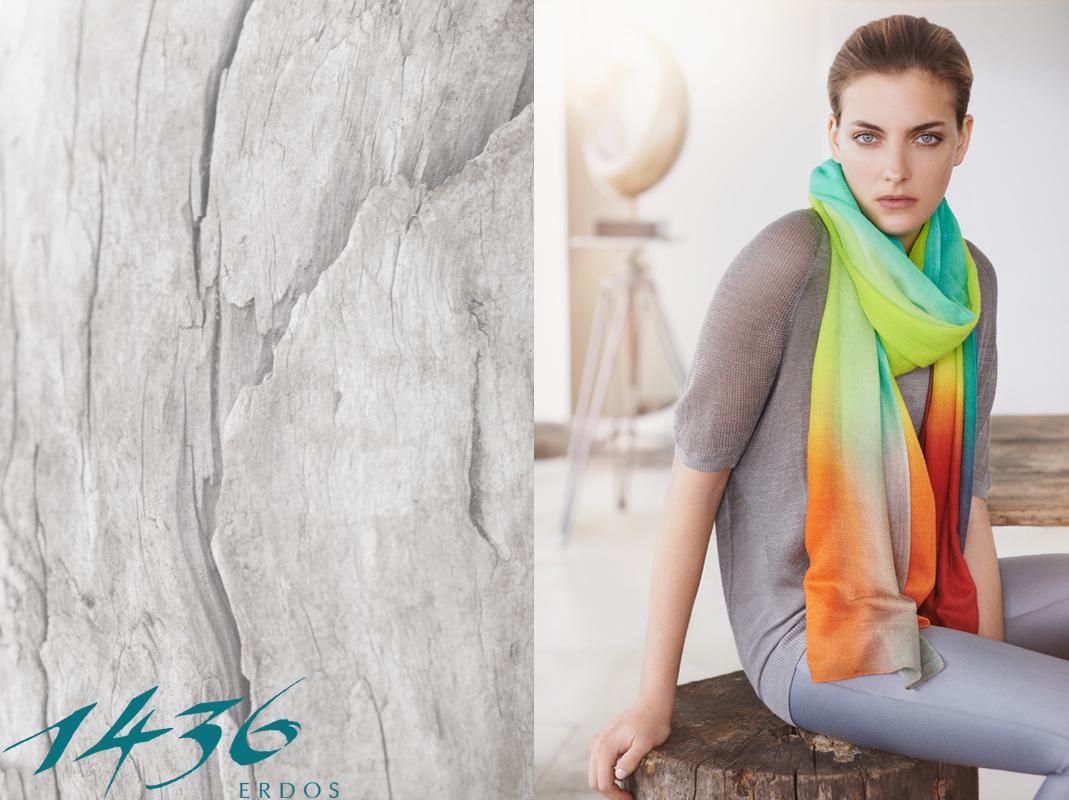
Erdos Group continues to make strides in the Chinese luxury fashion scene, with the recent inauguration of the 1436 flagship store in Shanghai, marking a significant expansion into eastern China. Following successful store launches in Beijing and Shenzhen, this establishment stands as the 15th specialty store for the renowned Luxury Chinese Fashion Brand. Unveiling its most characteristic design yet, this store embodies the essence of 1436’s commitment to quality and detail. In the competitive landscape of high-end fashion, Erdos Group strategically positions 1436 in the heart of the Shanghai market, recognizing its pivotal role in meeting the discerning preferences of customers who, as described by Wang Zhen, the general manager of 1436, demand unparalleled quality and attention to detail.

During the launch of 1436 in 2007, Kevin Yeung, the designer of the brand, explained that when a fashion brand is first launched, its visual identity (including logo, signature, colour, etc.) and the shop image are crucial as the apparel has not had time to build up its own reputation yet. Freeman Lau, another designer in charge of the brand’s visual identity, added that the clothes themselves are not enough to ensure the brand’s success, and that “it is vital to create a tasteful and luxurious shopping experience through a well-thought floor plan, lighting, displays and furniture.”

So, will the new flagship store satisfy the demanding Shanghai customers and develop the 1436 brand image as a luxury Chinese fashion brand? The coming weeks will tell, but it’s a good sign that the brand is paying attention to their visual identity in the Chinese luxury goods market.


  • SHARE
  • 
  • 
  • 
  • 
BACK

Sign up for our newsletter to get the latest insights, tips, and trends in branding, naming and innovation.

Related Article




Space Oddity: Exploring Parallel Brand Universes?

Decrypting the contours of a hyperactive consumption, embodied in a promise of escape and shaped by new brand values. Enter revenge buyingAnxiety, anticipation, envy, bor…

Year of the Dragon Reflections – How Brands Make Their Mark with Meaningful Celebrations this Lunar New Year 

As the Lunar New Year festivities draw to an end, it is an opportune moment to reflect on the significance of this annual celebration and its resonance, particularly in t…

BOUM, PAF, ZOOM, FIZZ–The Power of Onomatopoeia in Branding

Onomatopoeia refers to words that imitate the sounds they describe, such as "buzz" for bees. These sound-based words create vivid sensory experiences and can enhance bran…

Taking a Journey Mindset: The Facilitation Approach to Brand Innovation and Building

A global consumer goods brand was facing a challenge: Chinese companies were “innovating” much faster than their multinational counterparts, with new brands, new products…

Brand Implementation for White Goods in China

By Annie Bai Once a company has formulated their brand strategy and spent time establishing it within the company through brand engagement activities, they are then ready…

Semiotics vs. Semiology: What the Difference means to brands

In previous articles we have discussed semiotics as a powerful tool for product innovation and analyzing advertising. Using semiotics, brands can take advantage of codes …

Apple’s “iPad” Controversy Demonstrates Complexity and Importance of Protecting Brand Trademarks in China

In a recent development, Apple engaged in a $60 million settlement with Proview, a Chinese electronics company, over the "IPAD" trademark. Proview Technology (Shenzhen) a…

Enter the Brain: Exploring Neuroscience for Brand Innovations

As one of the pillars of today’s global economy, market research plays a fundamental role in defining brand innovations in product design and branding. Understanding cons…

Ready to take your brand to new heights?

Let's start a conversation.
  • NEWSLETTER
  • CAREERS
  • PRIVACY POLICY
  • Labbrand Group
  • Labbrand
  • Madjor
  • SpringPillar

* Will be used in accordance with our Privacy Policy

A Labbrand Group Company © 2005-2025 Labbrand All rights reserved

沪ICP备17001253号-3
  • Follow us:
  • 
  • 
  • 
  • 
  • 
  • 

Contact us to get the latest insights, tips, and trends in branding, naming, and innovation.

* Will be used in accordance with our Privacy Policy

Cookie Notice

To improve your experience, we use cookies to provide social media features, offer you content that targets your particular interests, and analyse the performance of our advertising campaigns. By clicking on “Accept” you consent to all cookies. You also have the option to click “Reject” to limit the use of certain types of cookies. Please be aware that rejecting cookies may affect your website browsing experience and limit the use of some personalised features.

Accept Reject