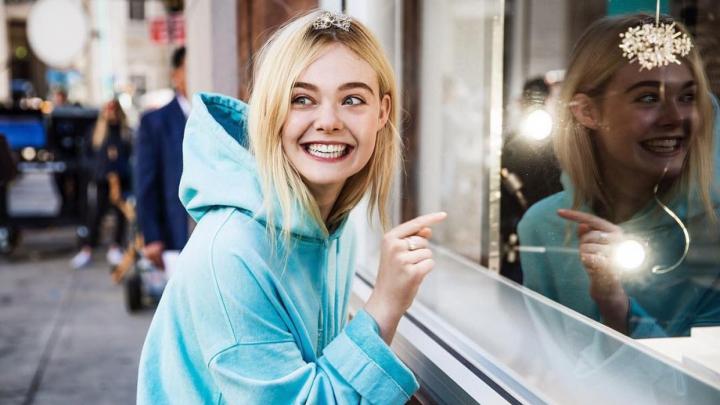

In November last year, the American-born luxury branding Tiffany & Co. (Tiffany for short) was acquired by LVMH Group with an incredible sale of $16.2 billion resulting in one of the largest acquisitions in the luxury retail business. As LVMH had bought Bvlgari under the group fold back in 2011, this grant purchase of Tiffany might enable it to rival Kering and Richemont Group, both other behemoths of the high-end jewelry industry.
LVMH paid such a high price for this well-known brand, underlining the confidence in Tiffany’s continuous influence on the luxury jewelry industry. By using the 4 Facets of Brand Positioning, let’s take a look at the legendary brand which countless people dream of.
When it comes to Tiffany, Audrey Hepburn’s elegant figure immediately comes to our mind, along with that beautiful song Moon River. In 1961, the movie Breakfast at Tiffany’s made the brand a blockbuster at that era, the scene where Hepburn was lingering outside Tiffany’s exquisite shop window has been a classic. From then on, Tiffany became popular around the United States, whose romantic and dreamy style appealed to hundreds of thousands.
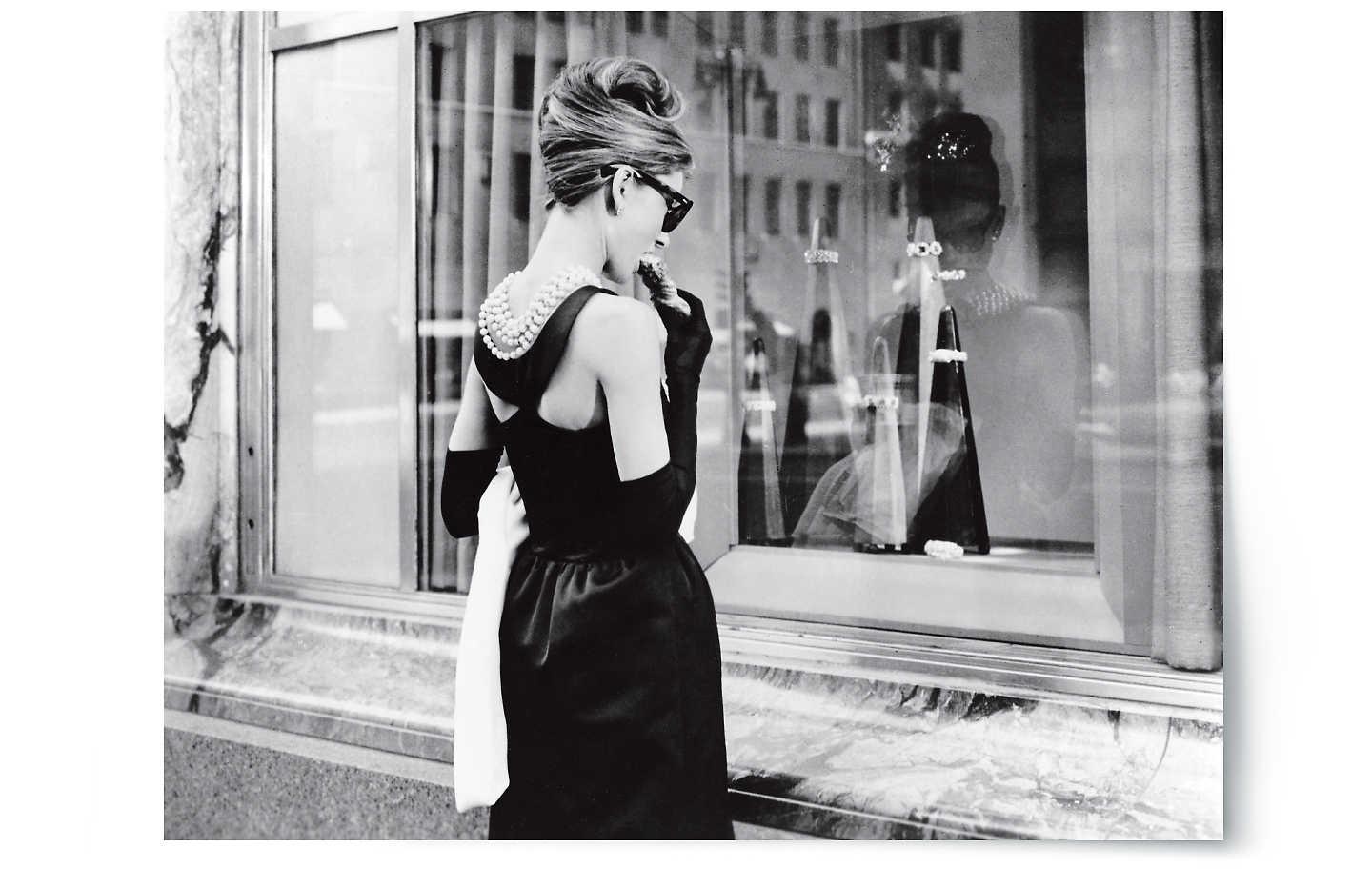
Movie scene of Breakfast at Tiffany’s (source: tiffany.com)
In the past few years, the American brand has faced a number of challenges, but its glamour won’t just fade away that easy. Tiffany has always been that incredible frontrunner in the American luxury industry.
In 1837, Charles Lewis Tiffany opened up his first specialty boutique on Broadway, New York. That’s where the dream took off. Since then, the company became an unprecedented legend achieving so many “First” along its journey, known as the “Tiffany First”. US’s first direct mail catalog “the Blue Book”(1845), New York’s oldest public clock “Atlas” (1853), America’s first stopwatch “the Tiffany Timer”(1866), and the signature engagement ring Tiffany® Setting(1886), are all great milestones of this strong brand.
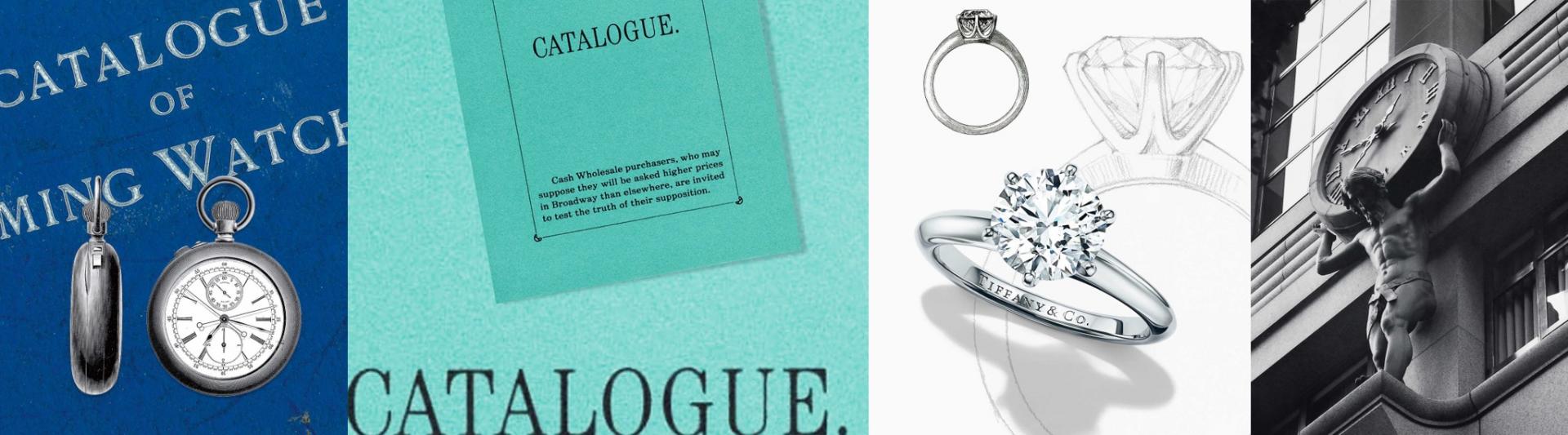
(Left to Right) The Tiffany Timer, The Blue Book, The Tiffany® Setting, The Atlas Clock (source: tiffany.com)
It is known to all that Tiffany has strong passion towards discovering rarest gemstones as well as exquisite craftsmanship, but what really distinguish Tiffany from its rivals are the legendary style, bold artistry and innovative designs.
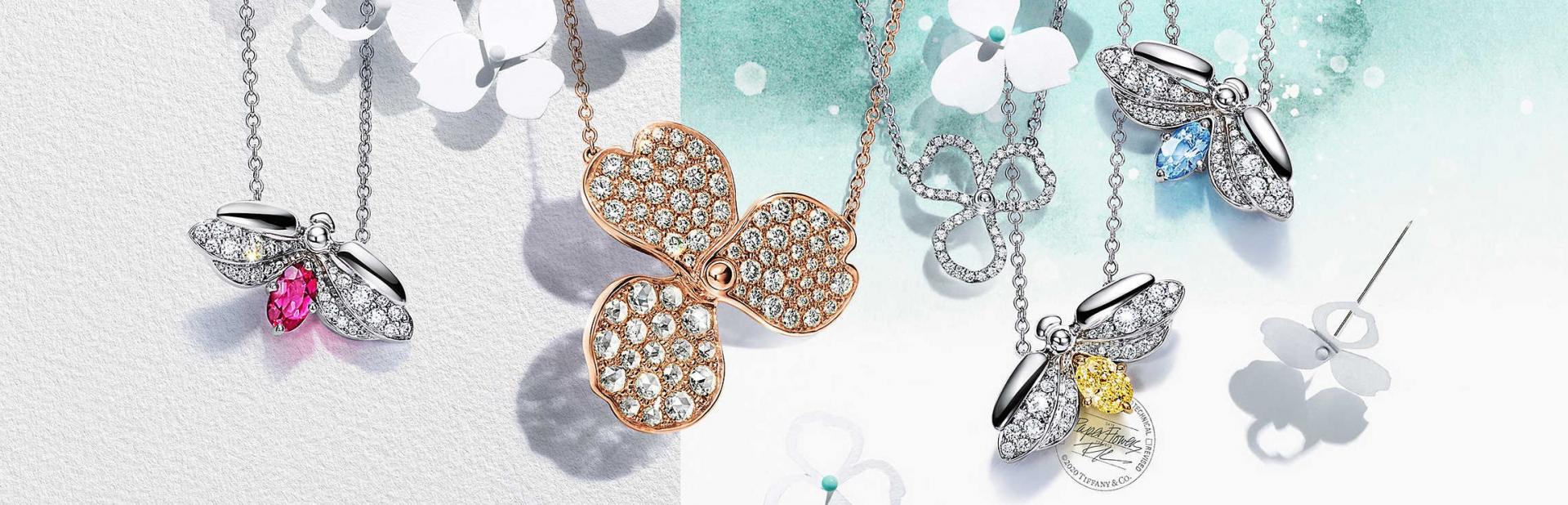
Tiffany Paper Flowers collection(2018) (source: tiffany.com)
Tiffany is not only a jeweler but also a “dreamer”. It makes consumers re-imagine luxury: Who says jewelry cannot be modern, youthful and unpretentious? Through Tiffany’s continuous innovations, the brand elevated sterling silver to luxury status and, more importantly, broadened the possibilities of how a jewelry brand can be part of our daily life—in fact every American carries a Tiffany design in their wallets. That’s because the Great Seal of the United States appearing on the dollar bill was re-designed by Tiffany in 1885.
Besides, Tiffany also produced the NFL Super Bowl Trophy in 1967 and created the NBA Championship Trophy in 1978. Tiffany becomes not only a representative of jewelry but also synonymous with American design.
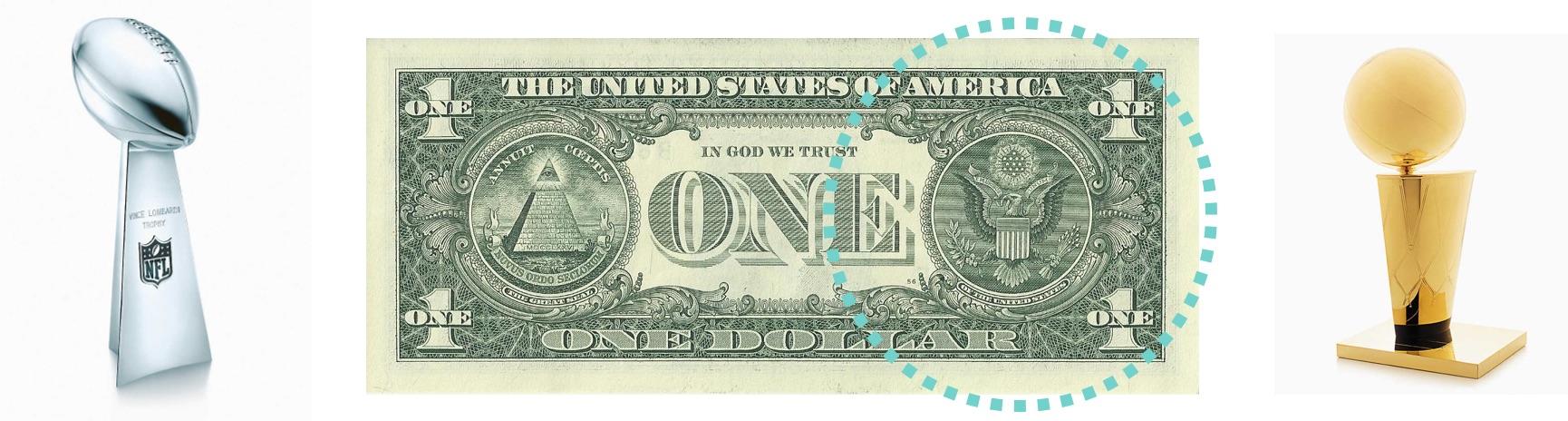
(Left to Right) NFL Vince Lombardi Super Bowl Trophy (1967); the Great Seal of the United States(1978); the NBA Championship Trophy (1885) (source: tiffany.com; commons.wikimedia.org)
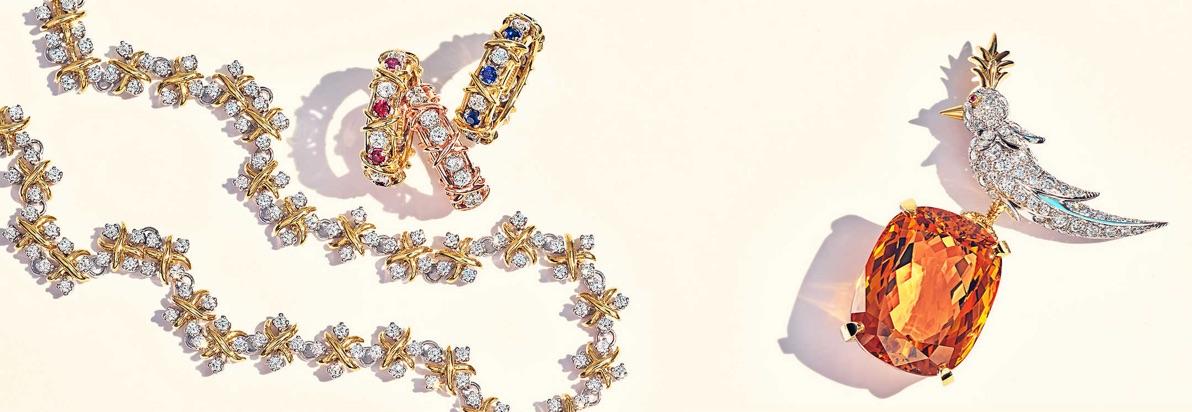
Tiffany & Co. Schlumbergers series (right: Tiffany Diamond) (source: tiffany.com)
Commonly luxury brands stand for status, ostentation, preciousness, but for Tiffany, “it’s all linked to special moments of your life”, according to Tiffany‘s CEO Alessandro Bogliolo. Tiffany focuses on discovering and exploring how jewelries better connect with consumers’ personal lives. Jewelry is not only a ceremonial gift, it also could be a gift for yourself, offering you courage and confidence, freedom and hope, and all about expressing your personality. “Dare to challenge the status quo, Dare to try that others dare not” is the internal criterion of this typical New York brand.
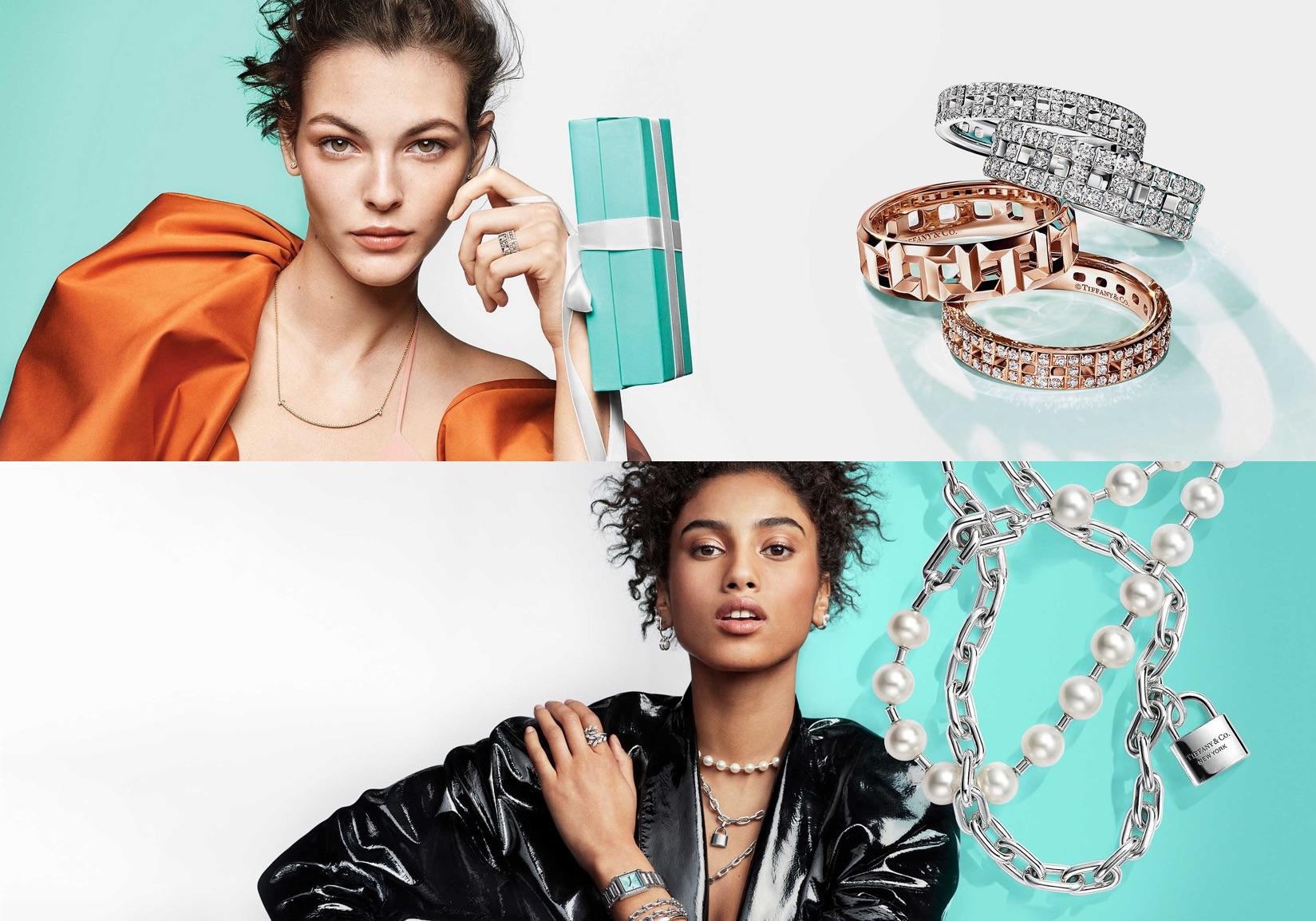
Top: Tiffany T; Bottom: Tiffany HardWear (source: tiffany.com)
In 2000, the brand established The Tiffany & Co. Foundation dedicated to protecting the conservation and the arts. The brand donates 100% profits from its Save the Wild collection to the Wildlife Conservation Network, showing its concern for wild elephants, rhinos and lions. Besides the dedication to making the world a better place, the brand acts smartly to keep up with younger generations by launching brand campaigns as the Blue Box Café (NY, HK, Shanghai) to the new Style Studio (London). With its corporate responsibility and sharp market sense, Tiffany is standing at the forefront of the industry.
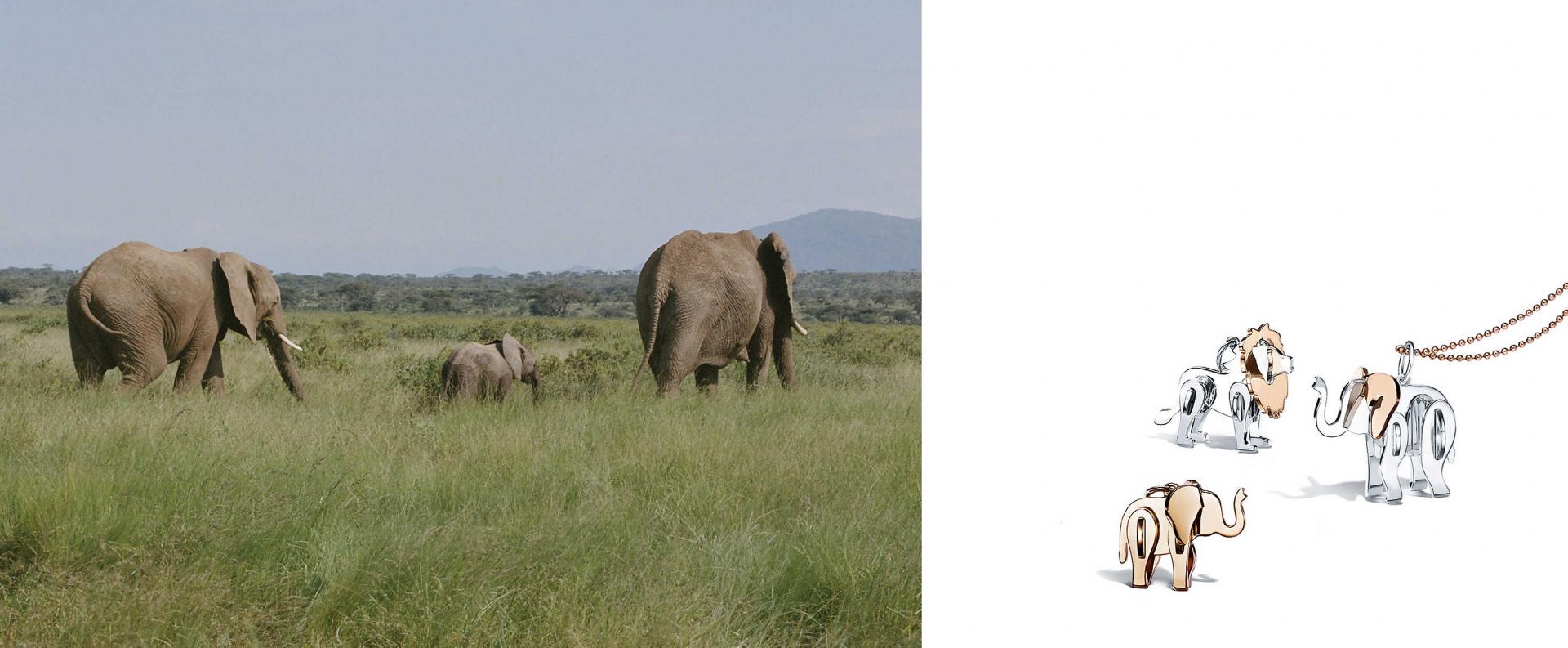
100% profits of The Tiffany Save the Wild collection are donated to the Wildlife Conservation Network (source: tiffany.com)
“Nothing bad could ever happen to you at Tiffany’s.” Said Holly, starring Audrey Hepburn, in the movie Breakfast at Tiffany’s. Holly is crazy about Tiffany, a magical world that could bring her endless joy and hope; and it’s the iconic Tiffany Blue, as a magic wand, that fascinates many people like her.
Most of us might be curious about the origin of this romantic color, actually it was first used as the cover color of Tiffany’s direct mail catalogue published in 1845 we’ve mentioned earlier, known as the Blue Book now. Since then, Tiffany Blue has been widely used in gift boxes, bags and any other promotional materials—the brand did not realize at that time that this color would become a symbol of romance and love today.
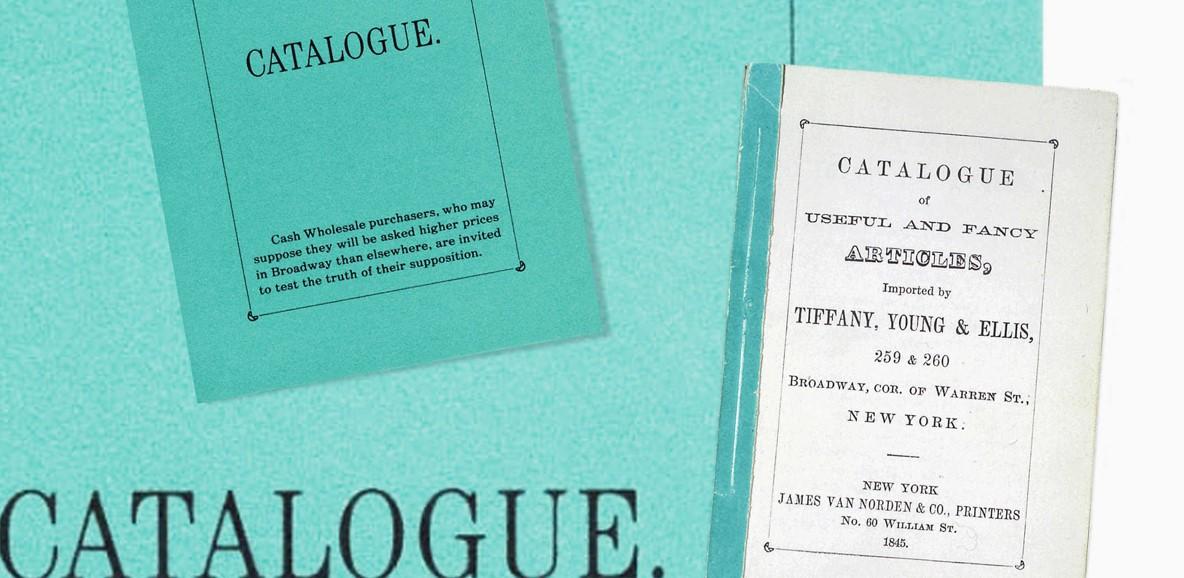
The Blue Book(1845) (souce: tiffany.com)
Besides the classic color, the iconic blue box has also enthralled the whole world with its style, sophistication and unparalleled design. The unique gift box is not like any other gift box that can be sold alone, you can only have it if you purchase a Tiffany design. You can’t help falling in love with this small magical box!
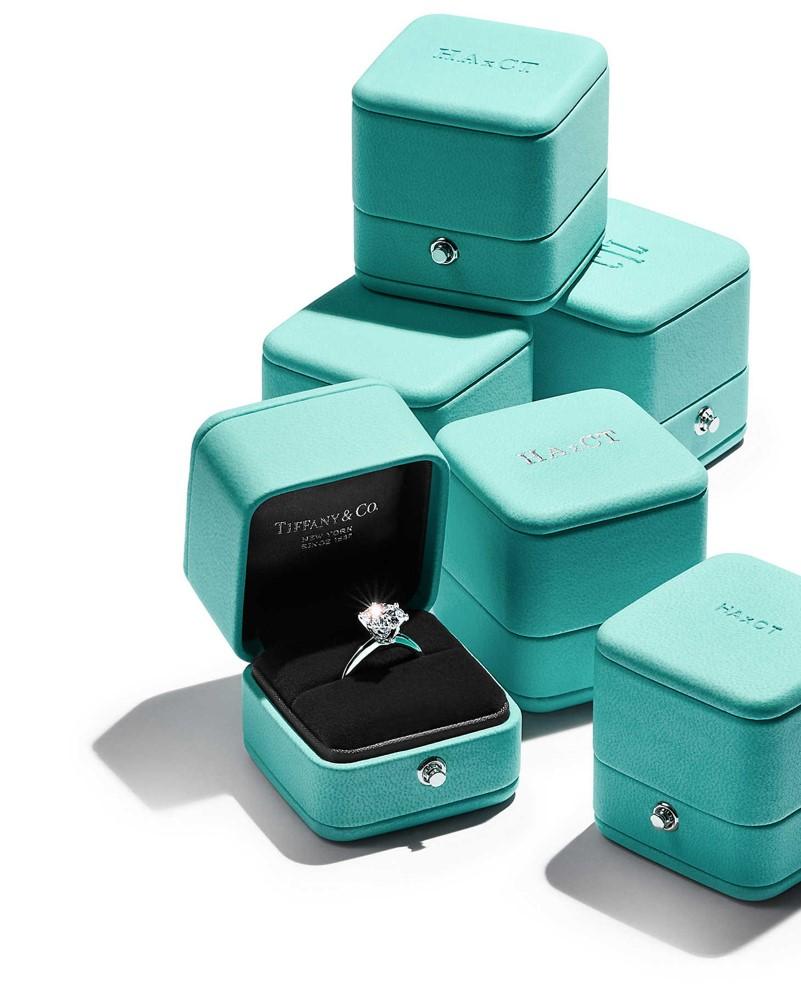
The Tiffany Blue Box (originally as the blue box packaging of the Tiffany® Setting) (source: tiffany.com)
In 2017, the brand surprised us by opening its very first Blue Box Café at its Fifth Avenue flagship store, enabling you literally to “have breakfast at Tiffany’s”. Following the young and modern style of the New York store, this Blue Box Café opened two more stores within the following 2 years, the last one in Shanghai even provides desserts inspired by Tiffany’s jewelries (e.g. Diamond Cheese Cake). However, to enjoy dining in this dreamy cafe, you need to at least make a reservation 6 months ahead of time. Yes, it is that popular.
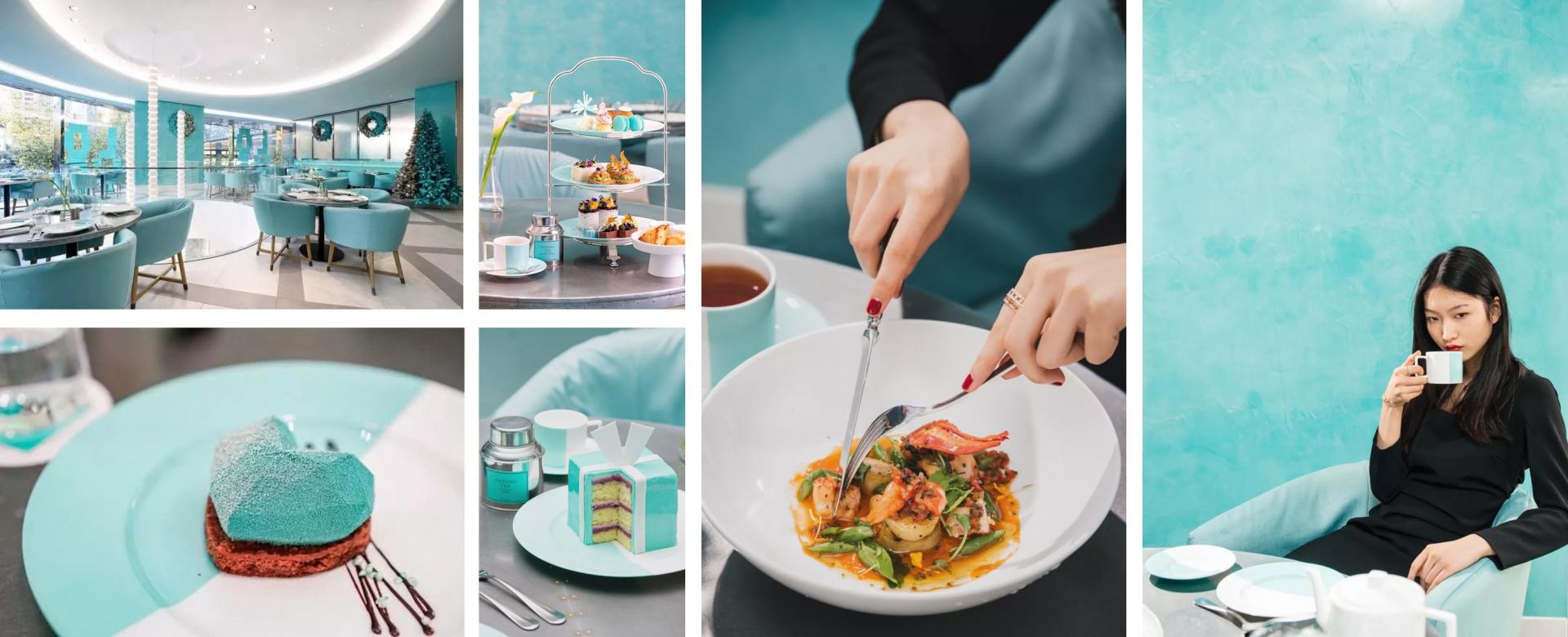
The Blue Box Café in Shanghai (source: toodaylab.com; new.qq.com; Shanghai WOW)
You can never imagine how this signature blue has become the most important touchpoint to Tiffany’s consumers. Tiffany Blue has been an essential brand asset which no brand has ever attained. In 2001, the company collaborates with Pantone to create the “1837 Blue” in homage to the iconic hue.
Tiffany is a timeless soul embedded with trendy smart ideas. Founded even earlier than Cartier (1847), Bvlgari (1884) and Van Cleef & Arpels (1906), the brand has always been sensitive to new trends, striving to bring surprises to consumers who desire freshness and novelties in its unique way.
As younger generations are now the leading force of luxury purchase worldwide, a series of smart storytelling has become Tiffany’s best branding effort to keep up with the Millennials.
Apart from the Blue Box Café, the brand’s first new concept retail store Style Studio made its debut in 2018 in Covent Garden, London. The store twists the general tone of luxury stores and brings a never-before immersive experience to visitors. Customers can express their own styles and personalities via custom creations for a one-of-a-kind piece. In the same year, Tiffany re-created the old song Moon River in partnership with Spotify to promote its Paper Flowers collection, which featured the young actress Elle Fanning and rapper A$AP Ferg.
Tiffany wants the younger generations to be captivated by the brand itself, not only by the new products, stores or brand campaigns. Last September, the brand held a first-ever special exhibition dubbed “Vision & Virtuosity” in Shanghai, with 6 chapters showing the most significant jewelry pieces and signature brand codes since 1837. With impressive displays of Hepburn’s original scripts in the movie, history of the Tiffany Blue Box, Holly’s little black dress reinterpreted by a Chinese sculptor, the ringbox chair at the conclusion for photo-shooting—all these parts dug into synergies between the brand and film, literature, fashion and pop culture, etc., which better echoed with the younger people who’re active on the social networks and willing to listen to intriguing stories.
Youthful and Creative as Tiffany, it understands “Being a young man first” is the key to understanding younger generations’ likes and tastes.
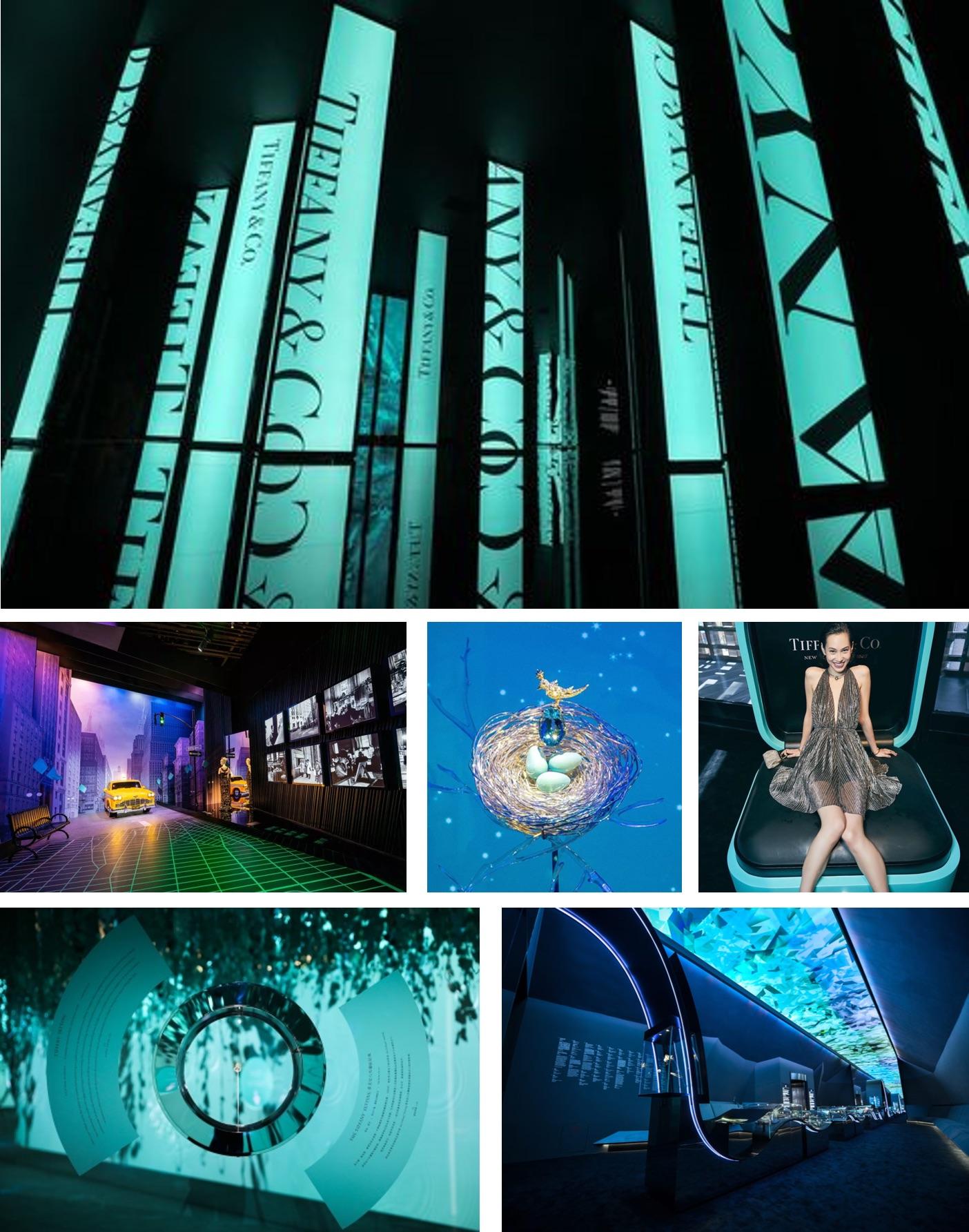
Tiffany’s Vision & Virtuosity Exhibition (source: fashionista.com; elle.com; prestigeonline.com; savoirflair.com; pikdo.biz; sohu.com)
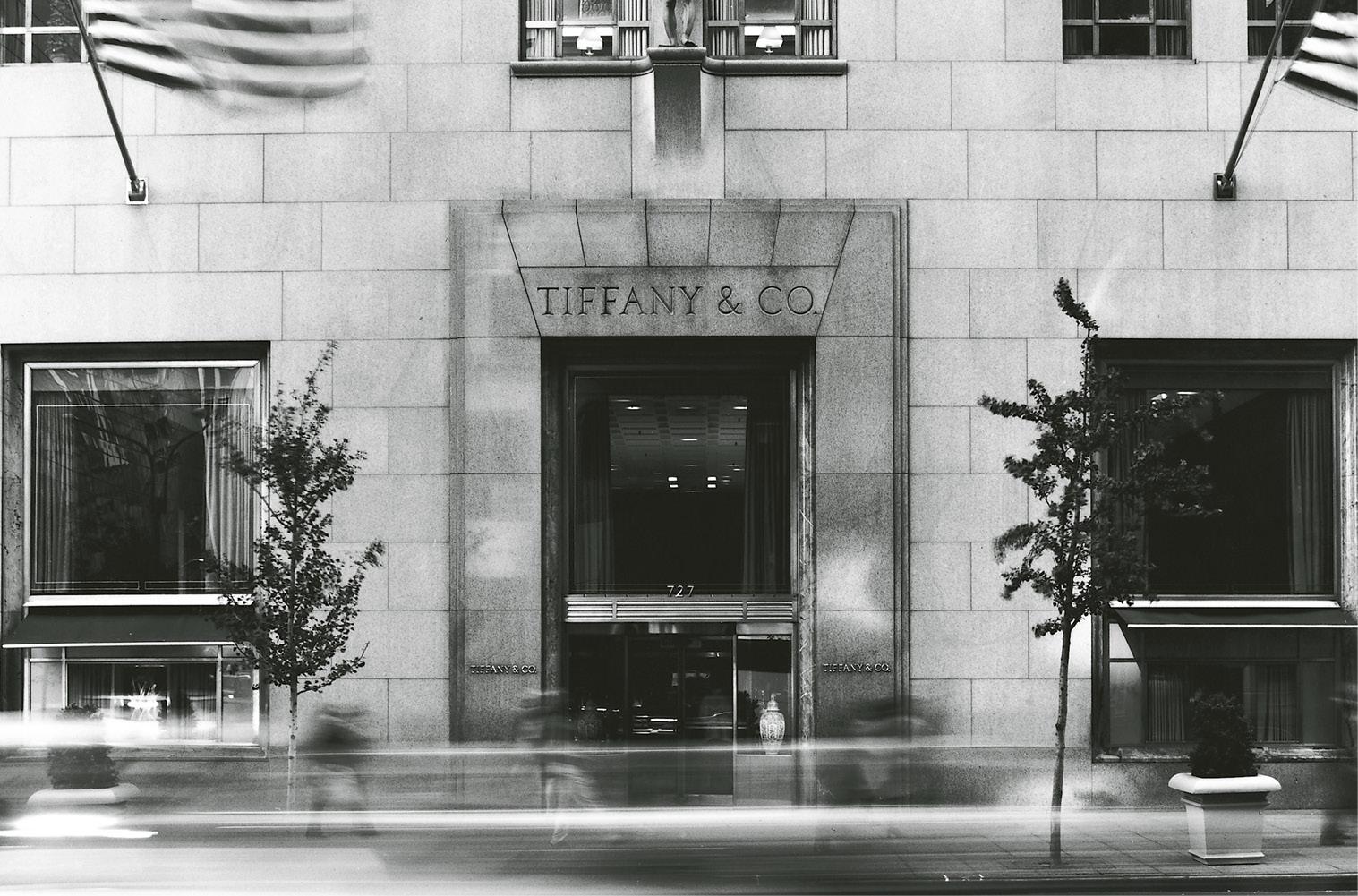
Tiffany’s Fifth Avenue flagship store in New York (source: thediamondloupe.com)
“Brand Rejuvenation” is commonly a focus of many world-class luxury brands and it is often achieved through re-interpreting the iconic heritage of the brands themselves, rather than directly via the newer products, newer platforms, or newer brand campaigns. Tiffany knows its unapparelled brand assets and equity the brand has established are the infinite sources for more innovative acts in the future.
Tiffany’s Fifth Avenue flagship store is undergoing a massive renovation at the moment, and is expected to open again by the end of 2021, as if the brand itself is undergoing a transformation. We look forward to the grand opening of this new store as much as we look forward to the next surprise brought by the magical blue.




To improve your experience, we use cookies to provide social media features, offer you content that targets your particular interests, and analyse the performance of our advertising campaigns. By clicking on “Accept” you consent to all cookies. You also have the option to click “Reject” to limit the use of certain types of cookies. Please be aware that rejecting cookies may affect your website browsing experience and limit the use of some personalised features.