
As we enter the new decade, everyone is trying to foresee the upcoming trends and become the top player in China’s huge and growing market. In the coming decade, China’s economy will undergo massive changes influenced by its booming middle class and major shifts in consumption habits. For foreign brands in China, here’s what’s most important to know. Being foreign is no longer enough to win consumers’ hearts.
The hyper pace of change in the last decade has led to a massive culture gap. Millennials and Generation Z have taken over the market, and they demand to be noticed. Most foreign brands realized long ago that they needed a good brand naming in China, but newcomers to the market have to adapt to new trends to stick. Creating a Chinese name might seem a daunting task. Don’t panic! We’re here to share a few tips on how to make your Chinese name stand out and strike passion.
If there’s one thing Gen Z is known for, it’s for living on their phones. They’re digital natives, and the easier it is to find the right character for your name among thousands of homophones on their mobile keyboards, the more likely they are to send it to their friends.
Don’t try to impress anyone using characters with tons of strokes or that are uncommon in daily language. In the best case, they will be mispronounced, in the worst case, they’ll be unreadable.
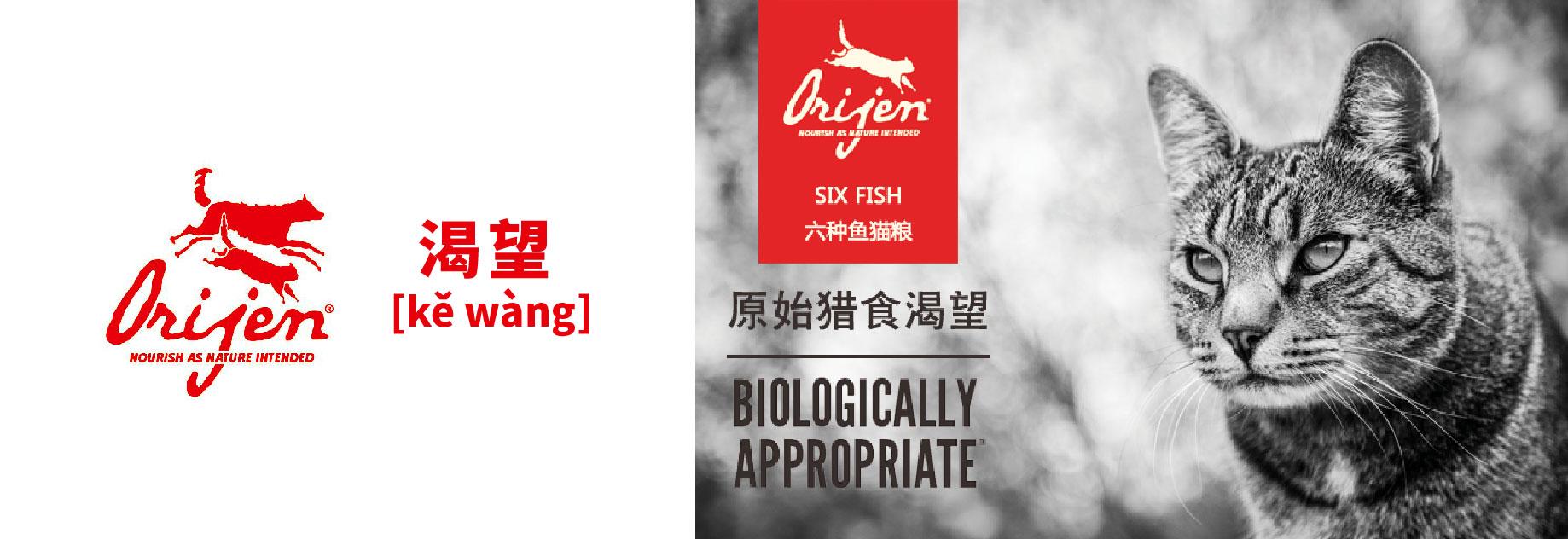
For example, pet food brand Orijen’s Chinese name 渴望[kě wàng] is a fixed phrase meaning “long for”. It is not linked to the alphabetic name by meaning of pronunciation, but the Chinese name is common expression that everyone knows. It is the first word appearing after typing on computer or phone its pinyin. This makes the name very easy to remember and communicate.
There’s always a story behind the setup of a brand. And the spirit and values advocated by the brands are the key to attract consumers especially GenZ consumers.
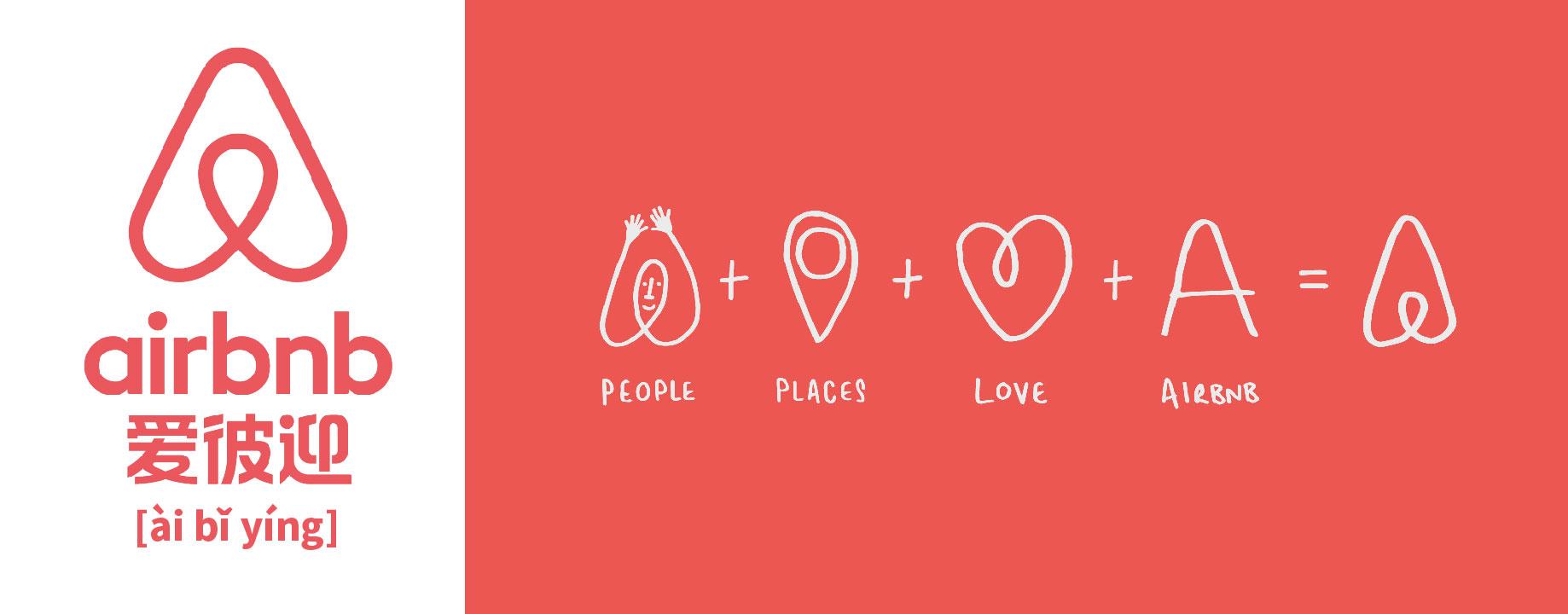
Airbnb is the global leading brand for home sharing. The name is the short version of “airbed and breakfast”, which was the experience of the founders themselves when they traveled. Airbnb came to Chinese market with mature business and a clear brand philosophy, which is to grow beyond home sharing and create a world where all 7 billion people can belong anywhere. Meaning “Welcome Each Other with Love”, the chosen brand name 爱彼迎 [ài bǐ yíng] perfectly conveys Airbnb’s unique brand vision. These three characters symbolize love (爱), people (彼) and places (迎), and when combined deliver the essence of the brand. On both a language and conceptual level, the brand naming in China aims to express “belonging” in a human, warm tone to Chinese travelers.
If the name sounds harmonious, Chinese speakers will remember it. But what does harmonious actually mean?
Chinese characters are pronounced in 4 tones which go up, down and sideways. It can feel like a jigsaw puzzle, but it’s not. To read harmoniously, the name needs to balance well the flow of the tones. It should also balance well sounds with open mouth and close mouth.
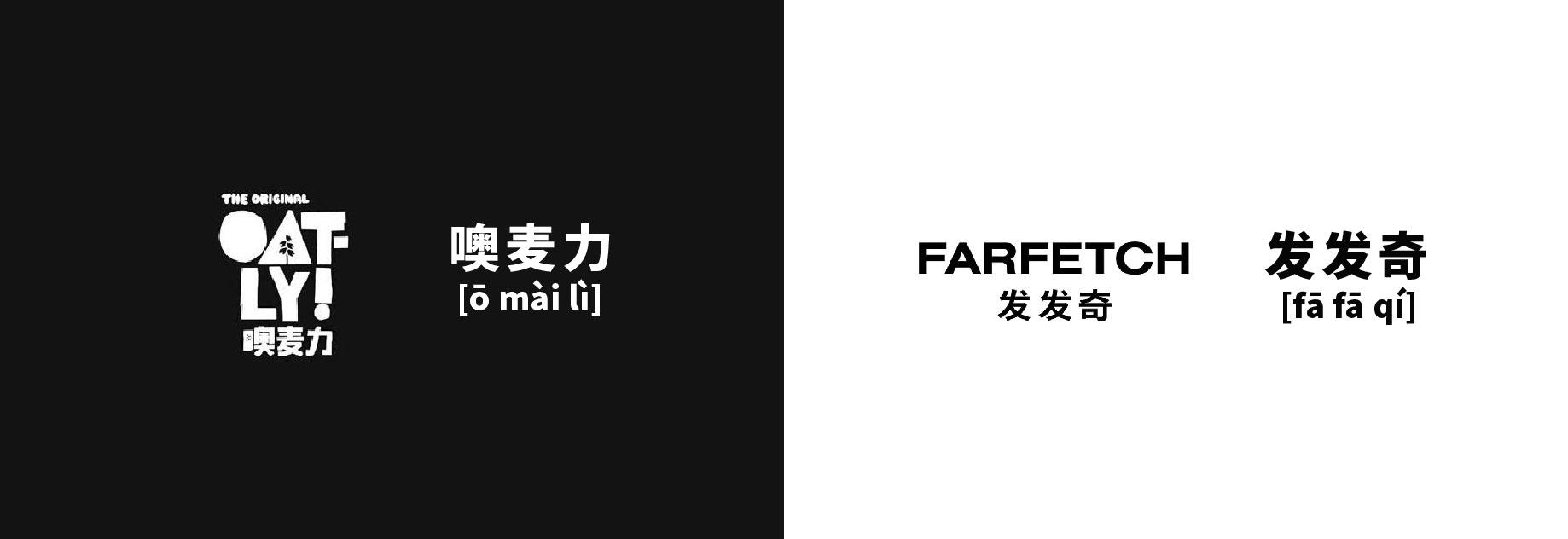
For example, Oatly’s Chinese 噢麦力[ō mài lì] (oh, wheat, force) reads loud with the first two characters and transit to the the last sound 力[lì] smoothly. It also resemble a bit the pronunciation of “Oh my God” and the Chinese phrase 卖力[mài lì]. These hidden connections make the name read more harmonious.
Farfetch’s Chinese name 发发奇[fā fā qí] (rich, rich, amazing/unique) starts with two flat tones and ends with a rising tone, reading very fluently. The rising end also brings a positive feel. And the repeating of Fa adds a rhythmic tempo to the name.
A fun name often captures the attention immediately. It’s born with hot spot for communication. Fun could be reflected by the meaning or the naming technique. Farfetch’s Chinese name 发发奇[fā fā qí] (rich, rich, amazing/unique), mentioned above, is also a good example as a fun name. 发 is a colloquial expression in Chinese to express “get rich”, normally not used in formal context. But the brand boldly applies 发 in the name, expressing “elegance” (Farfetch is an e-commerce platform for luxury fashion) in a “tacky” way. This creates a fun effect that leaves deep impression to consumers.
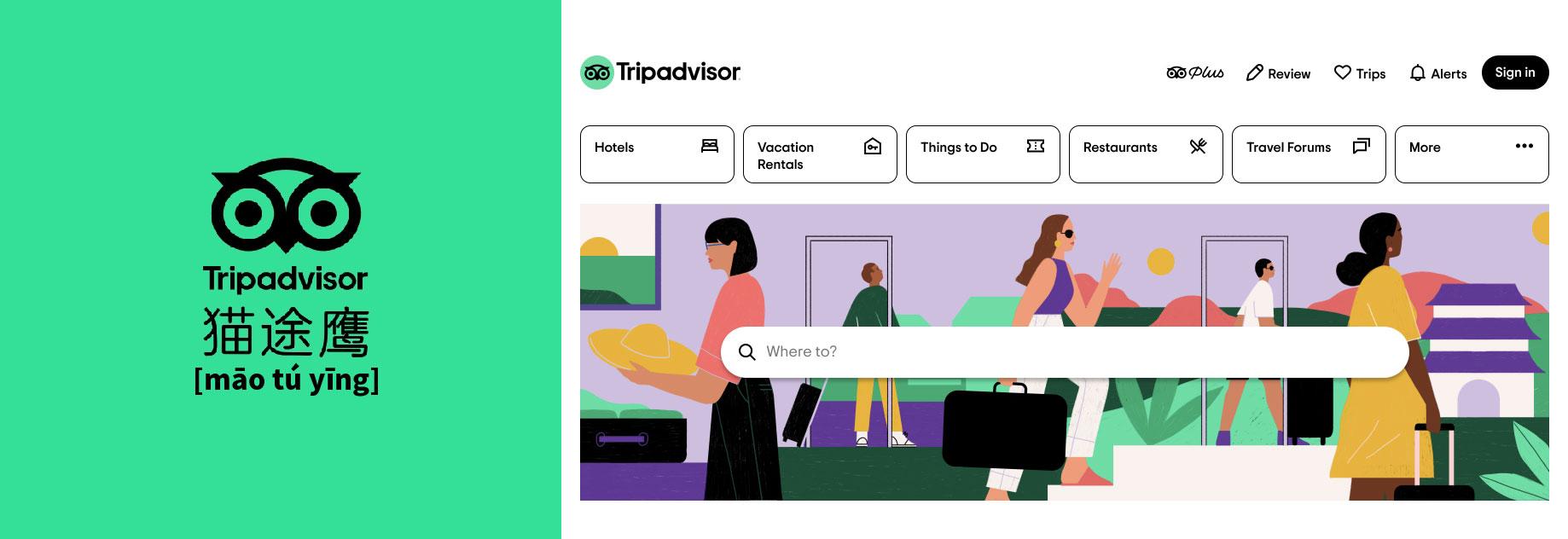
Online traveling platform Tripadvisor is called猫途鹰[māo tú yīng] in Chinese (twist of owl in Chinese which literally means cat-head eagle). It is memorable as it reflects the image of an owl and corresponds perfectly to brand’s icon logo featuring two big eyes of an owl. After a second look, you’ll find 途 replaces the original middle character 头 in the name . This not only shows the brand’s deep understanding of Chinese culture but also relates well to the business. It is a name memorable at the first sight and carries fun techniques.
Remember, an ideal brand naming in China should connect well the brand and Chinese consumers, and makes the brand communication more easily and effectively. Now that you know the secret to create a good Chinese name, doesn’t it feel like the time for you to make the big leap?




To improve your experience, we use cookies to provide social media features, offer you content that targets your particular interests, and analyse the performance of our advertising campaigns. By clicking on “Accept” you consent to all cookies. You also have the option to click “Reject” to limit the use of certain types of cookies. Please be aware that rejecting cookies may affect your website browsing experience and limit the use of some personalised features.