
As the global effort to contain COVID-19 unfolds, uncertainty about our collective future remains prevalent. What is almost certain is the consequential economic impact and the enduring psychological effects on consumers worldwide. Explore the imperative of developing a robust post-crisis brand strategy in the face of these challenges.
Brands need to reconfigure gears right now. Especially for global brands, it’s never too soon to start forming a post-crisis brand strategy. And judging by what we have seen thus far, there are a few hypotheses that brands should immediately start to contemplate.
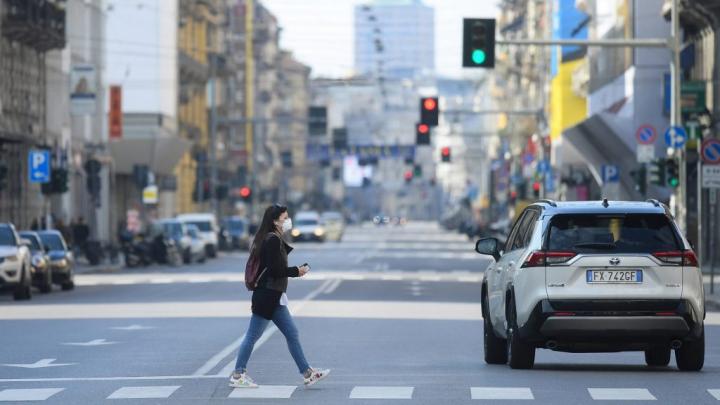
With people weary of travel domestically and globally, thousands of flights canceled worldwide and countries closing their borders, the travel and tourism industry is arguably one of the hardest hit sectors. On the other hand, with densely populated cities being put into lockdown and public transportation being shut to curb the viral spread, there’s also a growing need and urgency amongst people who want to take (back) the liberty of mobility by driving cars to simply get around the community.
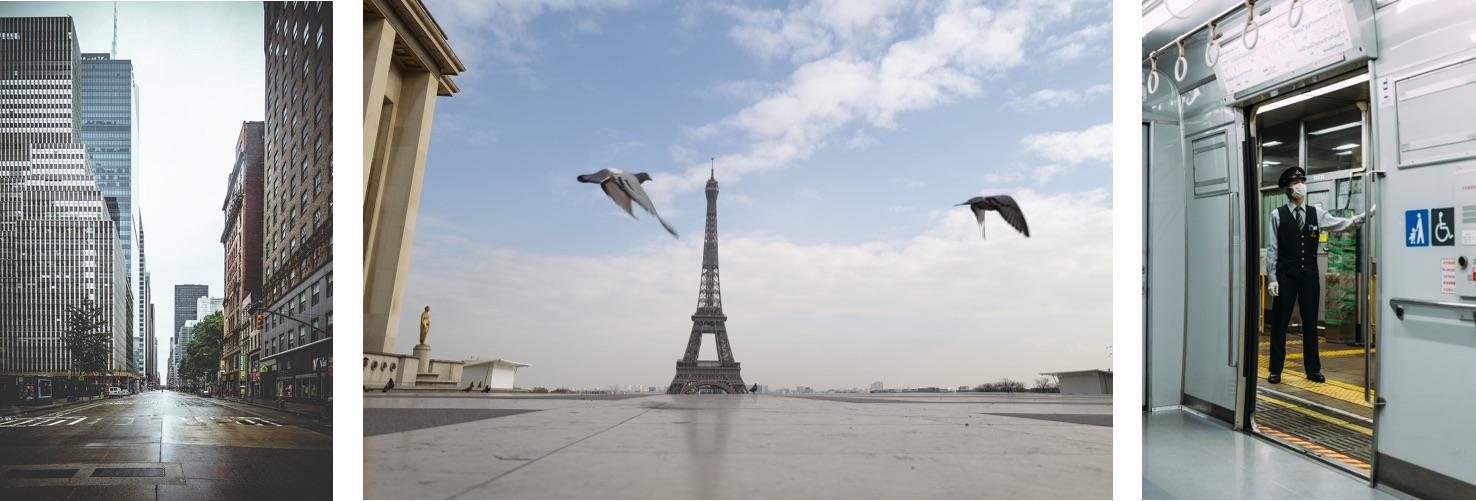
The travel and tourism industry is arguably one of the hardest hit sectors (source: scmp.com; Unsplash)
Amidst the ongoing health crisis, the concept of mobility is undergoing a transformative shift, impacting individuals and shaping the future of our society. This change towards a community-based and experience-oriented realignment has been gaining momentum, challenging the conventional narrative of exploration and adventure. Quality of life is now linked to a shorter commute, remote work opportunities, and a closer-knit community with shared interests and values. Explore the evolving landscape and the imperative of adapting to a post-crisis brand strategy aligned with these shifting perspectives.
For brands, the concept of mobility is becoming less about getting from A to B, but more about the emotional needs of having a nice experience and getting a sense of liberty, not by how much distance one travels, but by how much freedom and independence that experience bestows against social traps like having to commute from here to there to go to work, having to pay higher rent to get the experience of a big city, and right now, having to readjust life due to the pandemic.

People working remotely and exercising at home (source: goodcore.co.uk; shape.com)
Guess which start-up company in the U.S. has been repeatedly cited as a potential beneficiary of the novel coronavirus? It’s Peloton, the New York based company whose main product is a stationary bicycle, with a price tag of at least US$2,245, that allows users to remotely participate in spinning classes. Though the company has received its fair share of skepticism over the years, it should not be overlooked that people’s ideas about the very concept of home and what role home plays in a person’s life have been gradually changing. The shift from “downtime nest” towards “uptime hub” will only accelerate when more people who have the luxury of teleworking opt to stay at home to work remotely, to continue physical exercise, and to go about their usual activities that are supposed to happen outdoors during this crisis – from exercising at the gym to a cluster of home-fitness brands like Peloton, Mirror, and Tonal; from traditional home gaming console to fitness-driven and modular Nintendo consoles started with Wii and made popular by Switch and its Ring Fit Adventure offering; and from gourmet experiences at restaurants to meal delivery and meal kit services like Seamless and HelloFresh; and the list goes on.
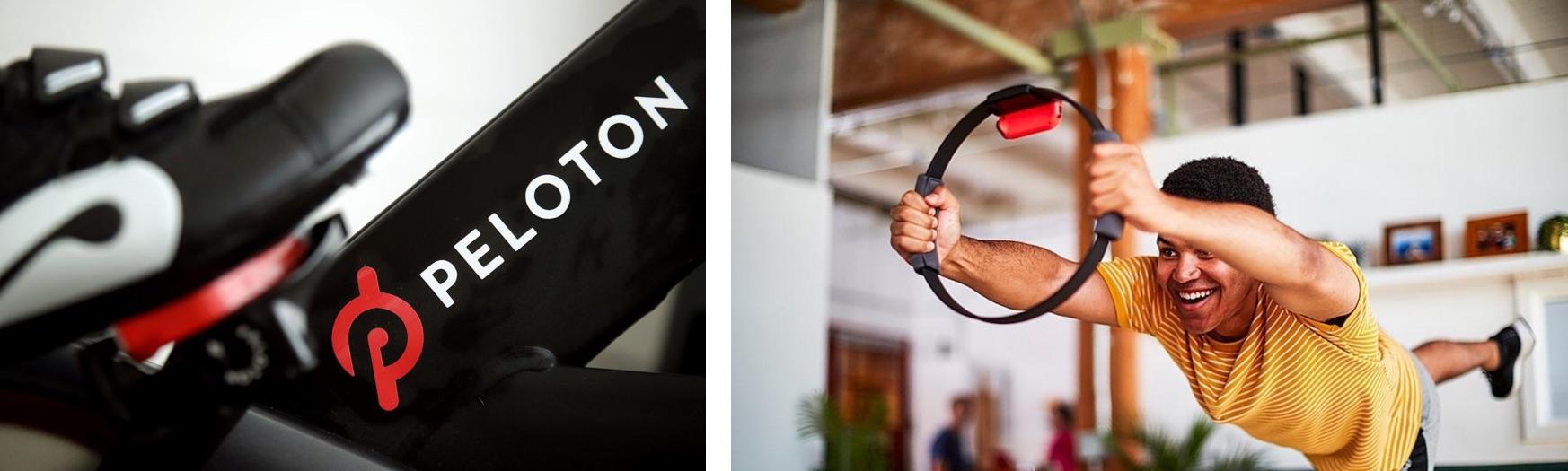
Home fitness brand Peloton; Nintendo’s Ring Fit (source: Inc.com; pcmarket.com)
While it’s way too soon to declare beneficiaries or even winners out of the crisis provided that there would be any, the thought of how brands have re-imagined the concept of home over the years is still startling as homes are becoming hubs.
From Hong Kong, to the U.S., and even Australia, one of the most unexpected sought-after shelf items amid the coronavirus panic hoarding is toilet paper. While it may not have a connection with the need to self-protect as directly as face masks or sanitizers, psychologists and behavioral economists are citing toilet papers’ necessity and long shelf life for its instant global celebrity. Given that we live in a world that has been for decades dominated by hyper-consumerism, a concept that can be simply defined as “consumerism for the sake of consuming”, it seems extremely refreshing and ironic to hear the necessity and long shelf life argument being leveraged for the value of a product.
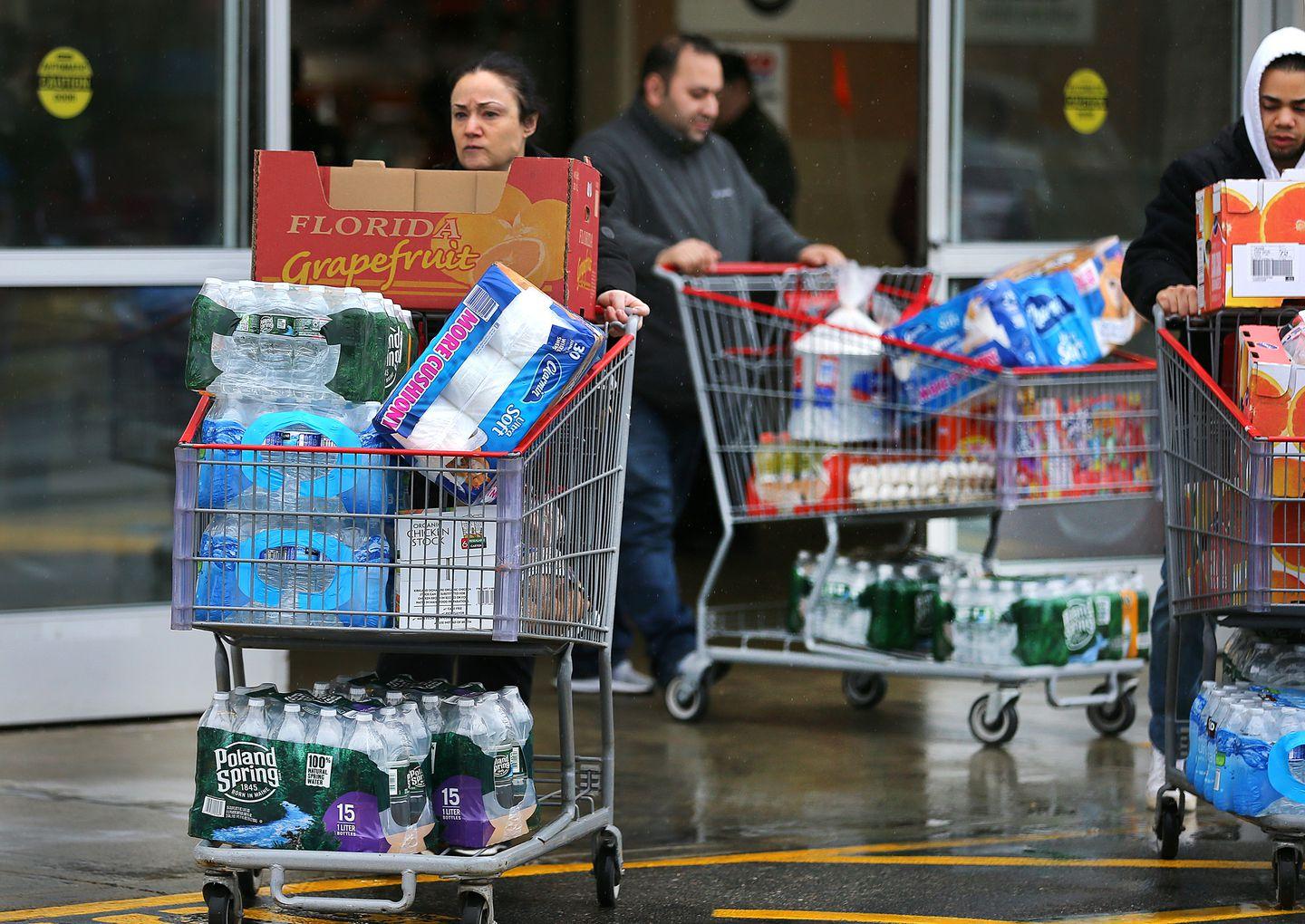
One of the most unexpected sought-after shelf items amid the coronavirus panic hoarding is toilet paper (source: bostonglobe.com)
We may have finally arrived at a tipping point where sustainability and waste-cutting are no longer just talking points but something that requires brands to take collective and imperative actions, especially when consumer confidence worldwide is being rattled, and this is no time to rely heavily on the spending power of Chinese consumers anymore. It’s time for brands to pivot the focus from generating instant gratification and impulsive spending to a model of delayed gratification and sustained emotional connections. For example, while the fashion industry has been at the epicenter of wasteful production and consumption, movements led by conscious brands did find notable success exemplified by Everlane’s timeless style and durable texture offerings as well as Rothy’s use of “upcycled” materials.

Everlane (source: altaviawatch.com)
In the wake of the unprecedented coronavirus pandemic in 2020, the profound and unforeseen impact underscores our global interdependence and connectivity as citizens of the world. This momentous event has led to a confluence of intellects and megatrends that transcend country, race, gender, and religion. One such transcendent trend is “conscious consumerism,” where consumers, in their pursuit of a deeper connection with brands, shift their focus from the final product to the intricate story behind its making. This encompasses the people involved, the quality of ingredients, and the intricate processes employed. As brands navigate this new landscape, the emphasis on storytelling and transparency becomes pivotal, shaping resilient post-crisis brand strategies that resonate with the evolving values and expectations of a connected global community.
However, brands are often too parochial in the view of the trajectory and dependent variables that are key to their success. Owing to this, brands often don’t consider the context of choice; not just within the category but within the larger societal base and the impact of global cultural confluence. To truly understand and cater to the changing priorities and behavioral shifts in the face of crisis and fear, brands have to rethink the way we have traditionally aimed at understanding consumers:
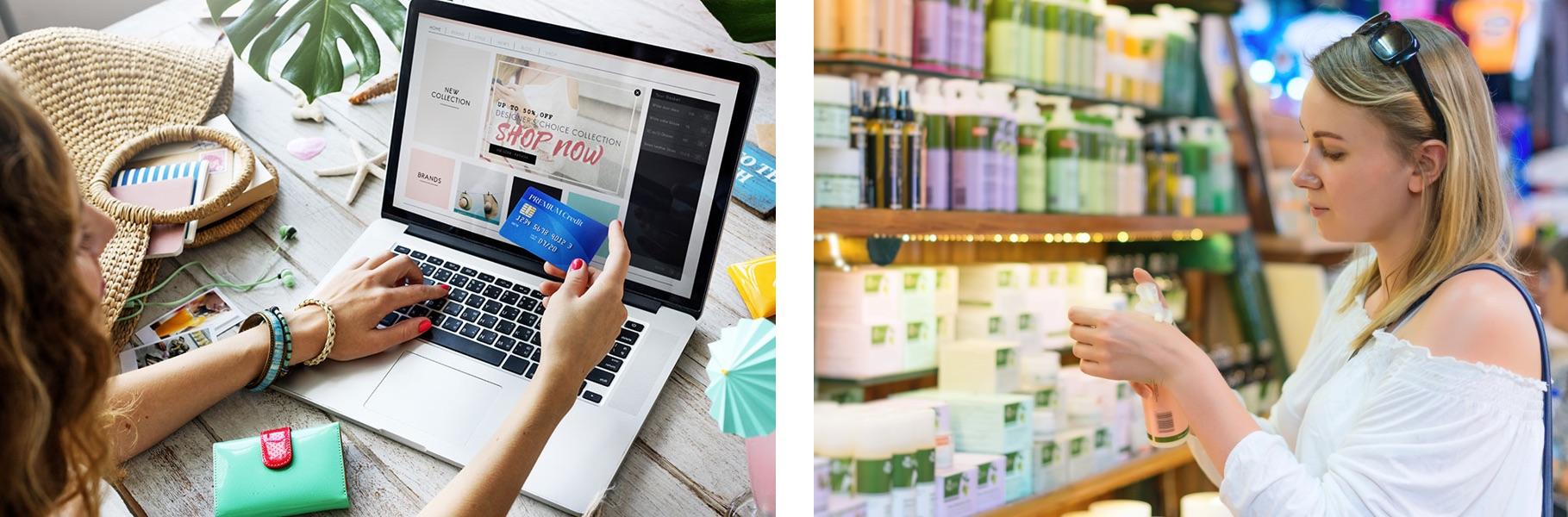
Brands need to keenly observe the consumers’ life habits (source: dcba.lacounty.gov; ewg.org)
We are keen to see how this story unfolds and the lasting impact this pandemic leaves on us as global citizens and consumers, and help brands best communicate relevance and value in these challenging periods. And brands, in this unusual time if not always, should more than anything let humanity, compassion, and empathy lead their decision-making.




To improve your experience, we use cookies to provide social media features, offer you content that targets your particular interests, and analyse the performance of our advertising campaigns. By clicking on “Accept” you consent to all cookies. You also have the option to click “Reject” to limit the use of certain types of cookies. Please be aware that rejecting cookies may affect your website browsing experience and limit the use of some personalised features.