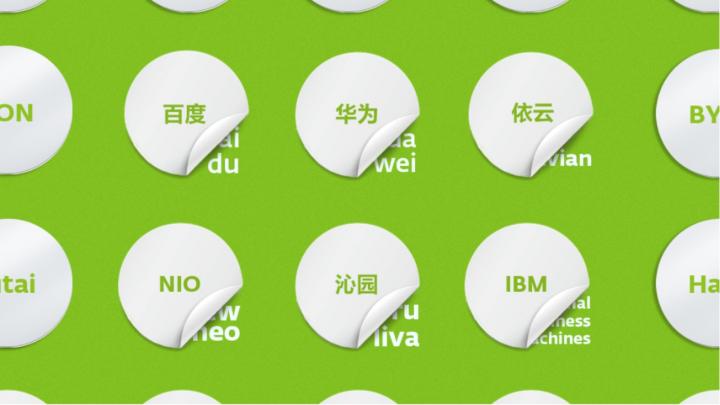

As a big fan of The Three Body Problem trilogy, I start to read again this novel these days and feel impressed by a description about human civilization by Trisolarans: it took 100 thousand years for human society to develop from hunting era to agricultural era; but only several thousand years from agricultural era to industrial era; from industrial era to atomic age, 200 years; from atomic age to information age, only several decades. I found this description also applicable to the development of China’s economy and Chinese brands. In the past half century, China’s economy achieved an incredible growth. From 1952 to 1970, China’s GDP increased by 3 times; from 1970 to 1990, 8 times; from 1990 to 2010, 22 times. (Source: www.stats.gov.cn). Meanwhile, some Chinese brands start to take important shares in global market. Chinese brands start to appear in Best Global Brand billboard since 2014 (Huawei, Lenovo). How to build an effective global brand becomes an important topic. Naming is the first step of brand building. As Chinese consumers, we feel it’s normal that foreign brands create Chinese names. When Chinese brands go abroad, what’s a good Chinese brand naming strategy? Let’s check out how large globalized Chinese brands name themselves in the oversea market.
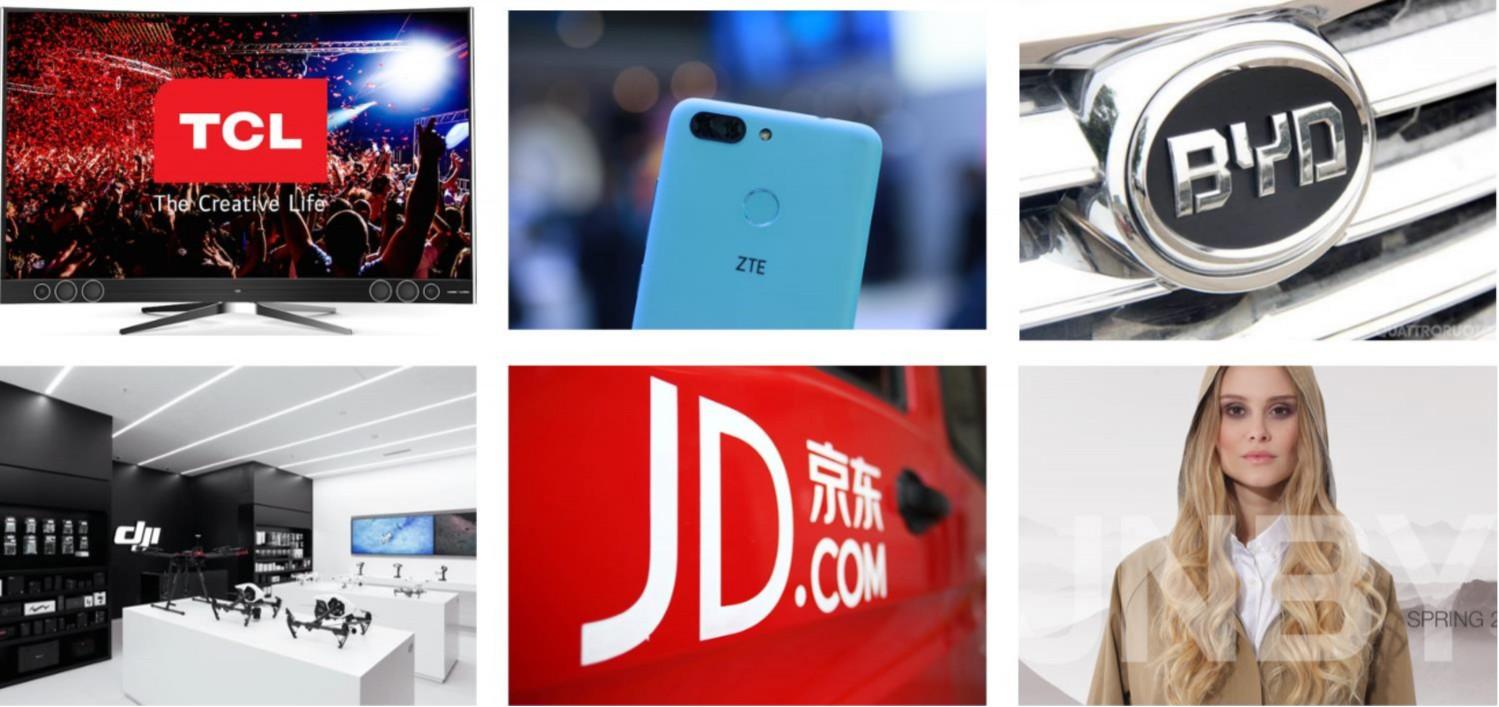
Many Chinese brands favor acronym, which comes from a phrase or sentence. It is a common type of alphabetic name used in global market. The most well-known acronym brand is IBM, which stands for International Business Machines. Chinese acronym brands include TCL, ZTE, DJI, BYD, etc. TCL originally comes from Telephone Communication Limited. People also interpret it as Today China Lion nowadays. ZTE’s full version is Zhongxing Telecommunication Equipment. DJI is the acronym of Da Jiang Innovation. BYD stands for Build Your Dream. In most cases, acronym carries no meaning by itself. It has an advantage in being short and easy for communication. But it lacks brand attributes and messages. Therefore, acronym always feels rational and technical without emotion, like a code. This explains why tech and auto brands tend to use this type of name. Since acronym cannot bring out emotional messages, brands who use acronym as brand name sometimes leverage product names to build the emotional connection with consumers. The product names under DJI are often meaningful words such as Phantom, Zenmuse, Matrice, which conveys product features such as flexible, intelligent, broad view. The meaningful Chinese brand naming strategy is good complements of the abstract acronym of the brand. Together they form an effective nomenclature.
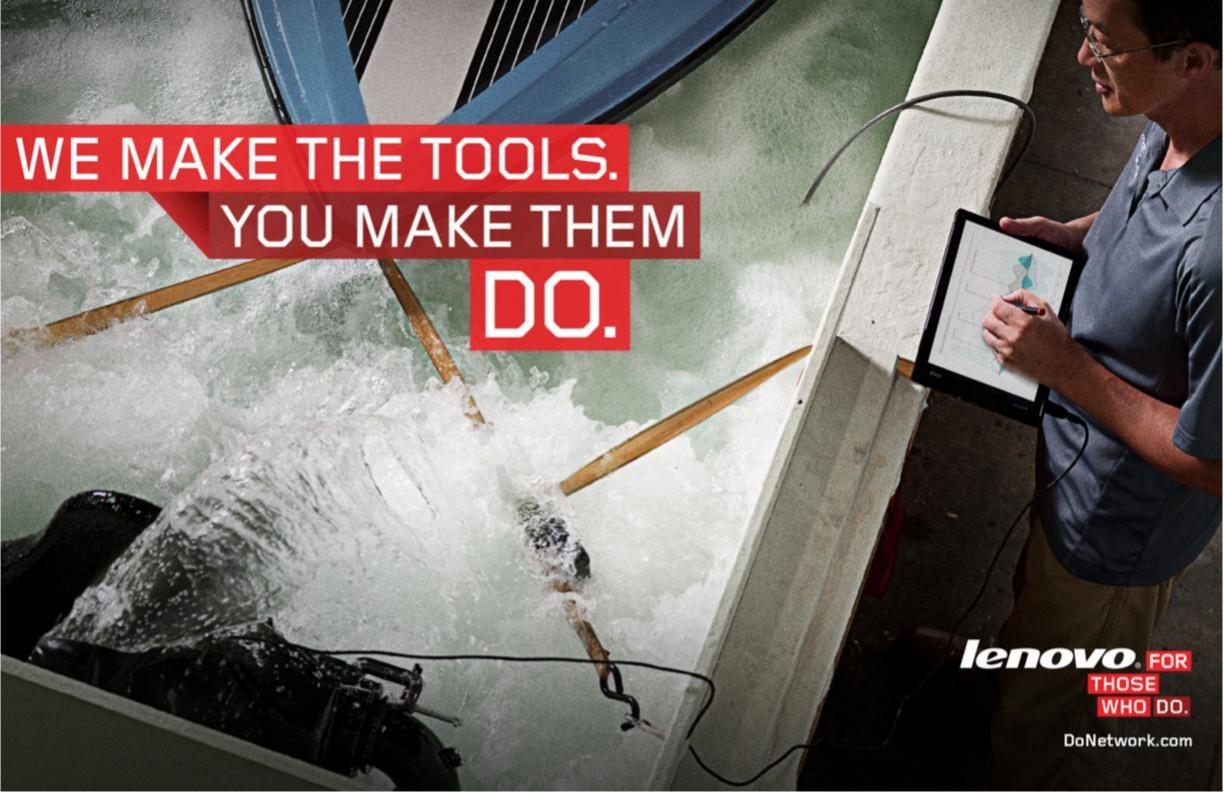
Pinyin was introduced and implemented in 1950s. Pinyin system contributes greatly to the popularization of Mandarin, in a global scale. And can be perceived as the “globalization” of Mandarin/Chinese language. Many Chinese brands use Pinyin name for global market including: Huawei, Haier, Moutai, Baidu, etc. These names are simple and easy for foreigners to pronounce. So they are well accepted in the global market. But not every Pinyin name is suitable to be a brand name. For example, the Pinyin of Lenovo’s Chinese name is Lianxiang. Compared with Lenovo, Lianxiang is much more difficult for foreign consumers to read. As the syllables do not follow western language habits, foreigners are likely to pronounce it as “Li’An’Xi’Ang”. For Chinese consumers, Pinyin equals to the Chinese name that carries meaning. But Pinyin does not carry the same meaning and sometimes have next to no meaning in the eyes of foreign consumers. For example, foreign consumers do not understand Huawei as “China, great achievement”. In some worse cases, Pinyin name could be associated with negative connotation. Hongqi is pronounced as “Honky” in English, which is a disparaging term used by black people to call white people.
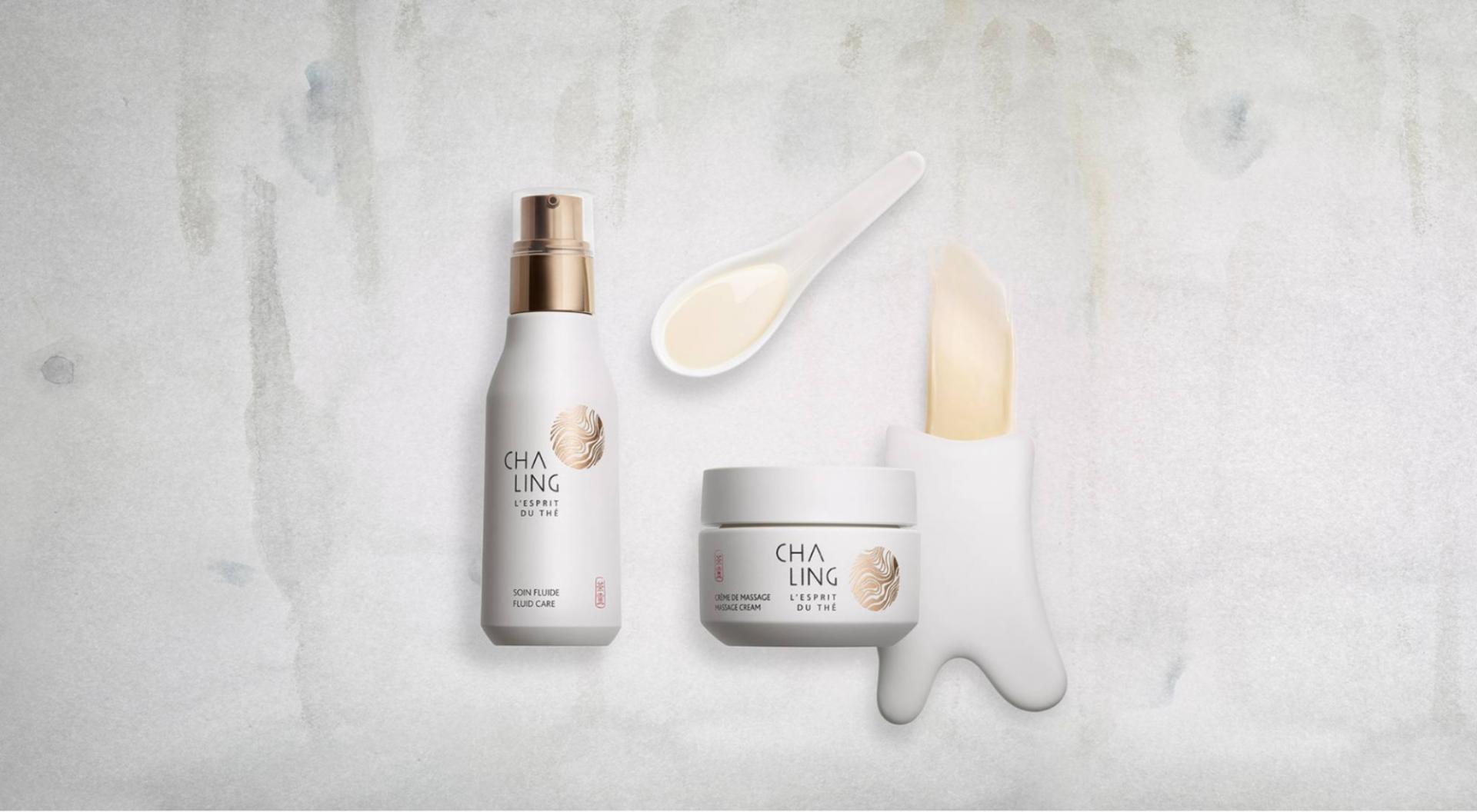
The advantage of Pinyin name is keeping the consistency with the Chinese name in pronunciation. Pinyin also conveys a strong sense of Chinese culture. It is a good brand naming strategy that want to emphasize or promote Chinese culture. Even some international brands adapt such a strategy. For example, Hermes Group launched SHANGXIA (meaning “up and down”), a luxury lifestyle brand rooted in Chinese craftsmanship and rejuvenated traditional culture. LVMH launched CHALING (meaning “tea spirit/soul”), a high-end skincare brand featuring the essence of Pu’er tea.
A Pinyin name has the potential to represent a brand in global market well. The key is to make sure the pronunciation fits the foreign language habit and the meaning or connotation fits the brand tonality.
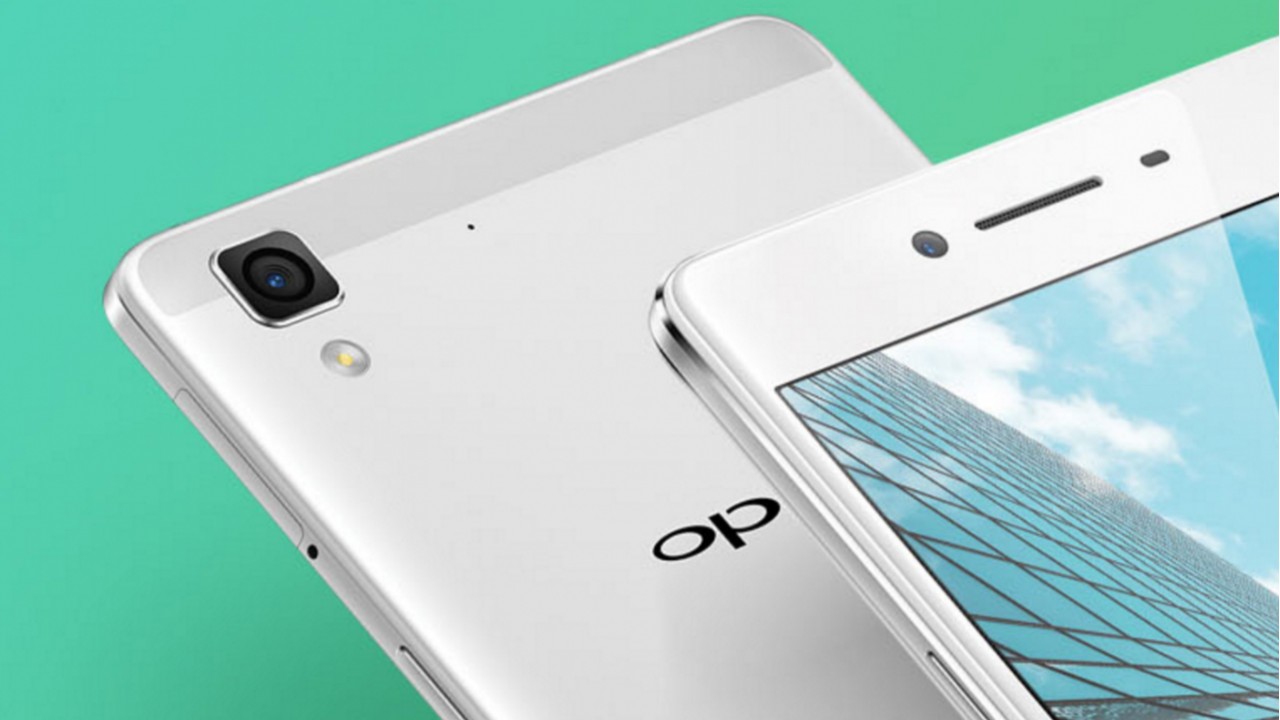
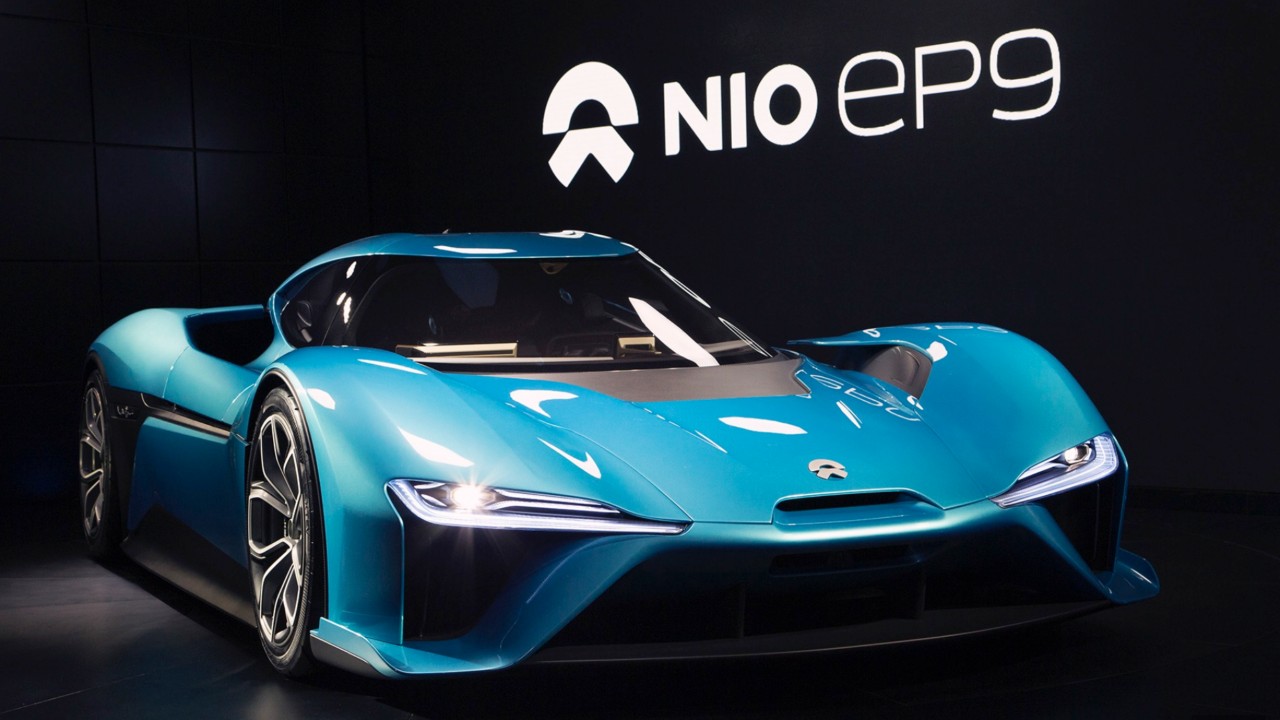
In recent years, many newly-born brands originate from China but target the international market. They tend to carefully design their brand name to show an international image in the global market. VIVO and OPPO, two Chinese smart phone brands, are very popular in Southeast Asia. Their brand names are smooth, rhythmic and loud. Even Chinese consumers can pronounce them easily. Therefore they are confident to apply only alphabetic name home and abroad. Other examples can be found in the new energy car industry, an emerging industry in which Chinese capital invests a lot. NIO was set up in 2014 and has announced its first mass production model ES8 in early 2018. The first alphabetic name for the brand was NEXTEV, coming from “next generation electric vehicle”. The brand decided to change it to NIO, which is generic in reflecting the “new/neo” concept and corresponds well to the “Future” connotation of its Chinese name. In addition, NIO can hold a broader product portfolio than NEXTEV.
NIO’s competitor BYTON was launched in September 2017. In the brand launch conference, the President introduced the story of the name: BYTON comes from “Byte on wheels”. We are creating the new generation smart device.
For Chinese brands, creating an authentic alphabetic word as the brand name requires great efforts and attention. Lack of understanding of foreign language, culture and branding mindset may lead to some questionable names. Shenzhen Ganten (Jingtian) Group launched a premium mineral water brand Blairquhan in 2017, aiming at competing with international peers such as Evian and Perrier. Blairquhan is the name of an ancient castle situated in Scotland. The group intends to convey a sense of nobleness with this name. But Blairquhan is a quite long word composed of two very different parts: Blair is a common English word, a male name; quhan, however, looks like a Pinyin which could refer to meanings such as remove sweat or coldness. The complexity and lack of harmony of this name may cause some difficulty in communication.
Brands should think carefully about the meaning or connotation of the word that is going to be used as the brand name. It should convey the brand’s intended message or image. For global consumers, a word coming from or rooted in their language and culture will build an emotional connection with the brand more easily. Qinyuan is the leading brand in water purifiers and drinking water equipment in China. Recently it changed its name from Pinyin Qinyuan into an invented word Truliva, expressing “True” and “Life”. For global market, Truliva is easy to read and carries positive meanings, which is in line with the water purifying expert image of the brand. It is more effective in helping the brand communicate among oversea consumers.

Today we live in a brand-crowded world. It is very challenging for Chinese brands to rise in the global market. Choosing a proper alphabetic name is a start. More efforts need to be made in deeply understanding glocal (different local regions in the world) culture and consumers, identifying the trend, holding a vision and creating differentiating products and services. Continuous brand building will help Chinese brands achieve success in global market.




To improve your experience, we use cookies to provide social media features, offer you content that targets your particular interests, and analyse the performance of our advertising campaigns. By clicking on “Accept” you consent to all cookies. You also have the option to click “Reject” to limit the use of certain types of cookies. Please be aware that rejecting cookies may affect your website browsing experience and limit the use of some personalised features.