

Prologue: Setting The Table With The Evolution Of F&B

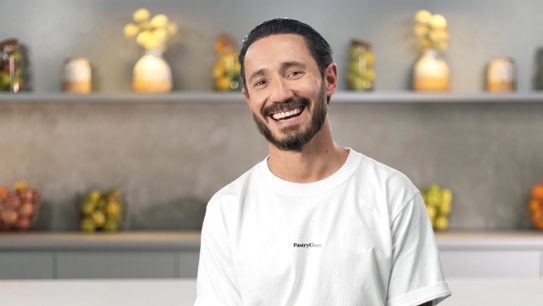
With over 15 years of experience in editorial and content strategy across luxury and lifestyle, Daphne Chen-Cordeiro brings a unique storytelling lens to the F&B industry. She now consults for a leading integrated lifestyle group – where dining sits alongside fashion, hospitality, and wellness – driving strategic communications and brand positioning across disciplines. She also leads content strategy and audience growth for fine dining brands, crafting narratives that build cultural relevance and audience loyalty.
Her extensive background in digital and print journalism has honed her skills as a content strategist, excelling in storytelling, global messaging, and multi-channel campaigns with expertise spanning a diverse range of verticals including fashion, beauty, luxury, travel, food, and consumer tech. In this dialogue, we chat with Daphne to hear her passionate insights and perspectives on shaping brand narratives in within the dynamic F&B landscape.
1. How have recent innovations and evolving consumer engagement profoundly reshaped the F&B industry and what notable activations best exemplify these modern dining paradigm shifts?
It’s fascinating to observe the ways contemporary innovations and the shifting landscape of consumer engagement have fundamentally redefined the F&B industry. We’re truly witnessing a compelling convergence, where the lines between food, lifestyle, and entertainment are becoming increasingly blurred.
From a content perspective, this dynamic evolution underscores a crucial shift: social collaborations and robust engagement strategies are no longer merely advantageous for F&B brands; they have become absolutely indispensable drivers for growth in our current climate.
Customers are increasingly looking for new, unique experiences that extend far beyond just the meal itself. This could manifest as the excitement around a new menu launch, the allure of limited-edition releases, or impactful high-profile partnerships. These elements are crucial for making an impact and truly standing out in what has become an incredibly competitive and saturated market.
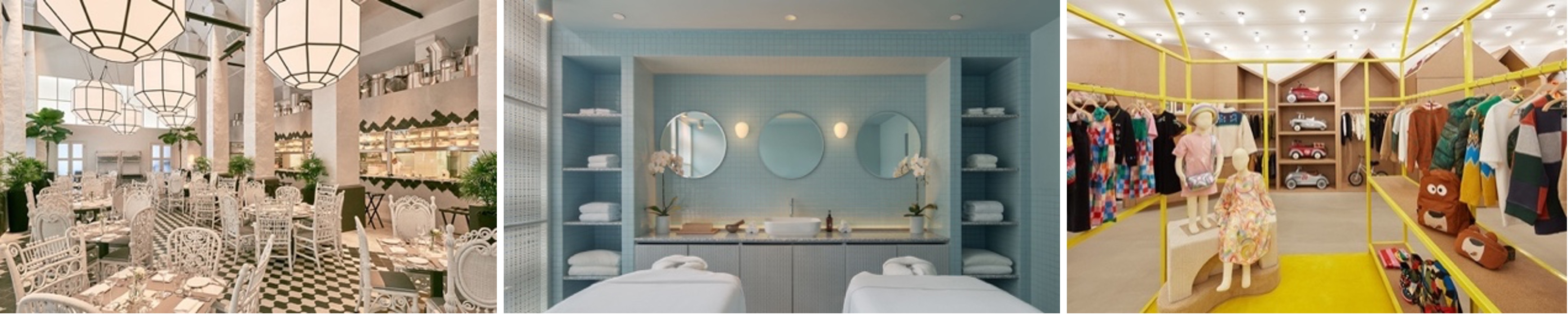
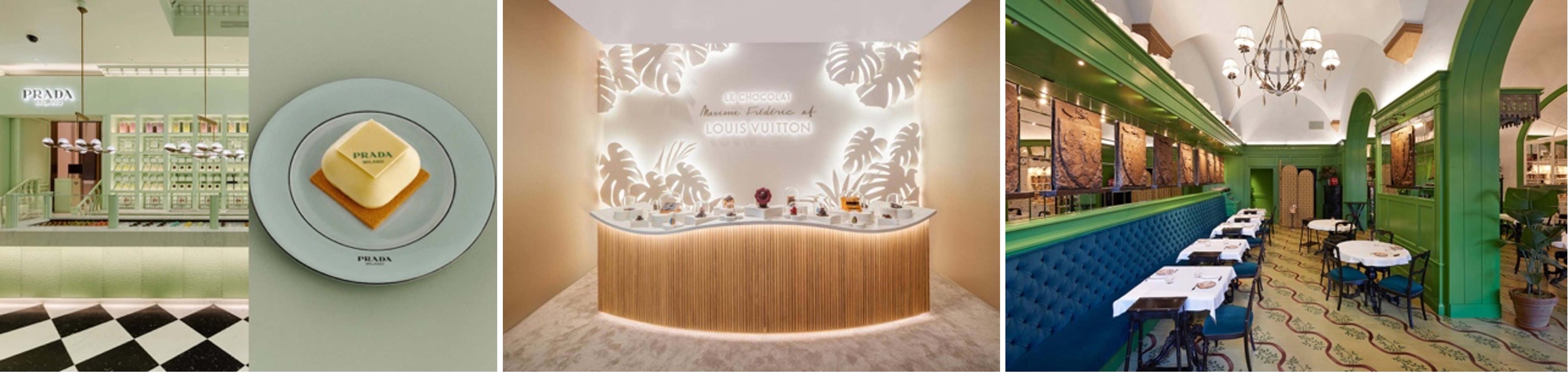
These examples perfectly illustrate how modern F&B brands are elevating dining into a broader, more engaging experience for customers, reflecting these shifts in contemporary dining.
2. In today’s highly competitive F&B market, how can restaurants and cafés develop a distinct identity to stand out amidst similar dining concepts and menu offerings, and what memorable, effective, yet low-investment ideas have proven successful for smaller or independent F&B brands in curating compelling experiences?
For F&B brands to stand out in today’s highly competitive market, especially for smaller or independent ones without major investments, it really comes down to creativity, unique value, and strategic content. Building a distinct identity has little to do with budgets, and everything to do with clarity of voice, consistency, and emotional resonance. The most effective ideas aren’t necessarily expensive. They’re smart, human, and story led.

3. Drawing on your past F&B brand experience, what are key strategies for restaurants and cafés to boost brand visibility, engagement, and conversion, moving beyond standard hygiene and event-based social media content?
That’s an excellent question, especially as brands look to move beyond the usual social media fare. To truly boost brand visibility, engagement, and ultimately conversion, it really boils down to two core principles: authenticity and a strong brand positioning.
But how do you actually achieve that? My approach to content creation is highly individualized for each brand, as it’s fundamentally about finding your niche and crafting compelling storytelling around it. I often find success by generating a range of creative ideas, then carefully testing how they resonate with the target audience. Through this iterative process, you start to intuitively understand what truly makes your customers react and engage.
4. What are some creative ways for restaurants and cafes to involve their community in their brand story?
The strongest F&B communities are built around a sense of belonging. And in the luxury space, that means cultivating moments of meaningful participation. When customers feel like co-authors in a brand’s journey, that’s where emotional stickiness happens.
5. What are the most effective digital channels for F&B brand traction, and how can long-term influencer partnerships be strategically built and optimized?
6. What are the key elements of a strong F&B loyalty program in today’s market?
A truly compelling loyalty program in today’s landscape transcends simple discounts. It’s about how valued a customer feels. Rather than the transactional accumulation of stamps or points, the focus has shifted to cultivating access, relevance, and emotional connection. The most impactful programs are those that nurture loyalty as a relationship.
In the luxury F&B space, I’ve observed that what resonates is tailored recognition: a direct line for immediate reservations, access to hidden menu items, invitations to off-menu tastings, personal interactions with the chef at the table, or even unique kitchen walkabouts. It all comes down to making loyal customers feel like insiders.
7. Any final advice for F&B brands who are looking to grow in scale and global footprint?
My perspective is rooted in a fundamental truth: cultivate a compelling brand identity, then identify and execute the right partnerships to expand on that vision.
The initial, critical step for any brand contemplating significant expansion is to truly solidify its core identity. This goes beyond superficial aesthetics like a logo or a catchy slogan; it’s about defining your brand’s authentic essence – its unique story, its values, and the emotional connection. Achieving global scale isn’t about expanding globally, but rather about deepening the brand’s core. The strongest F&B brands don’t dilute their unique proposition to appeal to all; instead, they sharpen their identity and execute localization with care. Consider how the very concept of “comfort” resonates distinctly in France compared to Korea or Singapore. Understanding this emotional nuance is how you build relevance.
My advice? First, build the brand’s spine. Weave a story so distinct and emotionally resonant that it holds up everywhere. Then, empower vital extensions of your brand: champions who resonate with your values and can translate your unique proposition to diverse cultural contexts, accelerating your global footprint in a truly meaningful way.
Stay tuned for future updates and insights from LABBRAND’s External Experts.
About LABBRAND | LABBRAND is a leading independent global brand consultancy founded in Shanghai in 2005 with offices in Paris, New York, Singapore, and Kuala Lumpur. Through seamless coordination of our expertise in Insights, Strategy, Naming and Design, we translate brand ideas into impactful identities and experiences that strengthen brand equity. Bringing strategy, creative experience and culture altogether into comprehensive brand systems to create and develop successful brands, we guide clients through every stage of the brand development journey. LABBRAND has been recognized by the world’s most influential award organizations, earning over 70 prestigious accolades including iF Design Award, Red Dot Design Award, London International Awards (LIA), Transform Awards in Asia, North America and Europe.




To improve your experience, we use cookies to provide social media features, offer you content that targets your particular interests, and analyse the performance of our advertising campaigns. By clicking on “Accept” you consent to all cookies. You also have the option to click “Reject” to limit the use of certain types of cookies. Please be aware that rejecting cookies may affect your website browsing experience and limit the use of some personalised features.