
Chu Yuxun is still excited after her battle against campus bullies. Her hair appears wet and messy. Suddenly, her piano teacher appears and recommends a new shampoo brand, insisting Chu needs silk protein to improve her hair’s condition. The camera then zooms in on the Slek shampoo logo and holds the image on screen for what seems like an eternity.
The passage above may sound like a TV commercial, but actually it is one of the many product placement scenes from a highly popular yet controversial TV series in China, 一起来看流星雨 (yīqǐláikànliúxīngyǔ), meaning “Let’s Go Watch Meteor Shower”, often simply called Meteor Shower. The so-called “youth idol drama” (青春偶像剧) tells the life and struggle of four wealthy boys and a poor but pretty girl studying in the same college. The love story reflects clashes between different social classes in China.
Scenes containing product placements appear approximately every five minutes during the show, according to an unofficial calculation conducted by a group of viewers who were outraged by the many brands’ constant appearances1. In fact, the product placements are one of the main drivers behind the controversy surrounding Meteor Shower.
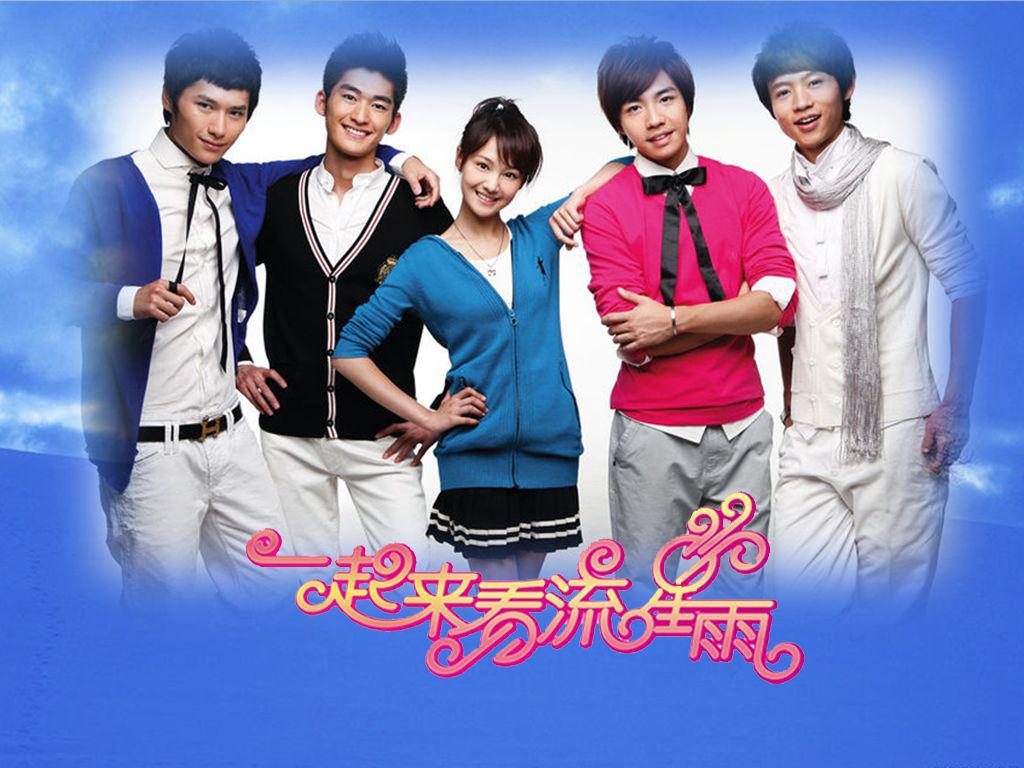
By examining the use of product placement in this popular Chinese TV series, we will gain insights into ways it can be used effectively by brands. This article will give an overview of product placement, discuss the brands featured in Meteor Shower, and review the successes and the mistakes they made. As we will see, product placement can contribute to brand stature and increase brand equity. However, the use of product placement must be carefully aligned with brand strategy before it can effectively build brands in China or abroad.
Product placement is already a multi-billion dollar business in United States and is still growing2. For example, in Project Runway, the popular American fashion design competition show, viewers will “accidentally” see many brands, ranging from the make-up that the models wear to the sewing machines the designers use. A more obvious example is the hit movie Transformers, where the entire production could be considered product-placement; the cartoon series was originally created to boost toy maker Hasbro’s sales. Starting from early 2000s, Chinese viewers began to see more and more product placement in their movies and TV series.
In general, product placement can be categorized into three types: screen placement, script placement, and plot placement 3.
All three types can enhance branding efforts by increasing brand awareness, developing brand relevance, or delivering a brand experience, to name a few. Plot placement is often the most effective of the three types for building brand equity.
Brands Featured in Meteor Shower
Though the audience accused the show of being crammed with more than a dozen featured brands, there were actually only seven brands that paid the production team while others were merely free placements, according to the show’s producer4.
The seven brands were called “production partners” and were given credit at the end of each episode. They were:
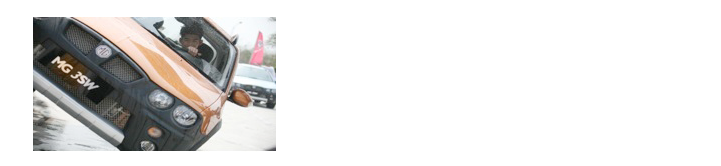
MG and its sister brand Roewe, both owned by Shanghai Automotive Industry Corporation (SAIC)

Metersbonwe, China’s leading casualwear apparel brand
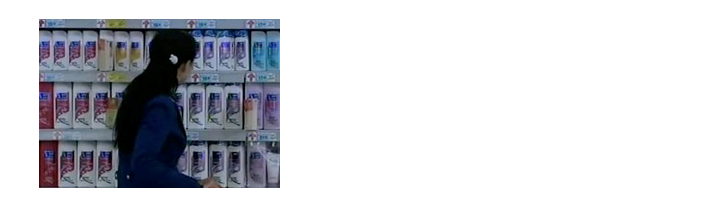
Slek shampoo, owned by China’s C-BONS Hair Care, acquired by Beiersdorf in 2007

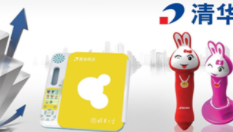
Tsinghua Tongfang computer
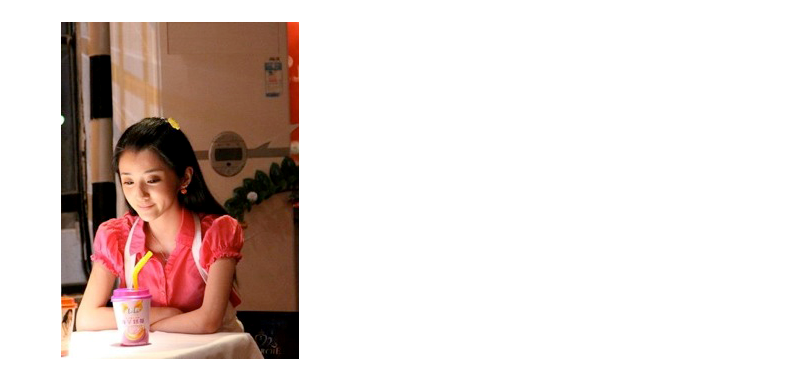
Xiangpiaopiao instant tea with milk
Cityexpress GPS Device
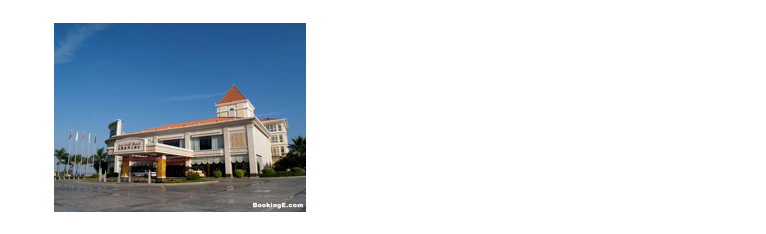
Asia Gulf Hotel, based in Xiamen, Fujian Province where Meteor Shower was set.
While admitting a lack of experience and sophistication in product placement, the producer of the show was proud that these seven brands are all Chinese and that the show is promoting domestic products.
Brand Stature of Local Chinese Brands
So why did the product placement in Meteor Shower become so controversial? Actually, the problem lies in the brand stature of the featured products. Brand stature relates to a brand’s past performance and is determined by brand esteem and brand knowledge. Most Chinese brands do not yet have strong brand stature; however, they often possess brand strength, which is formed by differentiation and relevance.
In short, some viewers found it unbelievable that wealthy customers would purchase the local brands shown in the Meteor Shower TV show. For example, they wondered why upper class characters would wear Metersbonwe, play video games on Tsinghua Tongfang computers, drink Xiangpiaopiao, and use Slek shampoo. Because some viewers found the product placements implausible, it detracted from the effectiveness of this branding effort.
When implemented effectively, product placement is a good way to build esteem and knowledge to enhance brand stature. TV series characters can appeal to a particular target market, and unlike a short advertising spot, there is enough time to build the brand in the minds of consumers as the plot unfolds.
Now let’s discuss the successes and mistakes that were made by the brands featured in Meteor Shower to see what we can learn.
Product Placement Successes and Mistakes
Apart from being China’s very own, the brands featured in Meteor Shower are all second or lower tier brands in their respective industries. Associations with the wealthy characters in Meteor Shower are evidence of the brands’ attempts to widen their markets and be perceived as higher-end.
For one, the motives of Shanghai Automotive Industry Corporation’s (SAIC) were clear: they wanted to create differentiation between their own MG and Roewe brands. This is why viewers see wealthy youngsters in Meteor Shower driving MGs while their parents are chauffeured around in Roewe vehicles.
Founded in Britain, MG brand was in 2005 bought by Nanjing Automobile, which was later acquired by SAIC5. MG is over 80 years old, yet is still not well known by many Chinese consumers. In the show, the leading male character “happens” to love car racing. He owns an MG and holds racing competitions with his peers, all of whom drive MG cars. Not only do the car-racing scenes highlight the performance of MG vehicles, they also convey a brand message that MG is sporty, hip and young.
Meanwhile, Roewe brand was created by SAIC after they were unable to buy rights to the Rover name from BMW. In 2009, Roewe is one of the fastest growing brands in China and seems to have much stronger brand awareness than MG. Positioned as a brand targeting the middle class market, Roewe’s attributes of dignity and modesty were showcased in the TV series. This placement gave Roewe brand a high-end touch to enhance its brand stature.
On the other hand, the only thing viewers perceived from Slek’s product placement in Meteor Shower was its ubiquity. The shampoo bottles were placed in bathrooms and living rooms alike— even the airport displayed Slek ads. There were characters popping up and talking about Slek in slogan-like language, similar to the piano teacher example at the beginning of this article. The on-screen placements of Slek were so plenteous that it appeared unreal, and eventually viewers were offended. This is detrimental to brand stature, especially the esteem dimension.
Broadcasted and co-produced by Hunan Satellite Television, Let’s Go Watch Meteor Shower was the highest-rated TV program during its time slot almost every night since it premiered on August 8, 2009. On August 29, the season finale generated Hunan Satellite Television’s highest rating in 20096.
With the success of the first season, the production team is gearing up for season two. It will be interesting to see how many brands will stick to Meteor Shower as their platform for product placement and how their brand stature will be affected over the upcoming years.
As product placement is still in the early stages of its development in China, it represents an area of opportunity for brands to execute brand strategy and build brand equity. We’re sure we’ll see more companies utilizing this platform in the years to come.
1 http://fun.hsw.cn/system/2009/08/19/050278691_01.shtml
2 eMarketer. (2009, June 15). Does Product Placement Work? Retrieved from http://www.emarketer.com
3 Russell, G.A. (1998). Toward a framework of product placement: Theoretical propositions. Advances in Consumer Research, (25)1, p. 359
4 http://ent.sina.com.cn/v/m/2009-08-15/11302655121.shtml
5 MG Cars. (2009, September 5). In Wikipedia, the free encyclopedia. Retrieved August 30th, 200, from http://en.wikipedia.org/wiki/MG_Cars
6 http://ent.hunantv.com/t/20090821/399348.html
Sources:
eMarketer. (2009, June 15). Does Product Placement Work? Retrieved from http://www.emarketer.com/Article.aspx?R=1007136
MG Cars. (2009, September 5). In Wikipedia, the free encyclopedia. Retrieved August 30th, 200, from http://en.wikipedia.org/wiki/MG_Cars
Russell, G. A. (1998). Toward a framework of product placement: Theoretical propositions. Advances in Consumer Research, (25)1, 357-362.
http://auto.ifeng.com/focus/hottopic/20090827/91454.shtml
http://fun.hsw.cn/system/2009/08/19/050278691_01.shtml
http://ent.sina.com.cn/v/m/2009-08-15/11302655121.shtml
http://www.21stcentury.com.cn/story/53516.html
http://ent.hunantv.com/t/20090821/399348.html
http://ent.hunantv.com/t/20090831/409099.html




To improve your experience, we use cookies to provide social media features, offer you content that targets your particular interests, and analyse the performance of our advertising campaigns. By clicking on “Accept” you consent to all cookies. You also have the option to click “Reject” to limit the use of certain types of cookies. Please be aware that rejecting cookies may affect your website browsing experience and limit the use of some personalised features.