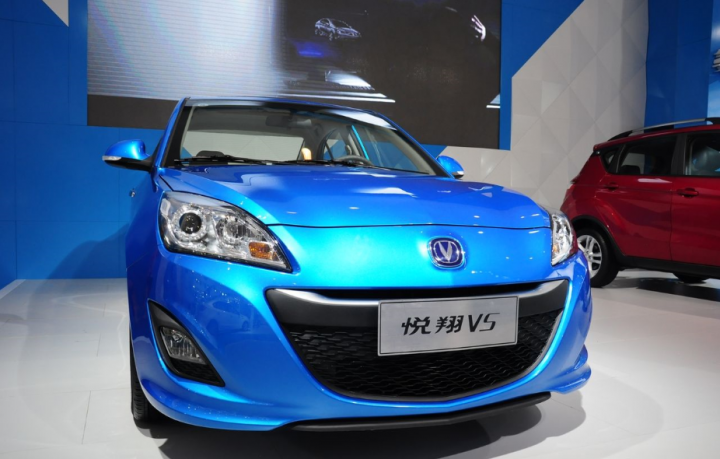

Embarking on a journey through the automotive landscape, one cannot help but marvel at the fascinating world of car names. From the streamlined elegance of sports cars to the robust reliability of SUVs, the automotive industry excels in crafting names that not only identify but also resonate with consumers. In this exploration, we delve into the realm of popular cars, meticulously dissecting the artistry behind their names. These names transcend mere identification; they evoke emotions, articulate a brand’s identity, and sometimes, even attain cultural significance. Join us in unraveling the compelling stories behind these names, transforming these cars into more than just machines on wheels but icons that resonate with enthusiasts and everyday drivers alike. Explore the dynamic intersection of automotive innovation and brand resonance with us.

| Chinese names | 悦-yuè | 翔-xiáng |
| Character analysis | Car names example: “悦” used as an adjective means happy, content, and gratified. In ancient times it was written as “说”, which now stands for “say” or “speak”. It can also be used as a verb which means to make someone happy. It is frequently used in phases like “悦耳” (yuè ěr; be pleasing to the ear, sweet-sounding), “心悦诚服”(xīn yuè chéng fú; heartily admire). | Car names example: “翔” is comprised of two parts: “ 羊” and “羽”. Its original meaning is “hovering /circling in the air”. However, if it is used as an adjective, it has the same meaning as “详” and “祥” which now means detailed and lucky respectively. It always matches the character “飞”. It is often seen in the phase like “飞翔” “翱翔” (fēi xiáng; áo xiáng; fly or soar) |
| Chinese names | Character analysis |
| 悦-yuè | Car names example: “悦” used as an adjective means happy, content, and gratified. In ancient times it was written as “说”, which now stands for “say” or “speak”. It can also be used as a verb which means to make someone happy. It is frequently used in phases like “悦耳” (yuè ěr; be pleasing to the ear, sweet-sounding), “心悦诚服”(xīn yuè chéng fú; heartily admire). |
| 翔-xiáng | Car names example: “越” means to surpass. It is comprised of two parts: “走” (zǒu) and “戉” (yuè). Its original meaning is to exceed, to overstep others. When used as an adverb, it means “more and more”, such as “越多越好”(yuè duō yuè hǎo), the more the better. It is always used in the phrase “越过”(yuè guò)- to go over or to surmount. |

| Chinese names | Car names example: 致- zhì | Car names example: 胜-shèng |
| Character analysis | “致” is the simplified form of the character “緻” which means cause, send, deliver, gain, express, sacrifice. People always use it in the phases like “兴致”(xìng zhì; manner or style that engages attention or arouses interest), “致贺”( zhì hè; extend congratulations), “致使”(zhì shǐ; cause, result in). | “胜” is the simplified character of “勝” which refers to defeat, win, bear, surpass and check. It is always related to the commendatory terms like victory, triumph, and success. It’s often used in the phase including “胜败”(shèng bài; victory or defeat), “名胜古迹”(míng shèng gǔ jì; scenic spots and historical sites), “胜人一筹”(shèng rén yī chóu; superior, better than) |
“致胜” means helping you to win or to become successful. The name evokes feelings of victory. Generally, China’s middle class are highly ambitious and constantly striving for success. They will be attracted to this car name as it is aligned with their personal goals, and they may even feel that it can bring them good luck.

| Chinese names | 明- míng | 锐- ruì |
| Character analysis | “明” is comprised of “日”(sun) and “月”(moon) which means bright, light, and brilliant. Besides that, it means clear, obvious and explicit. It is also one of the most common names for Chinese people. The expression used “明” includes “ 明白”(míng bai; plain,explicit), “明媚”(míng mèi; bright and beautiful), “明显”(míng xiǎn; obvious, evident, apparent) | “锐” originally means sharp, keen, acute, pointed. Besides that, it also means hard-hitting and well-trained; firm and resolute. It’s often used in the phases like “锐利”(ruì lì; sharp,keen),“锐意”(ruì yì; determined and dauntless), “锐不可当”(ruì bù kě dāng; can’t be held back) |
“明 锐” is an existing Chinese word which stands for brightness, intelligence and innovation. When used as a car name, it calls to mind a youthful spirit, a sense of rising and flourishing. This name should resonate with young consumers but possibly all age groups as it makes them feel ambitious and vigorous.




To improve your experience, we use cookies to provide social media features, offer you content that targets your particular interests, and analyse the performance of our advertising campaigns. By clicking on “Accept” you consent to all cookies. You also have the option to click “Reject” to limit the use of certain types of cookies. Please be aware that rejecting cookies may affect your website browsing experience and limit the use of some personalised features.