

As a branding professional, nothing is more exciting than witnessing an entire industry reborn, especially when that progress brings in positive change and represents the best of us. One best example in recent memories is the growing focus and investment into the mental health space, and the long overdue accessibility and innovation enabled by technology. All the more poignant is that these developments are thriving during the biggest public health crisis facing mankind in decades.
That has led us to where we are now, when the “space” is getting crowded and competitive already with companies like Headspace, Talkspace, and many more all trying to occupy an important “space” in customers’ hearts and minds. So how does a company establish itself as the trusted one in this intimate space? Let’s, once again, start with company name and see if we would be able to find the answer after understanding the frontrunners’ distinct naming strategies.
Brands in this direction express the end-result and the efficacy directly through their brand names and the experience is much more personal and individual-based.
Case in point:
Calm: the service offers meditation products, including guided meditations, mainly through its app.

Brands in this category similarly express the expected results through their brand names, but reflect more on the user’s appearance and connections amongst peers.
Case in point:
Happify: it is a Cognitive Behavioral Therapy (CBT) and positive psychology-based app that helps users become more active in improving their overall sense of happiness and mental wellness.
Meetmindful: a dating app (yes, there’s a dating app for that), hence the “meet” in the name, for people who keep their lives mindful & high vibe.
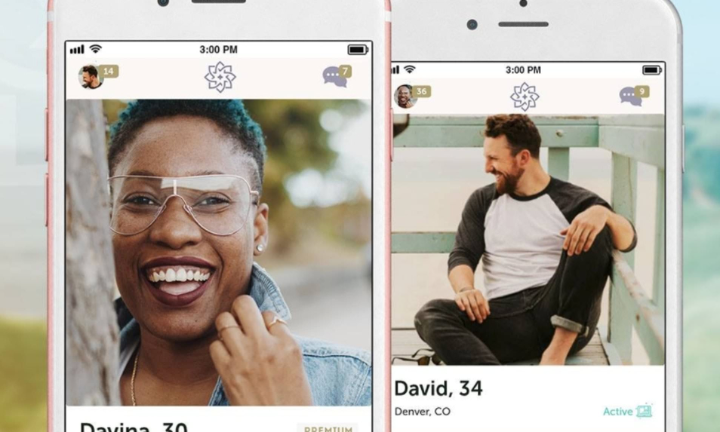
Contrary to the result driven approach, brands in this third category talk more about the importance of process, which the user embarks on and experiences on their own.
Case in point:
Headspace: meditation that influences user’s state of mind or mindset through creating a “headspace”.
Wondermind: Selena Gomez’s new business venture highlights a new concept – “mental fitness” and encourages achieving mental wellness by being mindful and curious about one’s mind on a regular basis.
Sometimes, the mental health journey is better taken together with others. This category reflects the collective impact made by sharing and seeking help from others.
Case in point:
Talkspace: an online and mobile therapy company enabling access to licensed therapists, hence the “talk” in the name.
Journey: the service offers preventative mental health solutions to companies and organizations. As the name alludes to, it’s all about taking the voyage together.
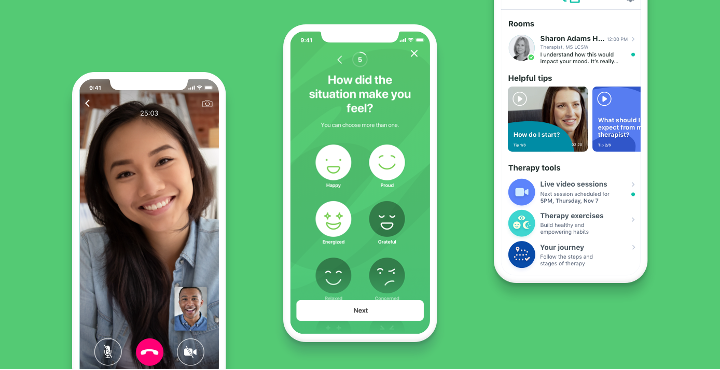
Mental health is intimate and personal. In order to make the brand approachable and accessible, some companies are simply using verbally pleasant given names as their brand names, which also hints at the power of artificial intelligence deployed in the technology.
Case in point:
Wysa: an AI chatbot that makes users feel heard.
Koko: a peer-to-peer chat service helping users feel more hopeful. The founders “chose the name ‘Koko’, because it seemed to bring forth positive associations (like hot cocoa or ‘Koko’ the gorilla)”
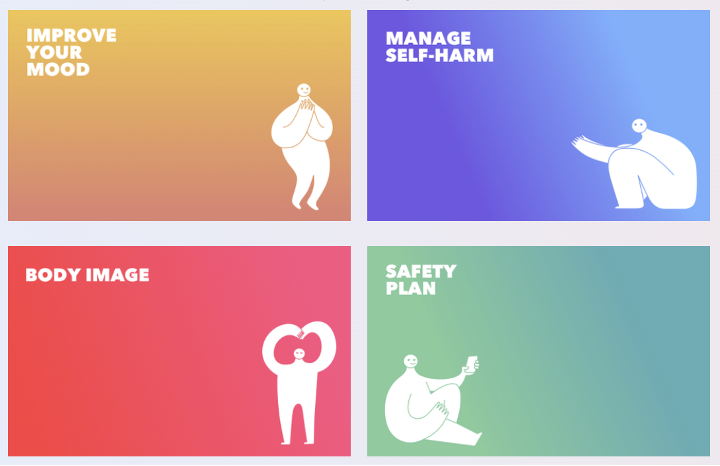
What’s clear for now is that these companies are striving to build a better experience for their users in ways that one couldn’t imagine just a decade ago. Mental health has a huge impact on individuals and society. With the growing awareness and increasingly advanced technology, it’s all but certain that more start-ups will rise to the occasion in the future following this playbook for their brand names.
The tech-enabled mental wellness industry is still young, its current corporate naming landscape is understandably very straight forward and descriptive, but as the industry flourishes and gets much more crowded, more creative and inspirational names will most certainly be desired by branding as well as legal reasons.




To improve your experience, we use cookies to provide social media features, offer you content that targets your particular interests, and analyse the performance of our advertising campaigns. By clicking on “Accept” you consent to all cookies. You also have the option to click “Reject” to limit the use of certain types of cookies. Please be aware that rejecting cookies may affect your website browsing experience and limit the use of some personalised features.