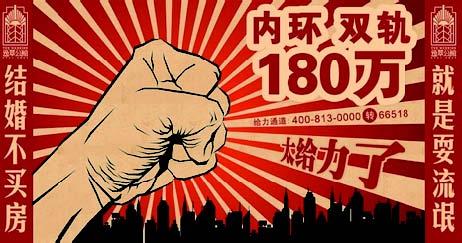

Shedding light on the dynamic nature of language and culture in China, “Shenma”, “geili”, and “hold zhu” – these words that cannot be found in traditional dictionaries have become extremely popular phrases in Chinese society, wielding an unimaginable influence and penetration rate. This linguistic evolution is a testament to the agility required in Chinese brand marketing.
Even the largest TV show in China, The Spring Festival Gala on CCTV, uses these phrases as highlights. It’s common to encounter these words on a daily basis; when people around you are discussing with this new vocabulary (and it’s not a foreign language), they are not speaking in code, but rather calling on a new culture in China.
This kind of cultural change is similar to the Chinese economy – it’s fast, surprising, and diverse. In this article, we will discuss about Chinese cultural trends in brand marketing as well as how brands can tap into this change to enhance brand equity.
The word “geili” is a case in point. Originally a northern Chinese slang, the word “geili” 给力meant “give force” and was used to express something which is powerful and energetic. However, it became popular after being used in the Chinese voice-over of a humourous Japanese animation. Nowadays, “geili” means helpful and/or awesome. Another popular form is “bugeili”不给力 or “not geili”, which describes the unsatisfactory gap between expectation and reality. This new word has had cultural impact, and it now even has its own English name “Gelivable” and “Ungelivable”.

As cultural shifts can happen rapidly in China, it is important for Chinese brand marketing to be in touch with popular culture and language to keep up with their target consumers. The cause of such phenomena can be attributed to the rapid growth of the Chinese internet industry. The younger generation’s urge to break away from traditional culture and find something that is fresh and fun could have also played an important role in pushing new trends in the Chinese culture.
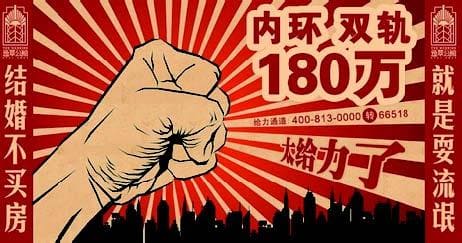
A real estate company using “Geili” in its posters
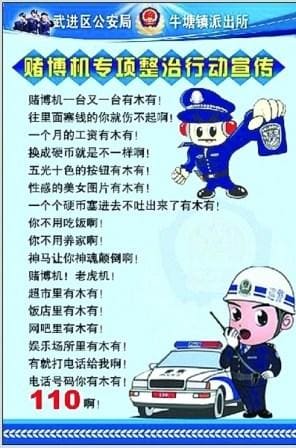
Local police using “Shouting Style” writing in its awareness posters
What does this culture change mean for brands?
For brand builders, insights into this new culture change and knowing the right moment to call on this change can effectively establish brand equity and create a closer relationship between the brand and its consumers. Taking a closer look, we have identified two important points: semantic trends and brand relevance.
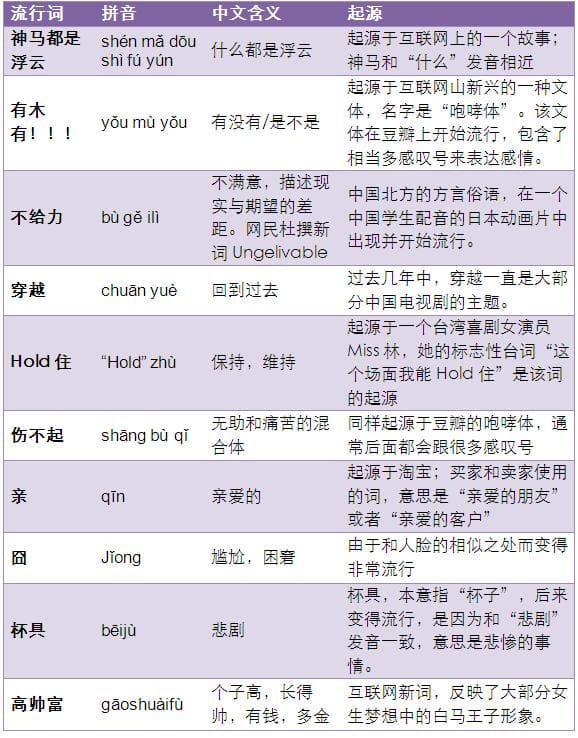
When a new word appears, it is particularly important to consider the trend of its future meaning before jumping on the bandwagon. Broadly speaking, semantics is divided into three directions: positive, neutral, and negative. Because of cultural variability, sometimes the connotations of a word may change. For example, the word 同志 (tόng zhì) used to mean “comrade” and has a positive meaning. But now, it has a different meaning in China. Paying attention and grasping these social changes are important. For new trendy phrases, brand must analyze the origin and keep track of how it is evolving before using it in the communication strategy.
Recently, Glade produced an advertisement and used a new trendy phrase in its tagline “除臭Hold不住?” meaning “Can’t handle the odor?” The word “Hold住” was often used amongwhite-collars and expressed their confidence to manage things. These types of phrases have positive connotations and are much easier to apply to other categories. In terms of current impact and future potential, white-collars are the backbone and of word of mouth communication; they are frequent computer and internet users and have vast opportunities for verbal communication in daily life. Through them, the propagation speed and depth of phrases or messages is great. On the other hand, phrases which are popular among students or the middle-aged population might not have the same influential impact potential.

From the brand-building point of view, the ultimate goal of propagating information to target consumers is increasing brand equity. Thus, the degree of relevance between the message, target audience and the brand itself is crucial. When the semantic contexts of a word are consistent with the proposition of a brand and the unique features of target audience, the communication can positively add value to the brand.
This Glade product mentioned above mainly targets young people who need to do house cleaning but do not have much time, which resonates with white-collars.Meanwhile, the multiple meanings of Hold住 fit with Glade’s brand proposition of having confidence in their products. Glade sensed a trend emerging and decisively incorporated this word into their advertisement. The ad was welcomed by young white collars after airing. Glade benefited from the popularization of new cultural trends in China and demonstrated itself as a brand which closely follows new trends.
Conclusion
This phenomenon is a type of fast-culture; hundreds of new phrases usually pop up every year, but few will flourish. With the generation of new vocabularies, old ones will be outdated and disappear. None the less, this type of fast-culture will continue and the importance of itin modern China will be more significant. Due to the limitations of this type of culture change, not all brands are suitable to use trendy new vocabularies; improper use could even hurt one’s brand equity (such as luxury brands). But at the same time, proper use of this cultural trend can provide benefits for a brand; it could be a suitable choice for a new brand who wishes to enter the Chinese market quickly or a brand that targets young consumers.




To improve your experience, we use cookies to provide social media features, offer you content that targets your particular interests, and analyse the performance of our advertising campaigns. By clicking on “Accept” you consent to all cookies. You also have the option to click “Reject” to limit the use of certain types of cookies. Please be aware that rejecting cookies may affect your website browsing experience and limit the use of some personalised features.