Search for content of interest

  • About
  • ServiceS
    • Branding
    • Innovation
    • Naming
    • Strategy
    • Research
    • Design
  • Work
  • Insights
  • News
  • LOCATIONS
    • Shanghai
    • Paris
    • New York
    • Singapore
    • Malaysia

CN FR
  • About
  • ServiceS
    • Branding
    • Innovation
    • Naming
    • Strategy
    • Research
    • Design
  • Work
  • Insights
  • News
  • LOCATIONS
    • Shanghai
    • Paris
    • New York
    • Singapore
    • Malaysia
CONTACT

EN

  • CN
  • FR

Home Insights Our Thinking Detail

EXPERTISE

  • Strategy
  • Branding

INDUSTRY

  • Electronics & Appliances
Contact Us

Brand Strategy: Asus – Branding to the High End Market


If the Asus EeePC series initially captivated attention through affordability, the recently launched EeePC S101 signifies Asus’ strategic shift from a budget-focused PC manufacturer to an elevated PC brand. This move harmonizes competitive pricing with sophisticated design, innovations, and premium quality, marking a significant evolution in Asus’ overarching brand strategy.
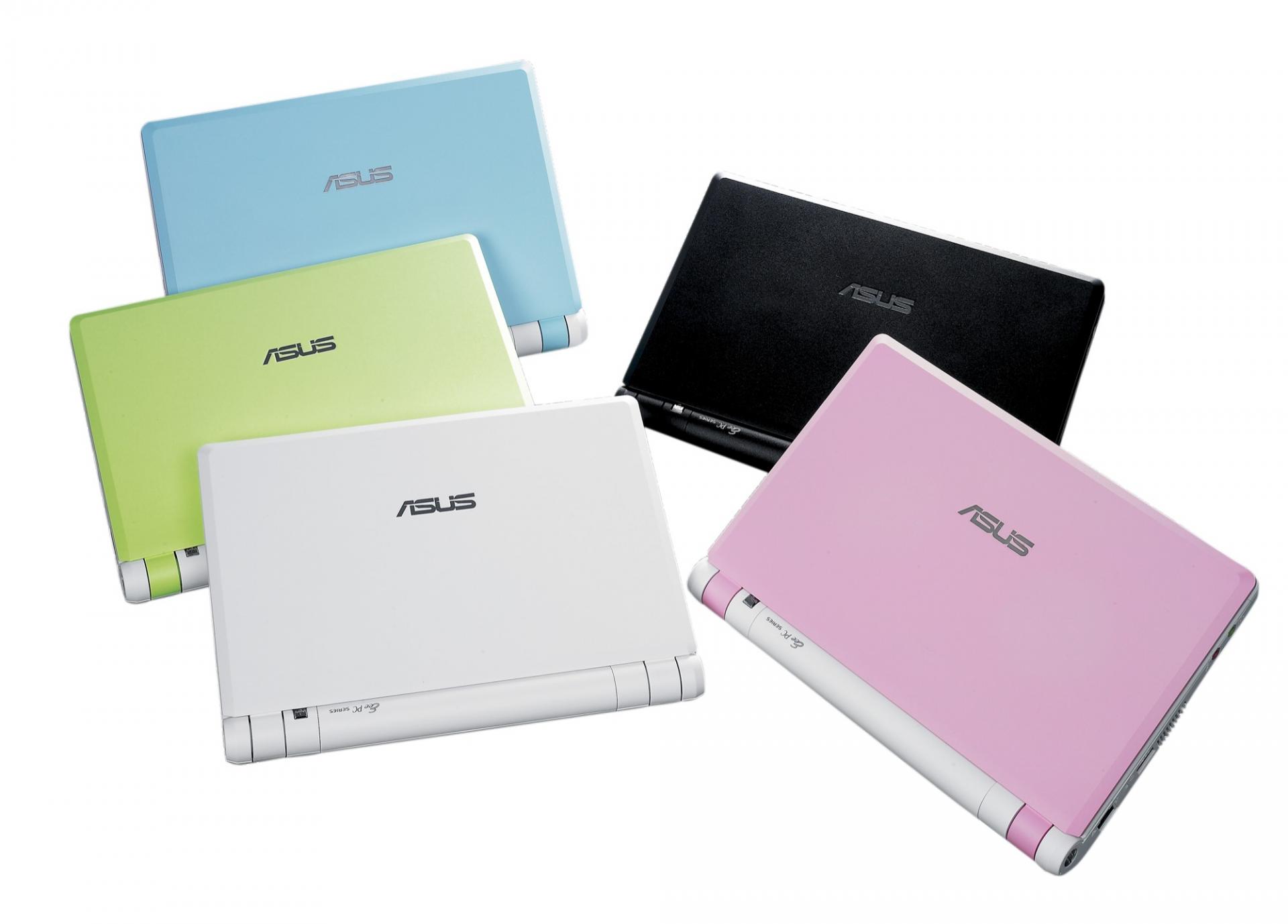
While certain Chinese brands, like the renowned Lenovo, opt for acquiring foreign assets to combat the ‘Made in China = low-quality products’ stigma, Asus takes a distinct approach. Asus strategically invests in advancing its own brand through technology and design, aiming to reshape general perceptions by showcasing enhanced quality seamlessly paired with reasonable pricing. This unique approach highlights Asus’ distinctive and forward-thinking brand strategy.

The Eee series starts at a very attractive $ 320 with the Eee PC700 and goes up to about 700 with the Eee S101 – a very thin, light, and prettily designed notebook.
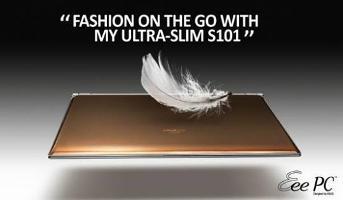
With its superior finishes and up to standards tech features, the netbook is clearly targeted at the higher end of the market. As the company itself declares, Asus “knows how to combine aesthetics and technology.”

Innovations and sleek designs are at the forefront of Asus’s ongoing initiatives. Building on the success of the Asus F6V line, which boasts model-customized olfactive signatures, the company is now venturing into power-saving ‘green’ motherboards. These motherboards prioritize low emissions and fewer hazardous chemicals, surpassing standard regulations. Additionally, Asus is developing Linux-based software that enables users to swiftly access the internet even before the Windows boot process. These forward-looking endeavors exemplify Asus’s commitment to cutting-edge technology and sustainability, key elements of its evolving brand strategy.

In alignment with the words of Jonney Shih, Asus founder, who emphasized the evolution of brand establishment beyond quality, Asus is making strategic strides in innovation, design upgrades, and robust marketing initiatives. However, paramount to these efforts is Asus’s significant investment in building a strong and distinct brand identity. Recognizing that quality alone is no longer sufficient, Asus is steering its brand strategy towards a holistic approach, prioritizing innovation, communication, and marketing to secure a prominent position in the market.


  • SHARE
  • 
  • 
  • 
  • 
BACK

Sign up for our newsletter to get the latest insights, tips, and trends in branding, naming and innovation.

Related Article




WEI Beauty: Can an American Herbal Skincare Brand Succeed in China?

In the summer of 2013, US based cosmetic herbal skincare brand WEI Beauty celebrated the launch of its WEI and WEI to go in Sephora China. WEI East, also from WEI Beauty’…

Smartphone Branding Strategies in China

In the information age we live in today, marketing strategies are plentiful and diverse. Today, brands often leverage the convenience and reach of the internet to communi…

Asian Millennial Travelers: Local Insights from Different Countries #mykindoftravel

Spotlights on Millennials In the realm of conferences like Millennial 20/20, Marketing to Millennials, and Millennial Summit, the spotlight is on Generation Y, a group of…

The Sound of Brands: A Look at the Positive Effect of Sound Repetition in Brand Names

What do the brands Coca-Cola, Hubba Bubba, TuttiFrutti, Zara, Sasa, and Kit Kat have in common? Say them aloud and you will realize: They all have a repetition of sounds …

Branding Tech Companies: Snap’s Brand Innovation

This article is part of our “branding tech companies” series, where we take a closer look at technology brands around the world, offering insights on their most impactful…

5 Best Tumblr Practices for Branding in the Tech Industry

Historically, branding specialists were more inclined to explore the potential of micro-videos on platforms like Vine or build a devoted LinkedIn following, rather than o…

Chinese TV brands declared outlaws

Explore a compelling revelation on danwei.org today: an eye-opening report reveals that a significant 40% of Chinese TV brands' names and logos are in direct violation of…

Anta Acquires Fila to Build its Brand

The Chinese sportswear company Anta Sports Products Limited recently signed an agreement with the famous footwear producer Belle to build brand, planning to acquire two o…

Ready to take your brand to new heights?

Let's start a conversation.
  • NEWSLETTER
  • CAREERS
  • PRIVACY POLICY
  • Labbrand Group
  • Labbrand
  • Madjor
  • SpringPillar

* Will be used in accordance with our Privacy Policy

A Labbrand Group Company © 2005-2025 Labbrand All rights reserved

沪ICP备17001253号-3
  • Follow us:
  • 
  • 
  • 
  • 
  • 
  • 

Contact us to get the latest insights, tips, and trends in branding, naming, and innovation.

* Will be used in accordance with our Privacy Policy

Cookie Notice

To improve your experience, we use cookies to provide social media features, offer you content that targets your particular interests, and analyse the performance of our advertising campaigns. By clicking on “Accept” you consent to all cookies. You also have the option to click “Reject” to limit the use of certain types of cookies. Please be aware that rejecting cookies may affect your website browsing experience and limit the use of some personalised features.

Accept Reject