

Valued at $47-billion in 2024, the wellness industry in the Philippines is now worth more than 10% of GDP with tourism, culture, and consumer brands primed to lead Asia’s next wellness wave – but few Filipino brands have the authority to claim ownership.
There was a time when ‘wellness’ in the Philippines meant a Sunday massage, a gym membership nobody used past the enthusiasm of the initial sign-up or a bottle of vitamins from the neighborhood drugstore. But that is over.
Today, the wellness industry in the Philippines is quietly and fast becoming one of the most consequential economic stories in the country, and a defining aspect of the everyday Filipino lifestyle. Yet, you walk through the brand landscape that’s supposed to be capturing this moment, and you’ll notice something else: the market is growing faster than the brands built to serve it.
The Philippine wellness economy reached $47.3 billion in 2024, a 31% jump from $36 billion in 2019, growing at roughly 7.3% year-on-year. Measured in pesos rather than the dollar, the real expansion is closer to 45% since the COVID pandemic. Wellness now accounts for more than 10% of national GDP, putting the Philippines among the top ten wellness economies in the world relative to output. Considering this scale, it is no longer a niche lifestyle category, it is infrastructure-level economic activity.
Layer onto that the country’s positioning ambitions in tourism. The Philippines is deliberately trying to re-emphasize wellness travel what it once tried to do with beaches: turn a natural asset into an exportable identity. Regulatory moves such as the Philippine Food and Drug Administration’s (FDA) new Green Lane pathway accelerating approvals for wellness products and establishments signal that government is treating this as strategic industry, not just tourism marketing copy. Resorts like The Farm at San Benito in Batangas, a 22-year veteran with 110 international awards, have already proven that medically-supervised, nature-integrated wellness retreats can compete globally; blending evidence-based medicine with what they call the “Filipino Brand of Wellness”. The pitch to travelers is explicit: don’t just come for the beach, come to heal.
Meanwhile, at the more accessible end of the market, self-care and beauty have exploded into genuine cultural initiatives rather than product categories. The “Bebot” trend and the broader Morena movement – an advancement from decades of whitening-obsessed beauty standards – have turned Filipino identity itself into an aspirational aesthetic, arguably for the first time. Homegrown names like Sunnies Face, Happy Skin, BLK Cosmetics, Ever Bilena, Colourette, GRWM Cosmetics, Detail Cosmetics, and Issy & Co. are riding that wave, formulating specifically for tropical humidity and Morena skin tones that international brands consider as an afterthought.
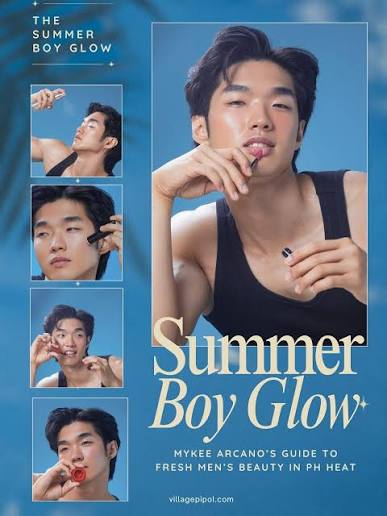
The same cultural reaction now extends to Filipino men. Often described as the local “boy beauty” movement, this shift is not simply about men buying skincare and make-up – it is about dismantling the assumption that grooming and self-care is only a woman’s concern. Male content creators, and even a generation of Gen Z consumers who treat make-up as an extension of fashion and identity have demystified and normalized what was once discouraged. Make-up artists like Myckee Arcano who helped pioneer the “boy beauty” aesthetic in the Philippines, describe the change: “As one of the few hair and make-up artists specializing in men’s beauty here in the Philippines, I can honestly say that men now aren’t afraid to go out of their comfort zones, fashion and beauty-wise.” The commercial signal is equally clear. The Philippines men’s personal care market is projected to grow at a 7.9% CAGR from 2026 to 2032, driven by urbanization, rising disposable incomes, and changing perceptions of masculinity. This is ”pakikipagkapwa” operating through gender: the recognition that self-respect and the freedom to present oneself genuinely are not gendered privileges, but shared human needs.
Whether an institutional effort or an individual pursuit of self-improvement, it is rooted in “pakikipagkapwa” – the Filipino psychology concept and spirit of shared identity in which the self (‘ako’) is not separate from the other (‘iba sa akin’), but fundamentally interconnected as evident in Filipino collectivism in shared social expressions of something you create with, and for one another. This has profound implications for how wellness brands should position themselves. The deeper cultural current of the Filipino consumer’s wellness journey is an invisible force of a social fabric blueprint that is inseparable from human relationships: with family, with community, and with the environment.
So across tourism, hospitality, beauty, and everyday self-care, the pattern is consistent: demand and cultural energy are rising. The question is whether Filipino wellness brands — as brands, and not as products or destinations in silo — are strong enough or have the intrinsic depth to capture the value that’s being created, and be able to authentically speak to “pakikipagkapwa”.

1. The Rise of “Regenerative” and Inclusive Tourism:
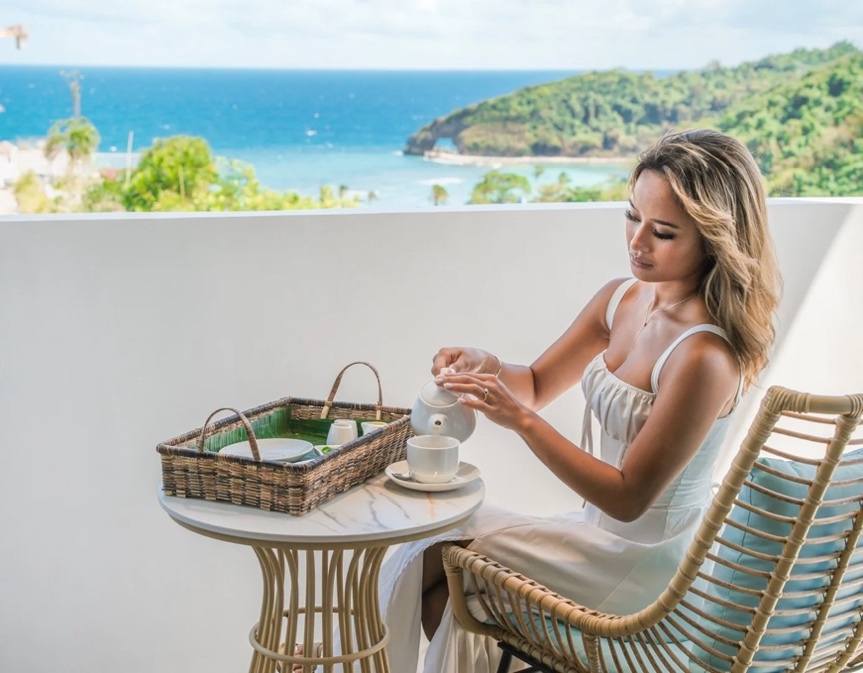
Tourism is pivoting from simple relaxation to active transformation and prevention. Post-surgical recovery, fertility and menopause programs, and sleep therapy are no longer side offerings at destinations like The Farm at San Benito, an eco-luxury holistic medical wellness resort located in Lipa City, Batangas, Philippines. These offerings are becoming the main draw.
Previously part of Chaudhary Group (CG) Hospitality Group and now officially joined Marriott International’s Autograph Collection, The Farm, highlights “longevity retreats”, mental and emotional well-being programs, There is also a growing demand for programs that blend traditional healing practices like hilot with modern, science-backed treatments.
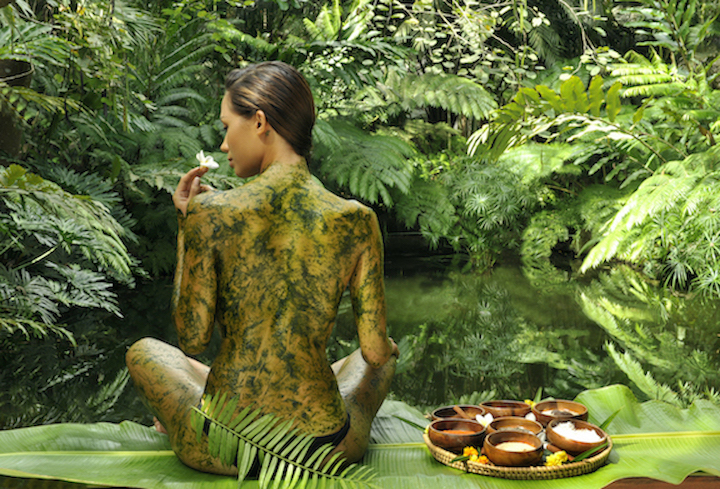
However, a major challenge is inclusivity. A significant portion of the industry remains a luxury accessible only to the wealthy, with wellness weekends often costing more than a month’s salary for many. This creates a crucial opportunity for innovation. The future lies in community-based wellness circuits and day-pass healing hubs, making self-care more accessible and democratizing the “Filipino Brand of Wellness”. By transforming local parks and coastal barangays into wellness zones, the industry can move beyond resort walls. Expect more Philippine resorts to formalize partnerships with insurers and hospitals, positioning the country not just as a place to relax, but as a place to recover and restore.
2. Hospitality and the “Mindful” Traveler:
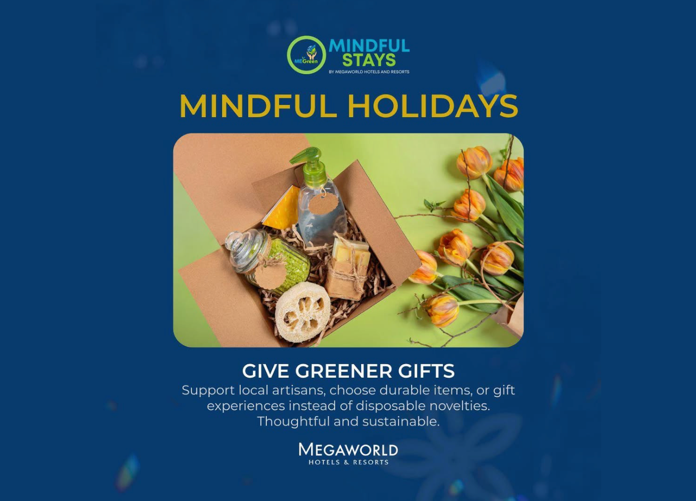
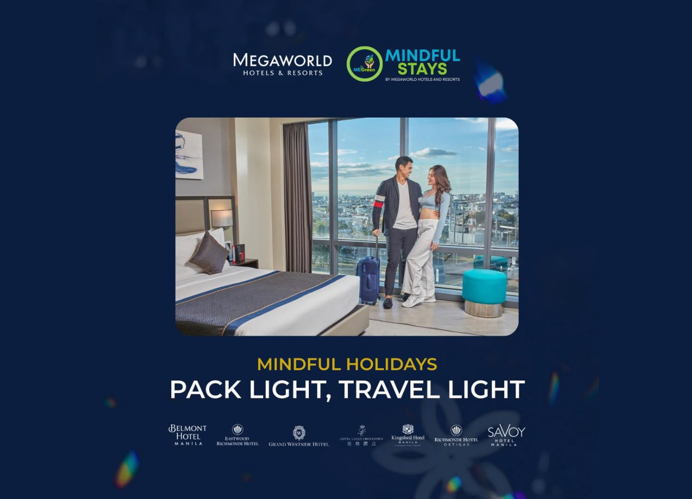
The hospitality sector is responding with purpose-driven offerings. Programs like Megaworld Hotels & Resorts‘ “MEGreen Mindful Stays” are a prime example, curating experiences that include locally sourced dining, mindfulness yoga, and community engagement as part of the stay. This aligns with the traveler of the future, who seeks authenticity and values brands that represent a commitment to sustainability and community enrichment.
3. “Filipino-ness” becomes the differentiator, not the disclaimer:
For years, Philippine wellness and beauty brands borrowed credibility from K-Beauty or Western norms. That’s inverting. Tropical-climate formulation, indigenous healing practices, farm-to-table wellness dining, and inclusive shade ranges for Morena skin are being marketed as the point.
4. Social commerce will keep outrunning traditional brand-building:
TikTok Shop has become, in practical terms, the distribution backbone of Filipino beauty and wellness brands, letting them trend alongside multi-national giants without traditional retail infrastructure. That’s a genuine advantage.
To succeed in this dynamic landscape, wellness brands must harness “Brand Powers”, namely Leadership Power, Experience Power, and Eco-System Power to navigate current trends and secure a future in this ambitious global movement. And in Philippine wellness broadly, the currently picture is mixed: real strength in one dimension, significant fragility in the other two.
Leadership Power: The Weakest Link
This is where the Philippine wellness sector is most exposed. Korean beauty built global authority around a coherent philosophy – “glass skin”, a skin-first doctrine – reinforced by a deliberate, government-backed cultural export strategy. Philippine wellness has no equivalent unifying doctrine yet. The Morena movement and the “Bebot” trend represent leadership in identity – they challenge and ask new questions rather than copy K-Beauty or J-Beauty playbooks – but that leadership is currently carried by individual founders and creators rather than by a category-wide narrative.
The Farm at San Benito has done something closer to true category leadership on the tourism side, with 22-years of consistency, an internationally recognized “Filipino Brand of Wellness” concept, and a genuine claim to have pioneered medical wellness tourism in the country. But that is one resort, not a national wellness-brand doctrine that others can build on.
The opportunity: Philippine wellness brands need to answer one sharper question: what do we as individual brands or as a whole industry lead in? Tropical-climate formulation? Evidence-based integration of traditional Filipino healing (‘hilot’, herbal medicine) with modern medicine?
Experience Power: Relevant, But Not Yet Ritual
Here the sector sits in an interesting middle ground: the values-fit is strong, but execution proof is still developing. Formulating for heat and humidity, building shade ranges around Morena skin as a founding premise rather than an afterthought, cruelty-free and paraben-free credentials — these speak directly and authentically to what Filipino (and increasingly diaspora) consumers actually want. That’s real Experience Power, grounded in relevance rather than manufactured marketing. The Farm at San Benito’s medically supervised retreats of sleep induction therapy combining acupressure with nutritional coaching, women’s health programs spanning fertility to menopause – are genuine signature experiences that create emotional stickiness.
But across the wider category, most of this experience still live in single moments: a viral video, a standout retreat stay, a trending shade range. Filipino wellness has emotional resonance. It hasn’t yet become habit at scale.
The opportunity: brands that will stand out over the next few years are the ones that convert a single strong touchpoint (a resort stay, a skincare line, a self-care ritual) into a repeatable, multi-touchpoint brand journey.
Eco-System Power: The Clearest Strength
If there’s one dimension where Philippine wellness and beauty brands are already winning, it’s this one. TikTok Shop has become the connective tissue – domestic brands trending alongside global giants, a sign of genuine ecosystem integration. Collaborations like BLK Cosmetics partnering with Bretman Rock turn a homegrown brand into a vehicle for cultural distribution, not just a celebrity endorsement. Creator-driven virality – a single “Bebot” video racking up millions of views and crossing over to non-Filipino creators – shows an ecosystem that self-propagates without requiring heavy brand media spend.
On the tourism side, government-industry collaboration (FDA regulatory fast-tracking, the Wellness Tourism Association of the Philippines) is also building ecosystem scaffolding that individual resorts can plug into.
The risk hiding inside the strength: who knows if in future whether TikTok Shop’s algorithm, policy, or commercial terms could shift overnight in ways no individual brand controls? For now, the virality and creator-consumer relationships earned from the platform is a borrowed advantage. The Eco-System Power Filipino wellness brands enjoy today needs to be diversified — into owned communities, loyalty ecosystems, and B2B partner networks (insurers, employers, hospital or medical systems, hospitality groups) — before it becomes over-dependent on a single platform.
The wellness wave in the Philippines is not a passing fad. Instead, the narrative is a generous economic and cultural shift. The Philippines is not short on wellness assets – whether on a cultural, natural, or entrepreneurial level. What the sector is still building is the brand architecture to convert those assets into lasting authority. The brands that thrive are those that understand the deep-seated human need for connection, restoration, and meaning.
By building robust Leadership, Experience, and Eco-System Powers, Filipino wellness brands can break through the noise and prove that well-being is not a privilege, but a right that fosters healthier, happier lives for all. So it’s not asking “how do we imitate what’s already aspirational,” but “what can the Philippines credibly claim?” The wellness brands that answer the ownership question institutionally — not just virally — are the ones that will still matter in time from now.
Sources:




To improve your experience, we use cookies to provide social media features, offer you content that targets your particular interests, and analyse the performance of our advertising campaigns. By clicking on “Accept” you consent to all cookies. You also have the option to click “Reject” to limit the use of certain types of cookies. Please be aware that rejecting cookies may affect your website browsing experience and limit the use of some personalised features.