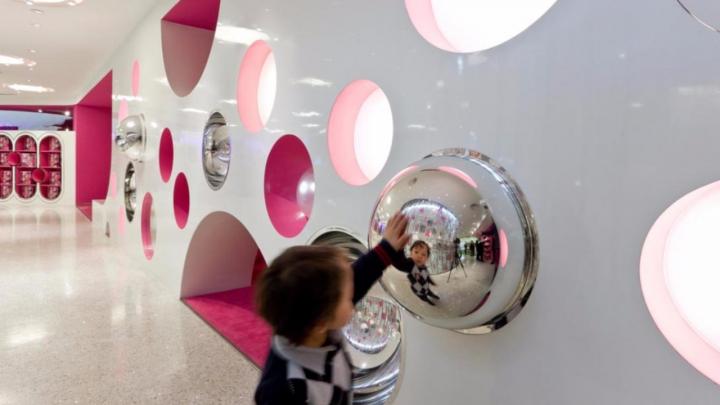

In the era of abundant choices and information overload, traditional promotional methods face diminishing effectiveness. Consumers seek more than conventional advertising in magazines or on TV.
The key to standing out lies in creating memorable brand experiences. Addressing the evolving landscape of consumer behavior, experiential branding has emerged as an innovative and compelling strategy. Discover how companies transform brand communication into immersive experiences that leave a lasting impression on consumers.
What is brand experience and experiential branding?
Brand experience refers to the sensations, feelings, perceptions, and behaviors triggered by interactions with a brand. The more impactful the experience, the stronger the impression it leaves. Brand experience also plays a crucial role in consumer satisfaction, loyalty, and a brand’s ability to command premium prices and maintain a competitive edge.
Experiential branding is the process through which brands strategically craft sensory interactions with consumers across all touchpoints to emotionally influence their preferences and shape their perceptions of the brand. These interactions encompass communication, brand environments, products, and services, all working in harmony to enhance brand equity.
How does brand experience build brand equity?
The combination of all interactions with communication, brand space, and product and service elements, make up a customer’s brand experience. The customer will then form a brand evaluation and perception based on these interactions. This is what builds brand equity in the consumer’s mind, and it is composed of four key dimensions: differentiation, relevance, esteem and knowledge. Various experiential branding methods impact different dimensions of brand equity, which must be carefully considered by marketers or brand managers when utilizing these methods.
In this article we will discuss the four dimensions of brand equity, and provide specific examples of experiential branding for each one, in order to discover how this creative branding activity can be used successfully.
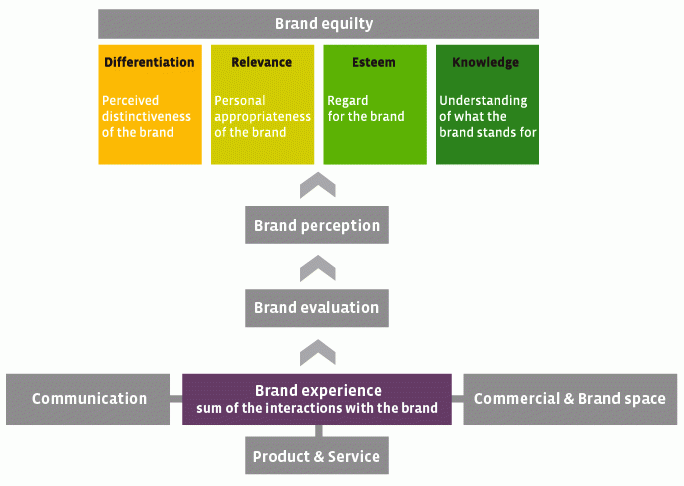
Differentiation is a brand’s ability to stand apart from others, and to gain consumer choice, preference and loyalty. It is the degree to which consumers find a brand unique. A compelling and memorable brand experience can attract customers’ attention and maintain their interest, and therefore contribute to brand differentiation.
In recent years, companies like Nokia, Apple, Barbie, and Gucci have opened flagship stores in China to provide more consumer-brand interaction opportunities. The newly-built Barbie Store in Shanghai is a 6-floor megastore with a spa, design center, café and interactive activities designed for girls. It became a hot spot in Shanghai very quickly, with thousands of girls now visiting the store every day. The branded experiences provided by the Barbie store will undoubtedly serve to differentiate the brand from others.

Flagship stores are one way that companies can connect and interact with customers to participate in experiential branding. They are also places to display limited edition products and unique service experiences, which can communicate the companies’ culture and brand values in ways traditional media cannot.
Relevance refers to how meaningful a brand is to their target consumers. Relevant brands are both appropriate and appealing. Niche and growing brands may choose to focus first on differentiation and then on relevance, whereas leading brands will excel on all four dimensions.
Adidas Brand Center in Beijing is both experiential and meaningful for customers, so it contributes to brand relevance. The retail center features a range of interactive zones including miCoach Core Skills, the recently launched miOriginals, mi Adidas, a juice bar, a dedicated ‘Urban’ area for exhibitions and events, a basketball court on the rooftop, a Concierge Desk and a children’s area. As you can see, there are products and interactions offered for Adidas’ various targeted market segments, ensuring that the customer’s experiences of the Adidas brand are highly relevant

Esteem measures the degree to which the target audiences regard and respect a brand—in short, how well it is liked. When companies grow larger and become more mature, brand esteem becomes more and more important. Today, companies often use indirect experiential branding methods to build brand esteem. One way to do this is through the Internet and social networking websites.
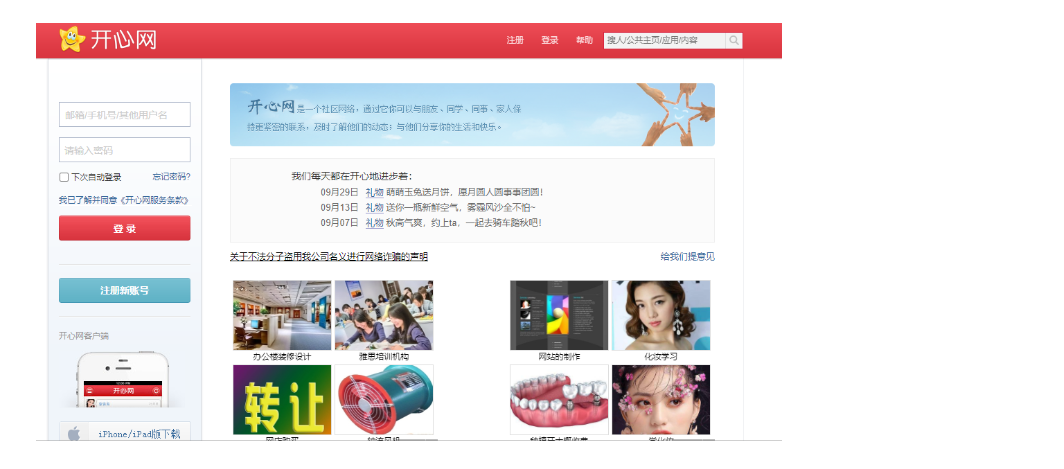
With the recent popularity of social networking services (SNS) such as Facebook, Twitter, Kaixin001, Renren, and many more, forward-thinking companies place their brand inconspicuously in the pages, games, and posts, of these sites. SNS websites are a new media which stimulate increased interaction with users. In the first half of 2009, Kaixin001 became China’s most popular SNS with over 83 million registered. Brands, media agencies, and organizations have used different approaches to connect with the community and target its netizens. An impressive and representative case is Lohas juice. It successfully promoted its brand in the popular SNS game “Kaixin Garden”. Through this interactive game, the juice brand not only promotes its products, but also portrays a lifestyle and an attitude which influences the customers’ brand perception.
Knowledge determines whether there is a true understanding of what a brand stands for. Brand awareness is a sub-component of knowledge. The level of brand knowledge is a signal of the company’s past performance, as well as a foundation for its further development. Positive and accurate understanding of the brand amongst target consumers results in brand loyalty. However, it is not enough for a brand to tell consumers what their brand means, they have to show them, and what better way to do this than through brand experience.
This is what Nokia is doing with its global customer service and experience center in Shanghai, which opened in August, 2009. The center provides hardware repair and software services to users of its mobile phones. The Shanghai experience center is a place for customers to learn more about their Nokia cellphones and experience what Nokia brand stands for. Helping their customers develop a deep and comprehensive understanding of their company will help Nokia consolidate their customer loyalty and brand equity.

As mentioned above, experiential branding, a creative branding process through customer experience, contributes to brand differentiation, esteem, relevance, and knowledge, and therefore is an effective way to build brands. Through interactive technologies, innovative retail spaces, and indirect online brand communication methods, consumers can now see, touch, hear, taste, and smell brands in ways they never could before. Flashy advertising and price-slashing product promotions are often not sustainable methods for brand building. Experiential branding, with the objective of building brand equity, has emerged as a promising and viable alternative.
Also Read: Labbrand creates olfactive identity for DS.
Create a unique brand experience for your target consumers. For more information, please contact global@labbrand.com.
Sources:
http://www.abnnewswire.net/press/en/53962/Worldapos;s_Largest_Adidas_Store_To_Open_In_Beijing
http://www.wikio.com/article/121205473
http://www.slideshare.net/CIC_China/cic-iwom-watch-1st-half-year-review-2046419
Josko Brakus, J., Schmitt, B.H., & Zarantonello, L. (2009). Brand Experience. Journal of Marketing, 73, 52-68.




To improve your experience, we use cookies to provide social media features, offer you content that targets your particular interests, and analyse the performance of our advertising campaigns. By clicking on “Accept” you consent to all cookies. You also have the option to click “Reject” to limit the use of certain types of cookies. Please be aware that rejecting cookies may affect your website browsing experience and limit the use of some personalised features.