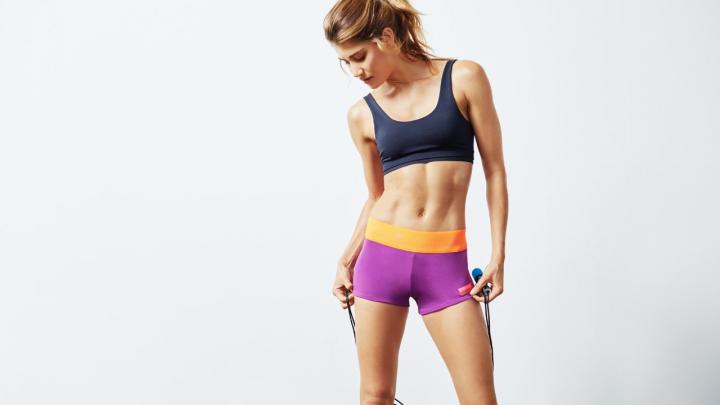

Keeping up with Chinese social media is a rollercoaster, with new viral topics emerging regularly. The latest buzz surrounds ‘skinny challenges,’ sparking intense discussions, especially among post-80s and 90s women. Uncover the darker side of this trend, featuring challenges like ‘belly button,’ ‘A4 waist,’ and ‘iPhone 6 legs,’ and explore the implications for sportswear brands in this dynamic digital landscape.
But the fitness craze that’s spread across the country in the last few months goes much wider than this.
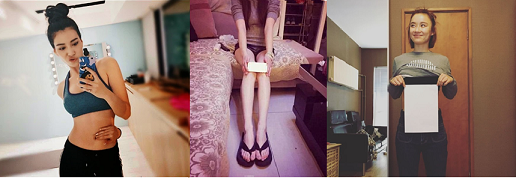
For centuries, Chinese beauty ideals centered around frail, thin silhouettes, tracing back to the Song dynasty. However, a notable shift is underway as a significant number of Chinese women embrace exercises like push-ups and weight lifting, prioritizing a holistic and healthier lifestyle. Explore this evolving landscape and the growing influence on sportswear brands catering to the changing preferences of the fitness-conscious demographic.
Where does this “Fitness Fever” come from?
International sports giants Nike and Adidas were quick to predict the rising popularity of fitness and developed campaigns targeted towards wooing savvy female millennials. Here we take a look at how they fine-tuned their branding messages to capitalize on this ongoing trend.
NIKE
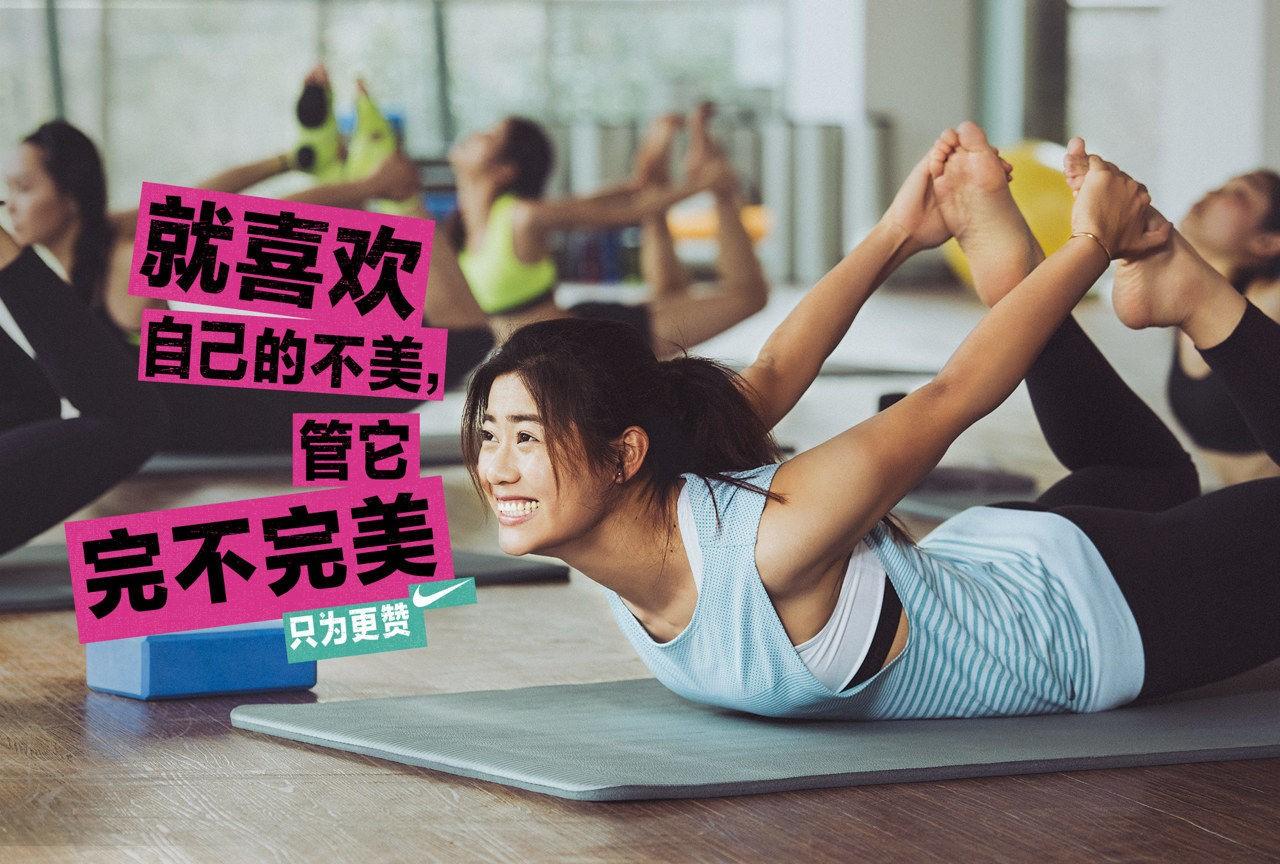
In 2015, Nike launched its “Better for It” campaign meant to spark women’s interest in sports. In China, the brand localized its TV ads under the tagline “只为更赞” (Better for it): contrary to the Western advertisements that follow everyday women in their yoga or spinning sessions, Chinese promotional videos feature female influencers like actress Wang Luodan relating to the frustrations of every day exercise. The result is a highly relatable ad that illustrates the love-hate relationship many have with working out, all the while driving home an aspirational message.
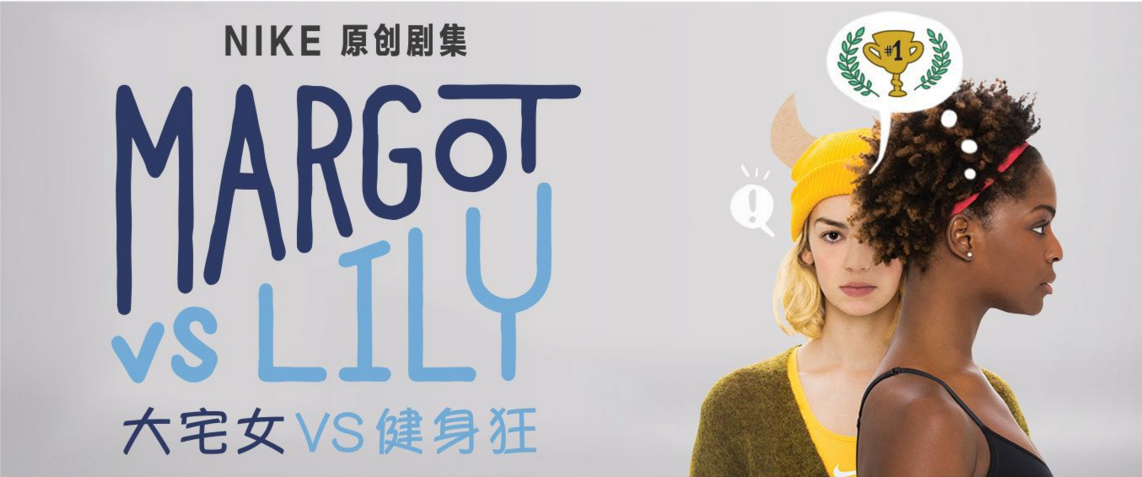
More recently, Nike tapped into the potential of storytelling as it unveiled an 8-episode web series focused on Margot and Lily, two adopted sisters with diametrically opposed personalities: Margot is an outgoing but recently unemployed young urbanite while Lily is an influential fitness vlogger with poor social skills. For the New Year, they engage in a sibling competition and challenge each other to go out of their own comfort zones – an adventure that is ripe with laughter.
This long-form video content shows an intimate way to connect with everyday female customers in China.
But the experience doesn’t stop here: at the end of each episode, viewers are invited to download the Nike Training Club app for additional workout tips and are encouraged to follow the brand’s official WeChat page to share their accomplishments and progress.
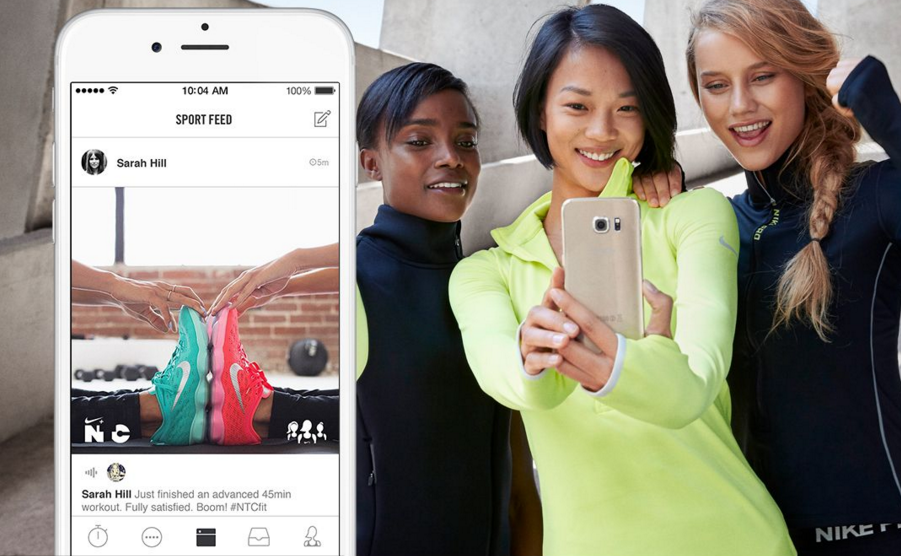
Nike Women stores are the culmination of digital campaigns, targeted brand messaging and opportunity in a high-growth segment. As of 2016, the brand had opened three women’s only stores around the world, one of which is in the busiest shopping artery of Shanghai.
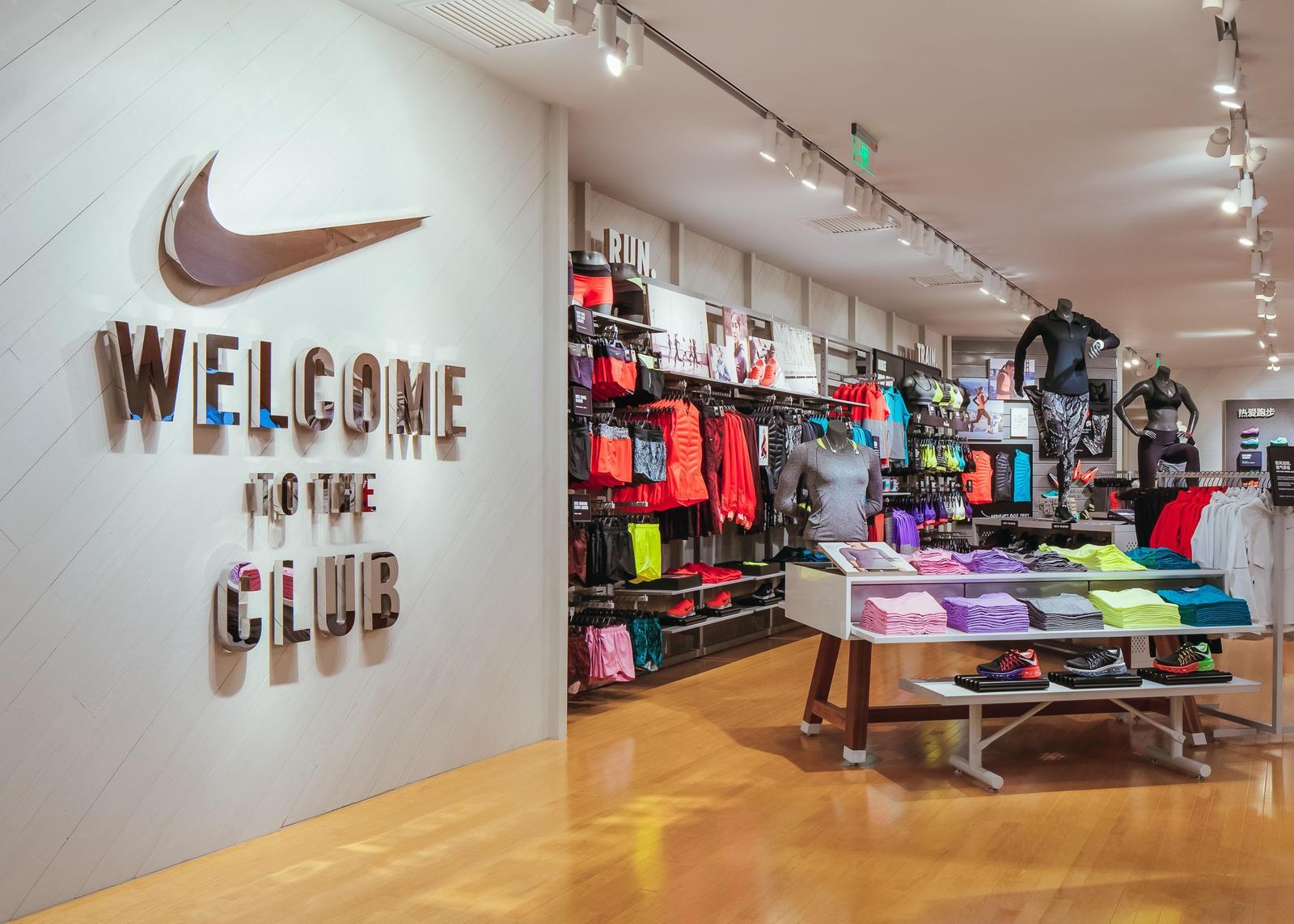
Nike Women stores are not simple retail outlets but rather offer bespoke services with professional coaches, providing on-site group training experiences and monthly Nike+Training Club events. Overall, Nike’s brand perception is that of a trusted partner that accompanies women in the various steps of their fitness journey.
ADIDAS
The German giant was among the first brands to target the health-conscious female segment of the Chinese market, with a very different narrative from its main competitor. Back in 2013, Adidas expanded its worldwide “All in for my girls” campaign in China under the slogan “以姐妹之名,全倾全力” (All in for my girls) to pique Chinese women’s interest in fitness through sisterhood. A year later, the brand came back with a new slogan “有姐妹,没有不可能“ (With my girls, nothing is impossible). This campaign featured Taiwanese singer Hebe Tian and her “sisters” as they happily enjoy yoga classes and bike around the city together. Rather than emphasizing effort, competition or performance Adidas explains fitness in the context of a fun, entertaining way to spend time with friends – just like having a shopping trip or an afternoon tea.
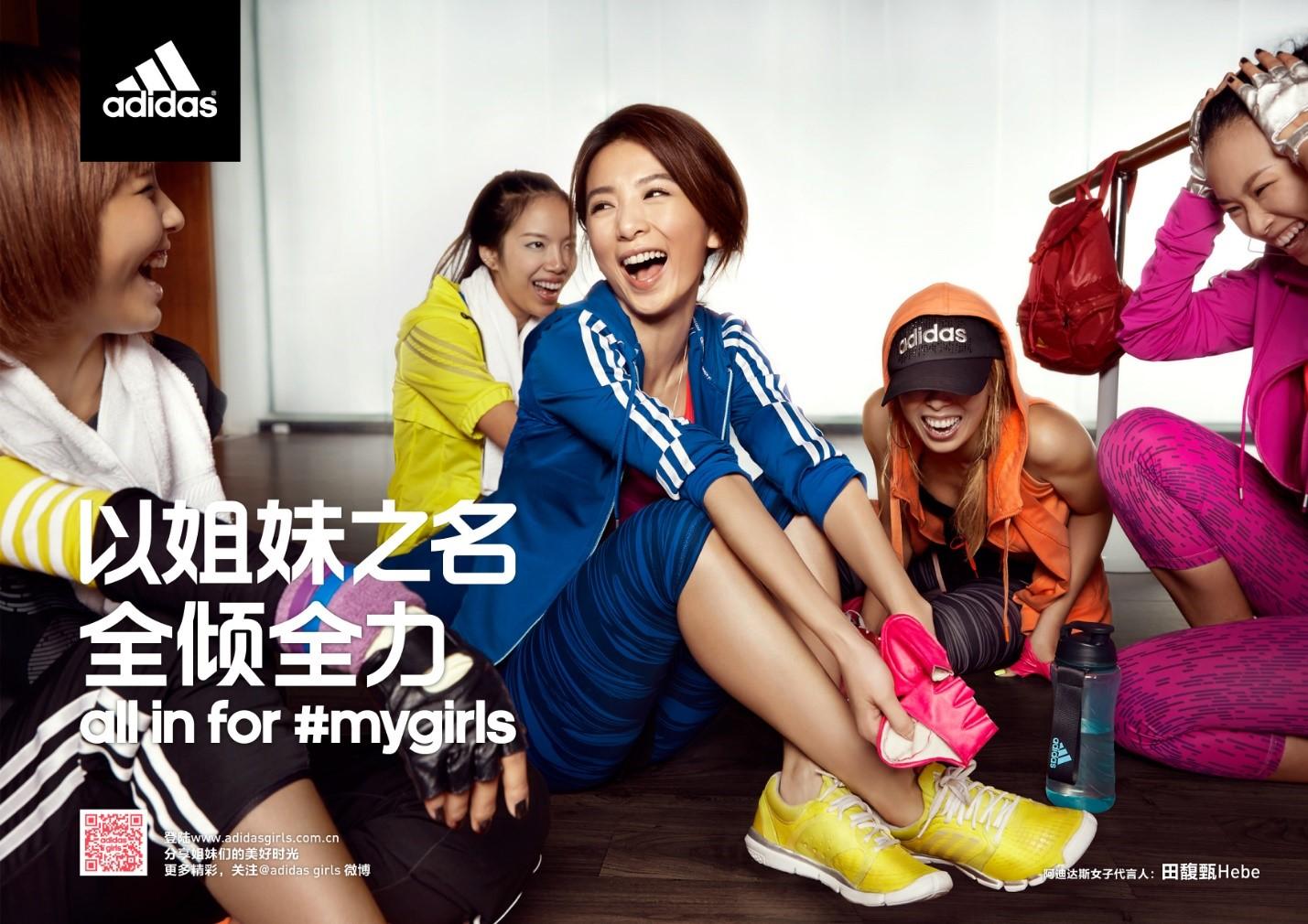
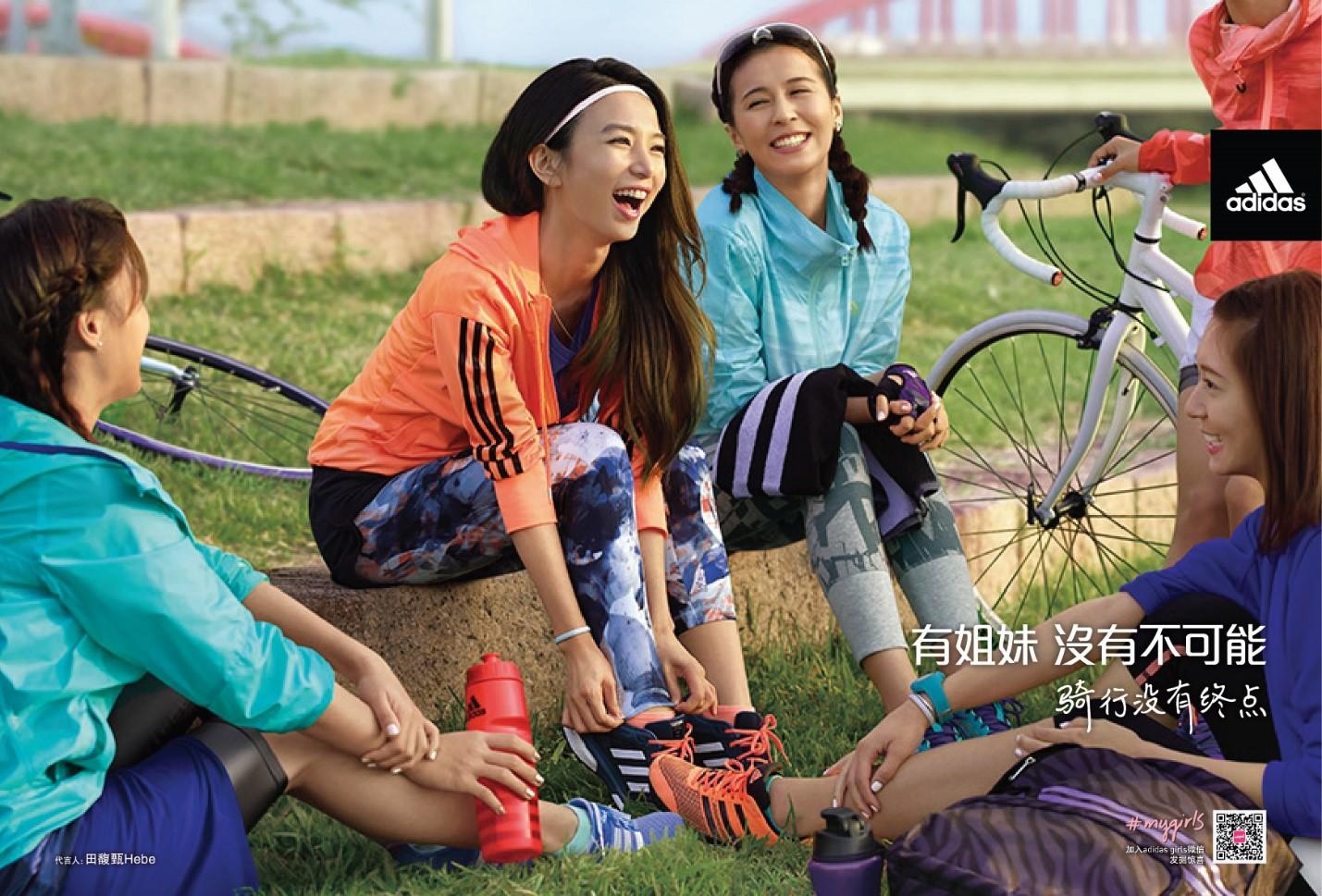
Adidas is progressively shifting its positioning alongside market trends, as it recently revealed its “Creating the New” vision for 2020. Chinese female consumers are indeed becoming more mature and sophisticated and are not merely interested in hanging out with friends in stylish sportswear, but are increasingly keen on tracking their performances and achieving results.
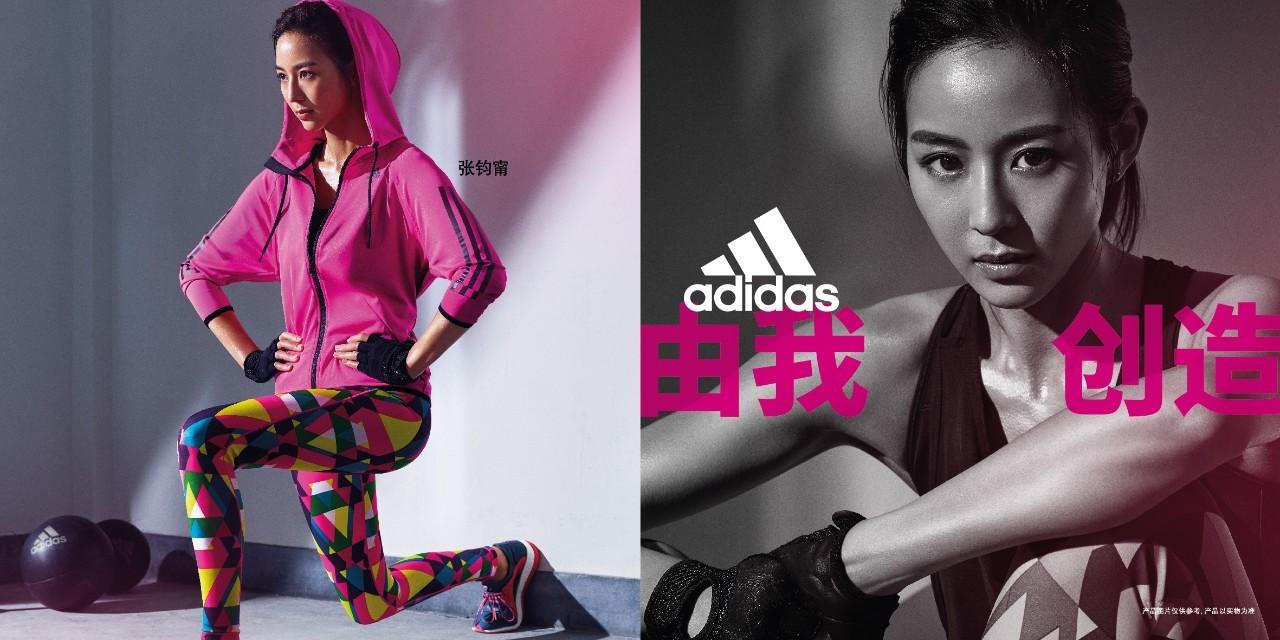
The brand’s latest campaign in China debuted last month under the tagline “由我创造” (I’m Here to Create), starring a number of local female athletes like tennis icon Coco Xu, Olympic race walker Liu Hong and fitness enthusiast actress Janine Chang. Each advertisement is a mix of professional footage, personal videos and stills from the celebrity’s own social media meant to empower women. Adidas is calling on their creative spirit to reshape the definition of sports and encourage them to push their boundaries.
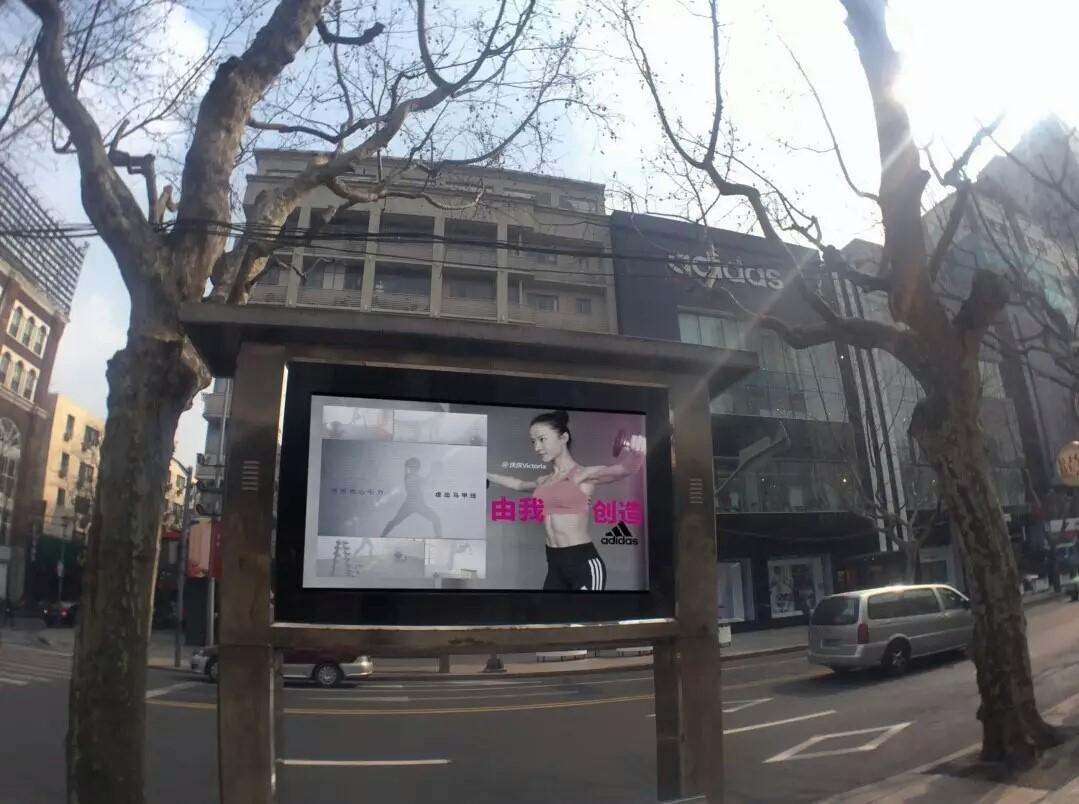
Alongside this offline campaign, Adidas has launched an interactive digital campaign inviting fans to upload their best workout selfie to create a personalized poster that could be shared on Weibo or WeChat. One winner will be chosen as the brand ambassador for the “I’m here to Create” campaign, with their selfie covering billboards and ad space all around Shanghai.
CONCLUSION
In the burgeoning fitness industry, brands must recognize a key insight: Chinese women are drawn not only to functional and fashionable aspects but are also embracing an entirely new lifestyle. Success lies in delivering compelling cross-channel campaigns that resonate with this trend, utilizing digital activation to capitalize on the evolving workout culture. Explore how sportswear brands can thrive in this dynamic landscape.




To improve your experience, we use cookies to provide social media features, offer you content that targets your particular interests, and analyse the performance of our advertising campaigns. By clicking on “Accept” you consent to all cookies. You also have the option to click “Reject” to limit the use of certain types of cookies. Please be aware that rejecting cookies may affect your website browsing experience and limit the use of some personalised features.