

When you think of a great brand, what comes to mind? Some of the most valuable brands in the world today include Google, Microsoft, Coca Cola, IBM, McDonalds, Apple, and China Mobile. These companies have successfully built brand equity and are well established in consumers’ minds. But who are their customers? Are they individuals, or other companies? Your target consumer determines your brand strategy, and there are key differences when branding for business-to-business (B2B) as opposed to business-to-consumer (B2C) companies. One main difference between individuals and businesses as consumers involves how purchasing decisions are made—businesses make purchase decisions collectively with multiple decision makers. Therefore, general awareness and knowledge of B2B brands in the marketplace is absolutely essential. This article will examine the importance of branding for B2B companies and look at a few ways to build a strong B2B brand.
Many B2B companies have not effectively differentiated their brand from others. For example, the audit firms formerly known as the “Big Five” initially did not manage to differentiate themselves from one other. A survey conducted by PriceWaterhouseCoopers at the time of their merger showed that “the business community and the general public did not perceive any compelling differences between and among the Big Five. Not only did all firms appear to have similar defining qualities, they were also not sending any consistent message about their organisations to external audiences.” Around 10 years later, the situation remains the same. Although KPMG, Ernst & Young, Deloitte, and PWC all provide similar services, each firm is proficient in different areas. Due to a lack of focus on branding, the differentiating points of these large B2B audit companies are often not apparent in the B2B marketplace.
An example of a differentiated B2B brand is Dell computers. Dell has not only utilized an innovative business model, they have always communicated to consumers and business the factors that make their brand different. For example, Dell was one of the first computer companies to allow customers to custom-configure and purchase computers online. For their B2B clients, Dell offers extensive Enterprise Resource Planning systems and e-commerce solutions. At the beginning of 2008 Dell launched a revised services-and-support scheme for businesses named “ProSupport” which offers more options to companies to tailor Dell services to fit their specific needs. Although there are many competitors providing computer solutions in the B2B environment, Dell has been a very popular choice over the last few years because they consistently abide by their brand promise to deliver customized product and service offerings, timely delivery, and reasonable prices.
One way a B2B company can strengthen their brand is by moving from a “house of brands” to a “branded house”. An example of a house of brands would be Procter and Gamble, who possess many brands within an overall portfolio. Consumers may not necessary connect the individual brands within the portfolio to the Procter and Gamble corporation. On the other hand, a branded house is when brands use a single name across all products and services, like the Virgin Group. Virgin brands are too numerous to list here, but some include Virgin Airlines, Virgin Records, Virgin Media, Virgin Money, and more.
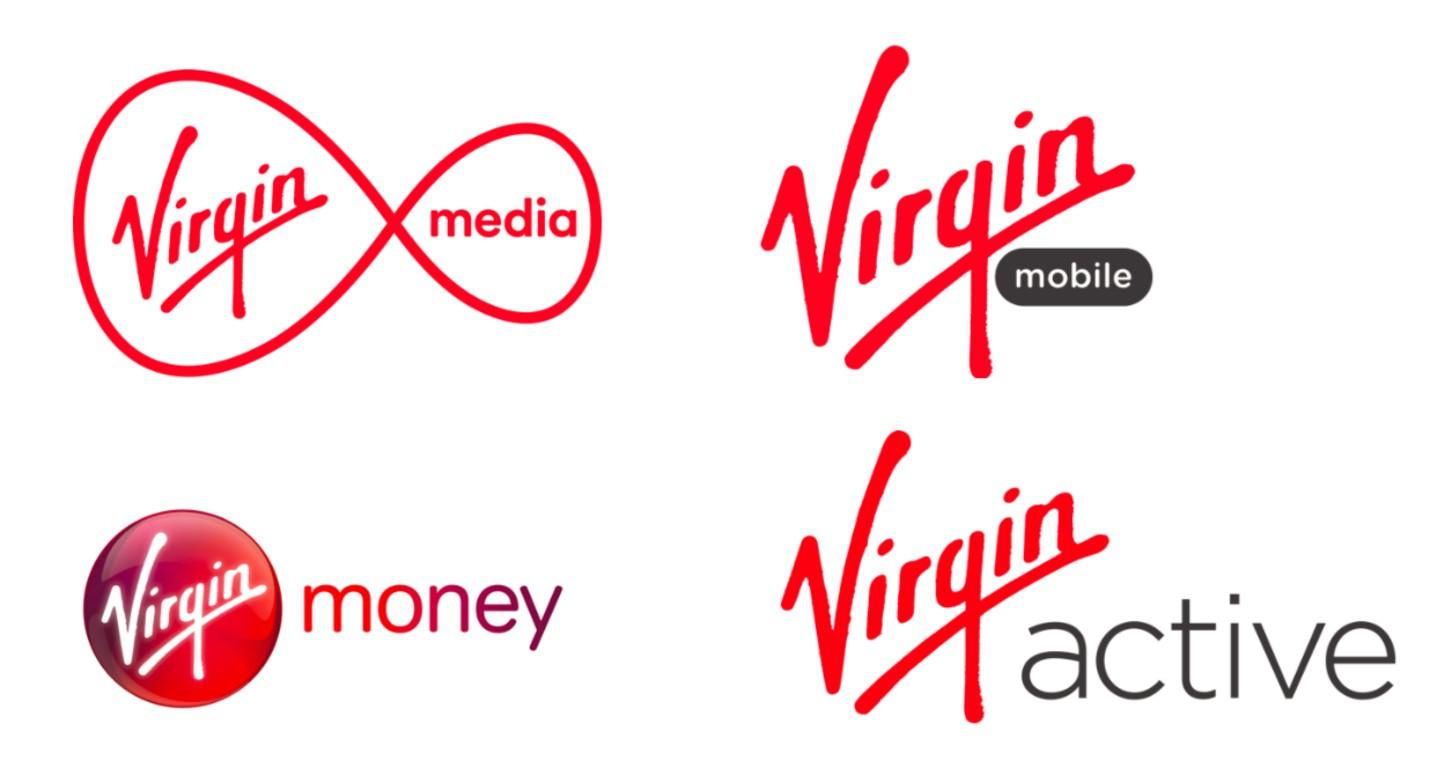
When a branded house launches a new product or sub-brand, it is more easily accepted by consumers due to its affiliation with the original brand. In addition, the original brand image may be enhanced by successful sub-brands. A branded house strategy must be carefully thought out in order to benefit from the virtue of the original brand while expanding its portfolio of activities. Once the strategy is in place, companies should then carefully choose new products or service categories such that the original brand brings valuable associations and adds credibility to them. It should be noted that the branded house strategy has its own inherent risk: a huge failure in one category could potentially put the whole portfolio at risk.
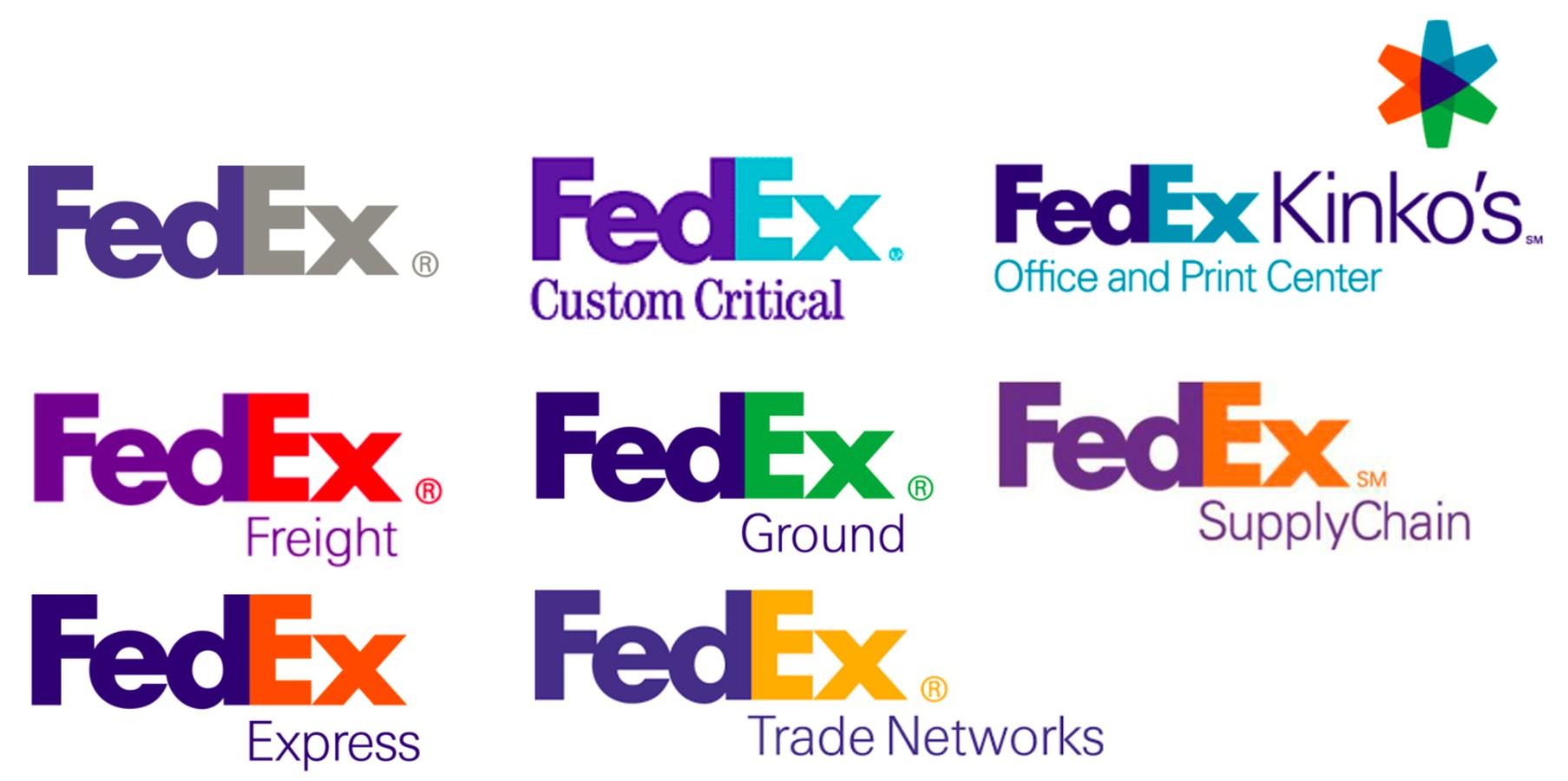
FedEx is an example of a company operating in the B2B area that has strengthened its brand by going from a house of brands to a branded house.
Internal branding refers to how effectively the brand is understood and believed in by the employees of the company. If the brand strategy is well established in the minds of staff it will allow them to effectively communicate the brand’s message to clients and other stakeholders. In turn, this should enhance the customer experience and improve the bottom line. Having a strong internal brand will also help to recruit and retain qualified personnel. People who connect with your brand will want to work for you, and once they are within the organization they will continue to contribute to your brand’s success. However, internal branding efforts cannot be taken lightly— all internal processes, practices and symbols must reflect brand values.
Although it may be thought of as both a B2B and a B2C company, Google is an example of an organization with strong internal branding. As a result, in 2007 and 2008, Fortune Magazine ranked Google as the number one place to work .Google’s corporate philosophy reflects the brand’s values, containing principles such as “Great just isn’t good enough“, “Google does search”, “Google believes in instant gratification”, “you can be serious without a suit,” and “the need for information crosses all borders”, to name a few.
So how is internal branding actually done? Employee training is an effective tool, but support from management is a key factor for successful internal branding. As is the case with Google, the brand values should be conveyed in corporate mission statements and reinforced by the words and actions of upper management.
As you can see, B2B branding shares some similarities with B2C branding, yet it is different in many ways. We have only touched on a few methods that B2B companies could employ to build their brand. Even this brief analysis proves that brand strategy is often neglected by B2B companies, although it is crucial for their success.




To improve your experience, we use cookies to provide social media features, offer you content that targets your particular interests, and analyse the performance of our advertising campaigns. By clicking on “Accept” you consent to all cookies. You also have the option to click “Reject” to limit the use of certain types of cookies. Please be aware that rejecting cookies may affect your website browsing experience and limit the use of some personalised features.