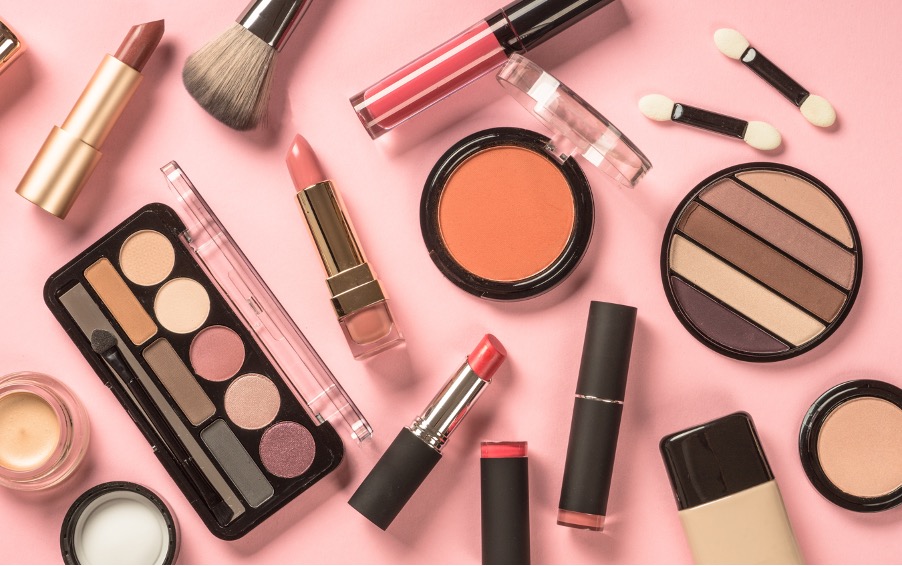

From the Bebot revival to the Morena movement and a wave of homegrown brands going viral, Filipino Beauty (‘Fil-Beauty’) is no longer a footnote in Asia’s beauty story. Instead, it is challenging inherited ideals and building something distinctly its own.
Asia’s beauty landscape has long been defined by three dominant forces: the glass-skin minimalism of K-Beauty, the precision rituals of J-Beauty, and China’s increasingly powerful domestic market. Each evolved from a distinct cultural philosophy and shaped what the rest of the region aspired to.
The Philippines, by contrast, spent much of its modern beauty history looking outward – first absorbing Western ideals carried over from decades of colonial influence, then adopting the K-Beauty and J-Beauty frameworks that swept across Asia. What is shifting now is that Fil-Beauty is beginning to define itself on its own terms. Local cultural movements are quietly challenging inherited norms – around skin tone, femininity, around what beauty stands for – and the brands, aesthetics and values emerging from that reckoning are distinct in ways that matter beyond the Philippines. Fil-Beauty may not yet rival its neighbors in global reach, but it is developing something the others did not have: a beauty identity built in direct conversation with, and often in resistance to, the ideals that were imposed on it.
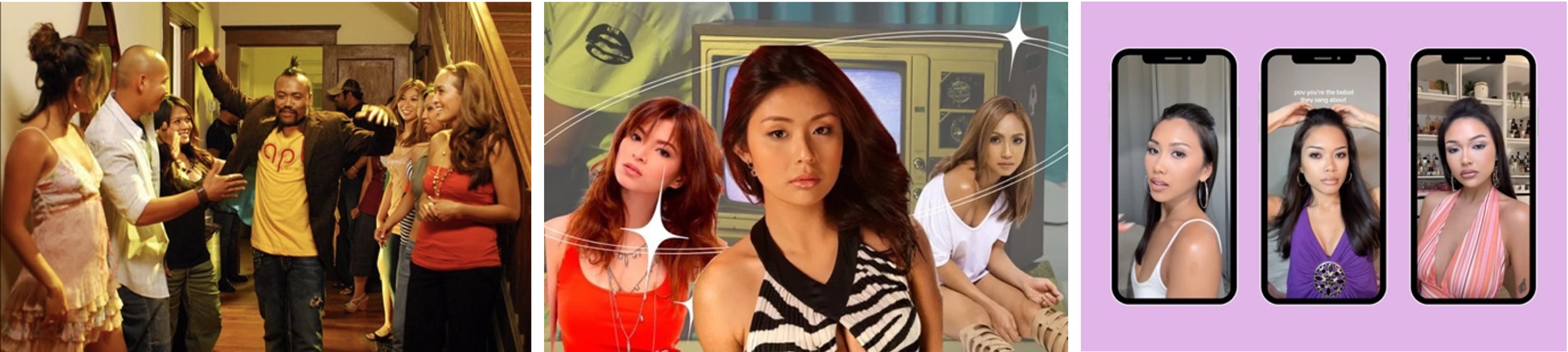
Perhaps the clearest sign of Fil-Beauty’s cultural confidence is the ‘Bebot’ trend in celebration of Pinay pride featuring a nostalgic ‘Filipina Baddie’ look. Rooted in a Black Eyes Peas song from 2005, the trend sees creators reveal a classic early-2000s Filipino glam look when the beat drops: frosted eye shadow, thin drawn-on brows, and glossy lined lips. It is simultaneously throwback and declaration.
“For the first time in all my years of reporting on beauty, being Filipina is actually aspirational,” wrote beauty journalist Kristina Rodulfo in her newsletter Pearl. Creator Monique Libres’ ‘historically accurate bebot’ video alone racked up nearly five million views, and the trend has since crossed over to non-Filipino creators – a rare instance of a beauty aesthetic travelling from Filipino culture outward, rather than the reverse.
The Bebot trend is not simply nostalgia for frosted eyeshadow. As Rodulfo argues, it is a meaningful reclamation – a generation of Filipinas who grew up with dark skin, flat noses and features are now seeing those very characteristics being celebrated and emulated.
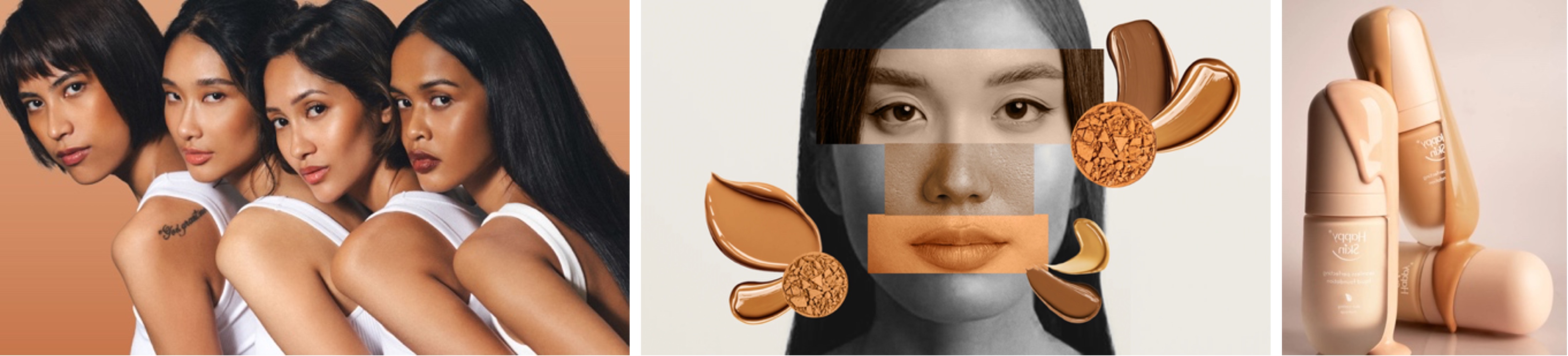
Behind the viral trends sit a deeper cultural shift: the Morena movement. For decades, Filipino beauty standards were shaped by colonial ideals that prized lighter skin – a legacy of Spanish and American occupation that made whitening products amongst the country’s best-sellers. The Morena movement, championed by influencers, entrepreneurs, and brands alike, pushes back against that inheritance by centering and celebrating the warm, brown skin tones that are the Filipino norm.
Figures like Marj Maroket – beauty influencer and entrepreneur behind Happy Skin – have become defining voices of this shift. As L’Officiel Singapore April 2026 digital cover story describes her, Maroket is “one of the guiding lights in making the Morena movement actionable – educating, inspiring, and now elevating it through products that put Filipino beauty first.”
This is not merely a social media talking point. It is reshaping product development: shades formulated for morena skin, campaigns featuring unretouched deeper complexions, and a viable industry-wide move away from the whitening obsession that characterized previous decades.
The viral moment Filipino beauty is experiencing would not be possible without a new generation of brands that have quietly built compelling products. Sunnies Face – frequently cited as the breakout name that first drew international attention – offers aesthetic, Instagram-ready packaging at accessible prices, with shade ranges designed to flatter the full spectrum of Filipino skin tones. BLK Cosmetics, Happy Skin, GRWM Cosmetics, Detail Cosmetics, and Issy & Co. are among the others gaining rapid traction.
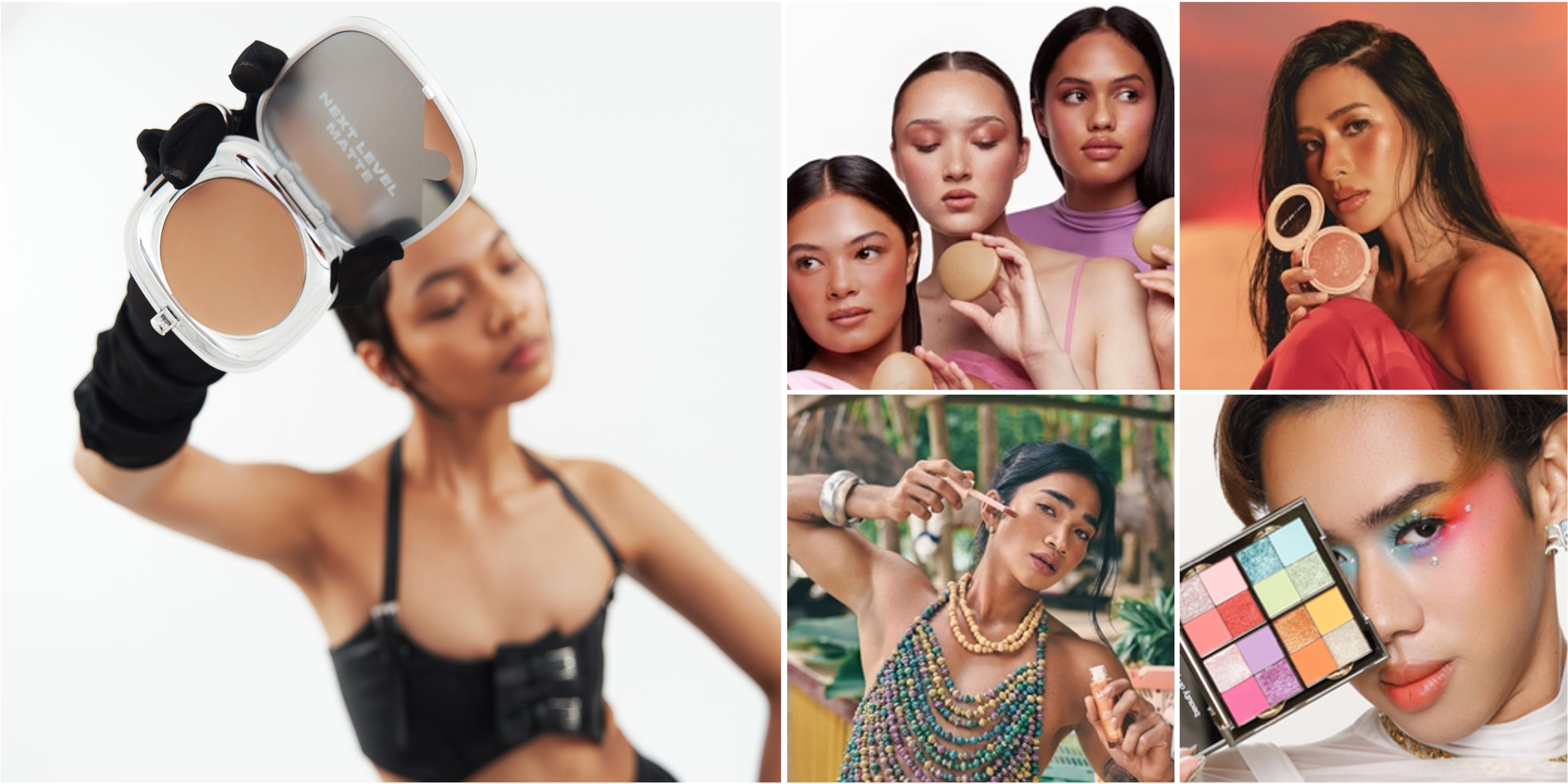
What these brands share is a distinctly Filipino proposition: formulas built for tropical climates, with heat- and humidity-resistance baked in; inclusive shade ranges that don’t treat morena skin as an afterthought; and price points that make quality beauty democratic. The cruelty-free and paraben-free credentials many of these brands carry also align well with the values of younger international consumers.
With TikTok Shop becoming the launchpad of choice, social commerce has been the accelerant, especially with domestic brands like Happy Skin and Colourette consistently trending alongside international giants. With the young, digitally native population in the Philippines being amongst the most active social media users in the world, this has created a uniquely powerful environment in which local beauty culture can develop and export itself simultaneously.
The K-Beauty comparison is now inescapable – and instructive. Korean beauty’s global dominance was not accidental; it was built on a coherent aesthetic philosophy (glass skin, skin-first approach), government cultural export strategy, and a globally curious fanbase primed by K-pop and K-drama. Fil-Beauty has strong cultural soft power in its corner too – the Filipino diaspora is among the largest in the world, spread across the United States, the Middle East, Europe, and Asia – but the infrastructure for a comparable global push is still developing.
What makes Fil-Beauty intrinsically Filipino: makeup engineered for tropical heat and humidity, sun-care integration as a standard rather than an add-on, shade ranges that finally put brown skin first, and an aesthetic rooted in the vibrant, joyful culture of the Philippines rather than borrowed beauty ideals. The Bebot trend and the Morena movement are early proof that this identity had global resonance – not because it mimics what came before, but because its authentically distinct.
Although Fil-Beauty is not yet K-Beauty, it is for the first time, asking the right questions about what it wants to be – and the world is beginning to pay attention.
LABBRAND’s Brand Power framework splits brand strength into three dimensions — Leadership, Eco-System, and Experience. Applying it to the Fil-Beauty landscape, it presents a mixed picture: strong on some fronts, still emerging on others.
Leadership Power
This is where Fil-Beauty is arguably weakest as a category. The Bebot trend and the Morena movement show Fil-Beauty asking new questions rather than following K-Beauty or J-Beauty playbooks – that’s leadership in identity. Unlike K-beauty, which had a coherent philosophy (glass skin) plus government-backed export strategy, Fil-Beauty still lacks a unifying aesthetic doctrine that the rest of the region looks to. Sunnies Face comes closest to category leadership – it’s repeatedly cited as the brand that first drew international attention, effectively setting the template (aesthetic packaging, accessible price, broad shade range) that others followed. Happy Skin, through Marj Maroket, is building leadership less through product and more through actionable narrative. That’s a soft-power form of leadership, but individual-founder-driven rather than institutional.
Eco-System Power
This is Fil-Beauty’s clearest strength right now. TikTok Shop has become the connective tissue of the entire movement. Brands like Happy Skin and Colourette trend alongside global giants, which suggests genuine ecosystem integration. BLK Cosmetics’ collaboration with Bretman Rock is a strong example of Eco-System Power in action: pairing a homegrown brand with a globally recognized Filipino creator turns the partnership into cultural distribution, not just a celebrity endorsement. Creator-driven virality (Monique Libres’ bebot video, the trend’s crossover to non-Filipino creators) also shows an ecosystem that self-propagates without heavy brand spend – arguably Fil-Beauty’s biggest structural advantage over more top-down beauty industries.
Experience Power
Here’s where the values-fit is strong with execution proof is still developing, and these are typically demonstrated through a trend, a video rather than entire skincare philosophies or religious “10-step routines” like what K-Beauty has. Formulating for heat / humidity resistance, inclusive shade ranges for morena skin, and cruelty-free / paraben-free credentials all speak directly to what Filipinos (and increasingly diaspora and international) consumers actually want — that’s Experience Power built on relevance, not just marketing. GRWM Cosmetics and Issy & Co. seem to be leaning hardest into this with shade-inclusivity as a founding premise rather than an added line extension signals a more intentional consumer relationship. Fil-Beauty has emotional resonance but hasn’t yet become part of the rituals that turn a moment into a habit.
In conclusion, Fil-Beauty isn’t K-Beauty yet, but it is asking the right questions and on the right track, garnering trust and participation before it earns category-defining authority. What is still unproven is whether any single brand can convert that cultural momentum into the kind of category authority other beauty trends took decades to build – and that gap is the real opportunity for Fil-Beauty.
Sources:




To improve your experience, we use cookies to provide social media features, offer you content that targets your particular interests, and analyse the performance of our advertising campaigns. By clicking on “Accept” you consent to all cookies. You also have the option to click “Reject” to limit the use of certain types of cookies. Please be aware that rejecting cookies may affect your website browsing experience and limit the use of some personalised features.