

At a time when consumer values are rapidly reshaping industries, we’re living through a moment where sustainability is no longer optional in beauty – it is expected. Consumer demand continues to lean towards brands and products that are ethical, transparent, and environmentally responsible. Yet, the same consumers are also equally drawn to sensorial textures, luxurious experiences, and the enchanting allure that beauty has always promised, along with everyday realities of performance and practicality. This internal tug-of-war is the very essence of green beauty paradox – the quiet tension between our values and desires, shaping how we choose, use, and justify – revealing more about the modern consumer than we’d like to admit.
Conscious consumerism is generally defined by the practice of doing good through one’s purchases. In beauty, this translates into a shift towards products that are not only effective, but also responsible. Sustainable products are those that minimize environmental impact while ethical products emphasize cruelty-free testing and fair sourcing. In consideration of both sustainable and ethical practices, clean products are ones that also actively avoid harmful or controversial ingredients and formulations. While the terminologies and criteria vary across the board, the underlying expectation is clear – consumers want products that are good for both people and planet.
So why now? The rise of conscious consumerism is fueled by several key drivers: atop the heightened awareness of and consciousness towards environmental and social issues, consumers today benefit from unprecedented access to information – and with that comes an expectation for fuller transparency towards one’s ingredients and formulations, supply chains, partnerships, and other business practices. Moreover, the rise of health and wellness culture has given green beauty a powerful halo of holistic health, making it feel like a natural extension of self-care, while social media ecosystems and value-based identities simultaneously amplify the importance of choosing products that reflect one’s personal ethics and beliefs.
In response, the industry is seeing a surge of green and purpose-driven brands and products – be it embracing sustainable and ethical practices or prioritizing clean formulations to capture the modern conscious consumers. However, the reality isn’t as straightforward. While many consumers claim to lean towards green beauty, their actual purchasing behavior may not necessarily always align with these intentions.
Beauty, at its core, is never just functional; it’s deeply emotional. It is an experience that engages the senses, evokes desire, and reinforces one’s personal identity. The brands and products we choose are often intrinsically intertwined with our moods, rituals, and touches of self-expression – whether they act as a confidence boost, a rewarding indulgence, or a moment of escape from the mundane everyday, they are about how we feel as much as how we look.
Think the shimmering glow of a highlighter, the luscious, creamy texture of a night cream, or the subtle, fragrant scent of a lotion; these cues reveal a key insight – a product’s power isn’t just in what it does but in how it looks, smells, glides, transforms, and uplifts. As such, when rational concerns become the sole or primary focus, green beauty brands risk losing the sensorial and aspirational pull that makes people care in the first place.
Often expressed through stripped-back formulas, claim-backed or evidence-backed headliners, subdued eco-packaging and hyper-minimalist, muted designs, green beauty products tend to signal logical responsibility yet lack the sensory richness or emotional reward that consumers inherently seek. As such, when they lean towards “less is more”, they may sometimes end up feeling like “less is… less”.
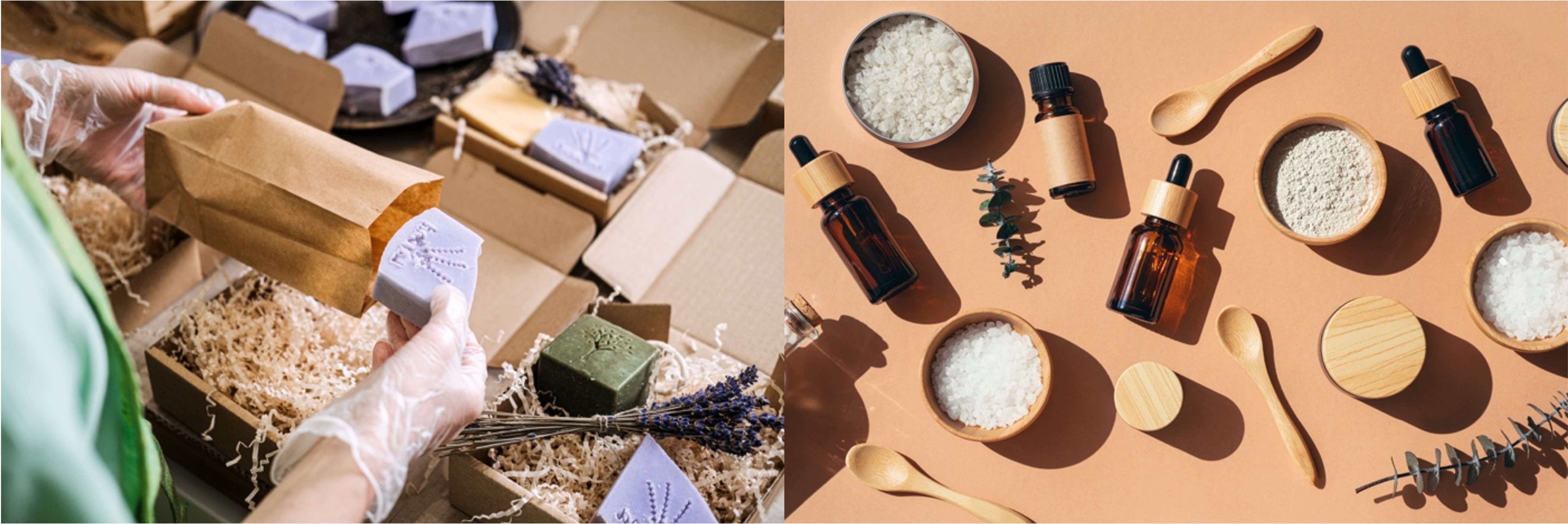
The emotional complexity briefly outlined above is essentially what sets the stage for the paradox itself – green themes ask for rational responsibility, while beauty invites feeling, indulgence, and escape, creating a series of tensions that explains why consumers often struggle to reconcile their values with their desires.
Tension #1: Virtue vs Indulgence
Green beauty’s minimalist identity signals virtue, but rarely delivers the sensory richness, visual drama, or aspirational storytelling that makes beauty emotionally compelling. This tension reveals a core paradox: the more a product emphasizes on ethics and simplicity, the harder it is to satisfy the human craving for delight and spectacle. Consumers often end up bouncing back and forth between the desire to uphold their values with the desire to treat themselves, and rarely do these instincts align perfectly.
Tension #2: Green vs High Performance
While consumers are drawn to cleaner, more sustainable formulations, there’s often scepticism about their effectiveness – green beauty products that are seen as gentler and safer are assumed to be less powerful. And high performance tends to carry the psychological assurance of fast, visible results. This creates a tension between natural appeal and the desire for potency impact, because for many consumers, these two elements still feel at odds. The added complication comes when emerging reports show how greener ingredients can sometimes be harsher than what it replaces. Certain botanical extracts, for example, when used in high concentrations, may be more sensitizing than their historically stable counterparts, contributing to a noticeable uptick in skin irritation and contact dermatitis and challenging the assumption that greener formulations are inherently gentler and safer.
Tension #3: Commitment vs Convenience
Green practices often demand extra effort – refills, recycling, and other low-waste routines require time and commitment which can feel cumbersome. The tension arises when these extra steps clash with the desire for ease, speed, and minimal disruption; consumers aspire to make greener choices yet are often unwilling to compromise on the practical convenience of their daily routines. Where moral aspiration meets behavioral inertia – it is this action gap that fuels one of the paradox’s most persistent contradictions.
Tension #4: Transparency vs Aspiration
Hyper-honest storytelling, ingredient disclosure, and ethical communication can sometimes conflict with the allure, mystery, and fantasy traditionally associated with beauty. As such, when brands strip back the gloss to be transparent, they risk puncturing the emotional lift and mystique that makes beauty feel elevated. This is where the tension emerges between clarity and enchantment, whereby revealing every detail can feel conflicting with the emotional, aspirational experience consumers seek.
Tension #5: Trust vs Skepticism
Most consumers want to make the right choices, yet they hesitate. The tension lies because of a perceived trust gap with regards to green products, where consumers remain wary of exaggerated claims, unclear labels, and other various greenwashing practices, thereby creating a push-pull effect between wanting to support and fearing deception. After all, with so many different green tags in the market, it’s easy to wonder which brands truly deliver – and it is this tension that constantly tempers consumer intentions, leaving a persistent friction between trust and skepticism.
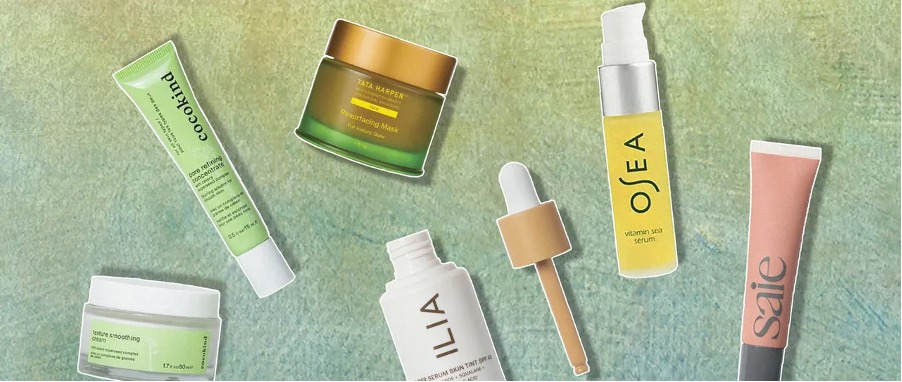
While the green beauty paradox presents significant challenges, many brands see it as an opportunity to innovate, differentiate themselves, and expand both their influence and emotional connection with consumers. Those that succeed often do so by leveraging a combination of Influence, Experience, and Leadership Power, proving that their products can be as desirable, indulgent, and culturally relevant as conventional beauty.
Influence Power: Inspiring new desires
By weaving ethical practices into savvy and culturally relevant storytelling, collaborations, and social media moments, some brands have cracked the code on making green desirable, turn responsible beauty into a status symbol. Here, green is no longer just “the right choice” – it’s also aspirational, in‑trend, and undeniably stylish, turning these products into an exciting and coveted want, rather than simply one that they should buy. This social authority also extends influence towards adopting new behaviors and routines, making ethical beauty both a choice and a movement and setting new norms for what responsible consumption looks like.
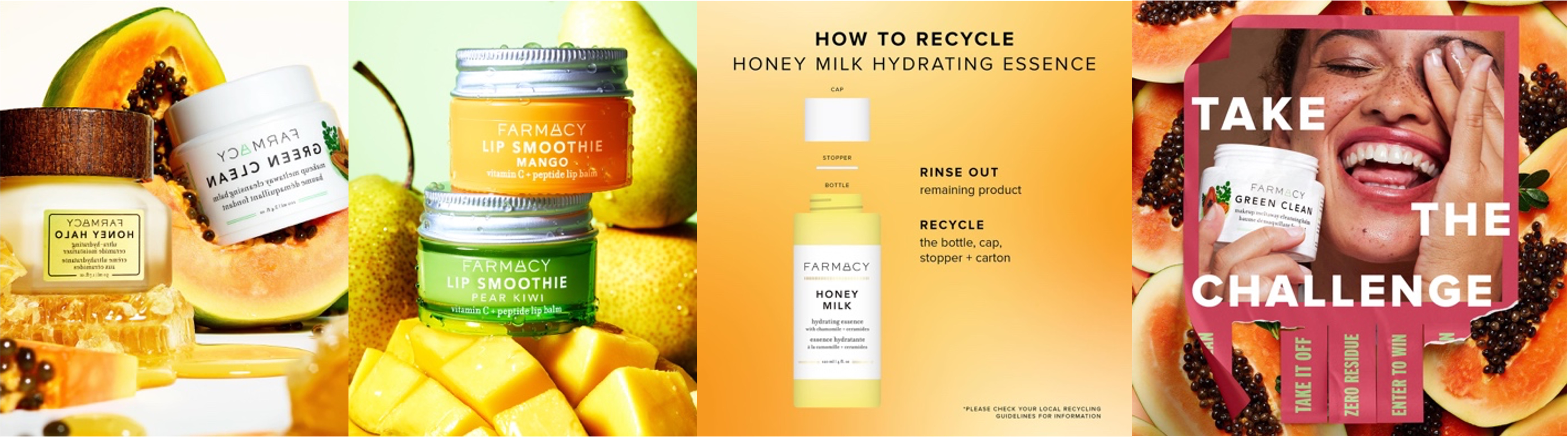
From rich, dewy moisturizers to playful, glossy lip smoothies, Farmacy makes clean, natural skincare feel irresistibly desirable. While its sensorial textures, vibrant packaging, and fresh, farm-inspired aesthetics turn every product into a treat, its savvy social media presence engages influencers and real consumers alike, challenging them to test the effectiveness of its formulas and share their experiences – making sustainability feel interactive, attainable, and culturally relevant. At the same time, the brand continues to encourage consumers to be active participants in eco-friendly post-purchase routines, delivering clear, engaging guidelines on recycling and reuse to turn responsible beauty into a fun, sensorial and aspirational habit. Farmacy’s core belief is that eco-friendliness should never require compromise. This powerful vision not only defines the brand but also inspires and motivates the entire ecosystem around it.
Experience Power: Emotional power in practice
Beauty is an experiential encounter, and brands that wield Experience Power are those that craft sensorial moments. Rich, tactile, fragrant, and visually captivating applications – the pleasure of use becomes proof that green products can be indulgent and emotionally satisfying. Every touchpoint within the user experience, from formula to packaging, reinforces that making a responsible choice is never a compromise; it never diminishes pleasure, but instead, heightens it.
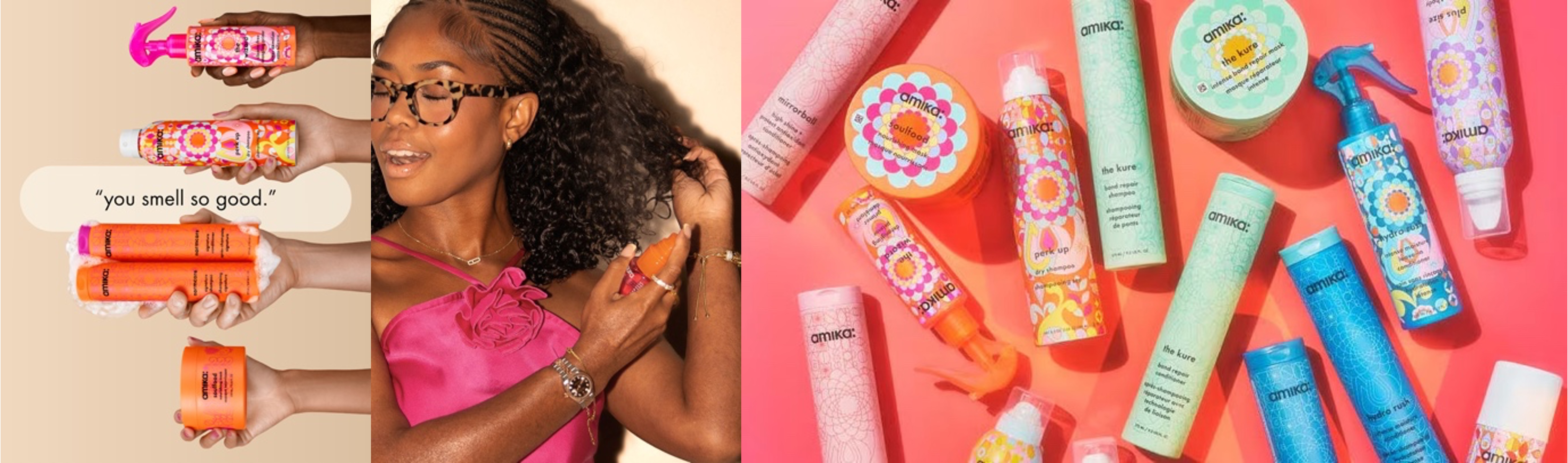
Amika’s Brand Power lies in creating haircare that’s fun to use as it is effective. From bold, playful packaging to luxurious textures and intoxicating scents, every product is designed to create a sensorial experience that delights the consumer. Yet at the same time, its high-performance, clinically-proven results and sustainable credentials – like its B Corp and cruelty-free certifications, community drives, and eco-friendly packaging, prove that responsibility and pleasure can co-exist seamlessly. As such, what continues to draw consumers isn’t just the green credentials, but the way Amika’s products feel luxurious, smell good, and deliver real results – creating an emotional and aesthetic experience that aligns with the ritualistic pleasure people expect from beauty.
Leadership Power: Trailblazing green beauty innovations
In green beauty, Leadership Power belongs to the brands who are willing to set the pace rather than wait for consensus. They champion biotech breakthroughs, pioneer next-gen materials, and deliver stronger sustainability commitments – even when they are more complex or costly, setting higher standards for transparency and ingredient integrity. These brands do not just make green products, they build new industry norms by pushing existing boundaries and proving how modern beauty should aspire to be: high-performing, climate-conscious, and led by purpose rather than being bound to limitations and compliance.
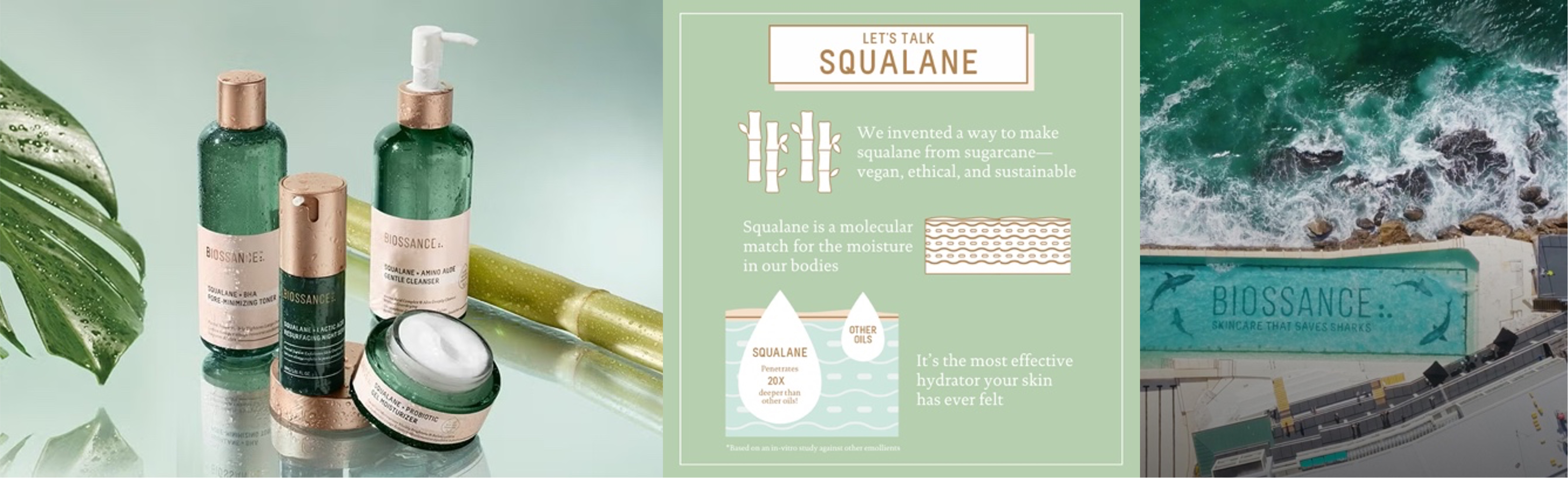
Biossance embodies Leadership Power through its biotech-driven reinvention of squalane – crafting a pure, sugarcane-derived alternative that eliminates the need for shark harvesting while delivering clinically-proven results. If anything, this sugarcane-derived version has also become an award-winning hero ingredient known for exceptional hydration and stability, proving that green can outperform conventional. Through high-profile collaborations with marine conservation organizations, the brand also actively advocates to end shark-sourced squalane in entirety. By merging biotech innovation with strong sustainable commitments and undeniable performance, Biossance sets a new benchmark for leadership in green beauty. It shapes the market through groundbreaking innovation, backed by a compelling reason to believe, and delivers a truth that can be consistently valorized through the customer journey.
In essence, what looks like a contradiction is, in reality, a call to elevate the entire category; the green beauty paradox exposes consumers deeper wants and desires versus their ethical alignment – and that pushes brands to do better on every front. Consumers should be able to choose good and do good, without having to sacrifice on the sensorial and emotional experience of beauty.
The brands that recognize these tensions not as a constraint, but a creative fuel to stretch, imagine, and innovate beyond limits are the ones setting the new pace in the industry. By driving efficacy, aestheticism, and experiential fronts on green products while ensuring cultural relevance and sustainable commitments, these brands show that desire and responsibility aren’t opposites but elements that can co-exist in harmony – and in that union lies the future of beauty.
Sources




To improve your experience, we use cookies to provide social media features, offer you content that targets your particular interests, and analyse the performance of our advertising campaigns. By clicking on “Accept” you consent to all cookies. You also have the option to click “Reject” to limit the use of certain types of cookies. Please be aware that rejecting cookies may affect your website browsing experience and limit the use of some personalised features.